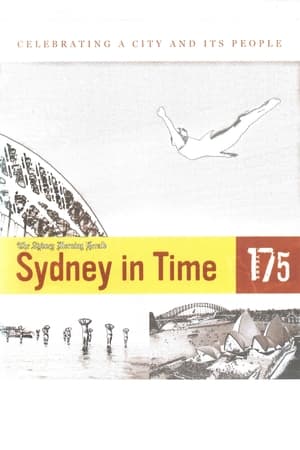
Sydney in Time is a rich and powerful story that charts the evolution of Sydney from its early years as a colonial outpost through to its emergence as a dynamic world city. The one-hour documentary looks back at the people, places and front page stories that have shaped a great city and helped define Australia.
Julie Peters is a legend in the trans community in Australia. She was the first person to transition at the ABC, at a time when there were no role models around her. From her early twenties, Julie started collecting anything trans or queer related to help her work out who she was. Over the years she’s collected one of the most comprehensive trans archives in the country. Including Interview with ABC MD David Anderson.
Jazmin Theodora, 83 is A Nimbin Local Legend and Tarot reader. Jazmin uses her physic abilities to get people in touch with who they are. Her story is about always being yourself. Own who you are and be proud of who you are, regardless of your age. A strong, passionate woman, Jazmin’s zest life shines through inspiring others to live their very best life.
This documentary explores one of the most extraordinary chapters in Australia's history - the attempts by successive Australian governments to fortress the nation with atomic weapons.
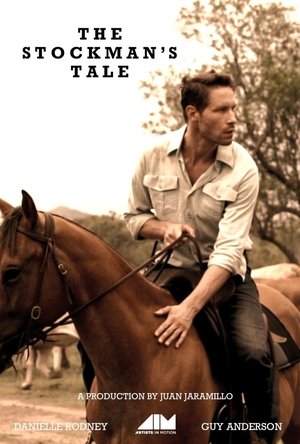
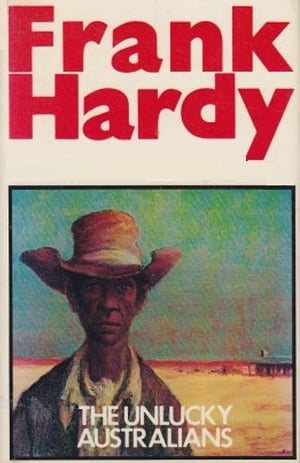
In 1966, Gurindji stockmen & their families walked off the largest cattle station in the NT. Frank Hardy follows the story of the strike as told by the Gurindji people.
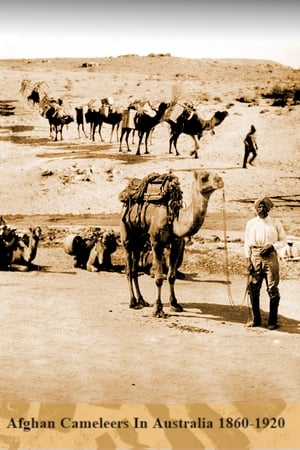
An exploration into the early history of Australian herding
A story of struggle and tragedy, the film features harrowing underground disasters, heroic rescues and traces a history of strikes, industrial turmoil and the current push by global mining giants to destroy regional communities and replace local mineworkers with a subservient itinerant workforce.
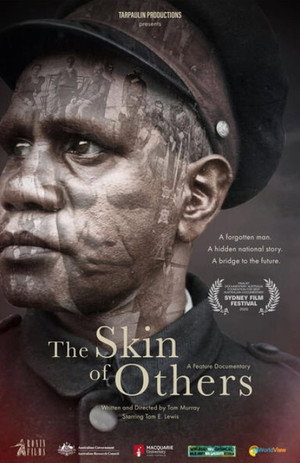
Douglas Grant (c. 1885–1951) was an Aboriginal man who became widely known in his own lifetime: an intellectual, a journalist, a soldier in the First World War, a reader of Shakespeare and a bagpipe player who could hold a convincing Scottish accent. His path ran from Australia to Britain and Europe and back, crossing those of Henry Lawson and Archduke Franz Ferdinand along the way. Balang Tom E. Lewis retraces that life in reflections by turns thoughtful and playful, and through it the longer history of colonial Australia and its relationship with First Nations people.
WINHANGANHA (Wiradjuri language: Remember, know, think) - is a lyrical journey of archival footage and sound, poetry and original composition. It is an examination of how archives and the legacies of collection affect First Nations people and wider Australia, told through the lens of acclaimed Wiradjuri artist, Jazz Money.
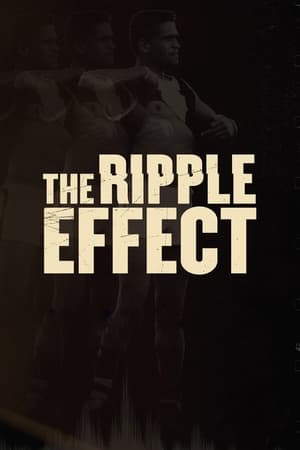
The Ripple Effect is a powerful documentary primarily centred around St Kilda legend and proud Noongar Nicky Winmar's generation-defining stand against racism at Victoria Park in 1993.
Packed with drama, high emotions and cliff-hanger moments, Australia Says Yes is the intimate and personal history of struggle and perseverance that propelled Australia to say Yes to marriage equality. The film shows how a group of determined individuals fought tirelessly against unjust laws that treated LGBTIQ people as second-class citizens, creating a movement that saw them go from criminals to legally equal over the course of five decades.
For both Aboriginal and non-Aboriginal Australians, Captain James Cook is a figure of great historical significance.
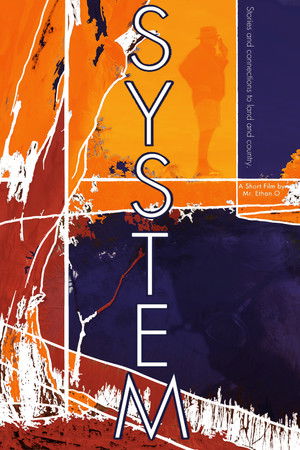
System (2025) is a short documentary film exploring intergenerational connections to land and country. Interviews with Aunty Denise Morgan Bulled, a Yorta Yorta Elder; John Toll and his family, fourth-generation farmers in Gunbower wetlands; and two Local 10 year olds, Harry and his friend Mac. The film reflects on how the river system shapes their daily lives, impacts their quality of life, and influences their passion for country.
The story of Fred Paterson, member for Bowen in the Queensland parliament in the 1940s and the only Communist Party member ever elected to any Australian parliament.
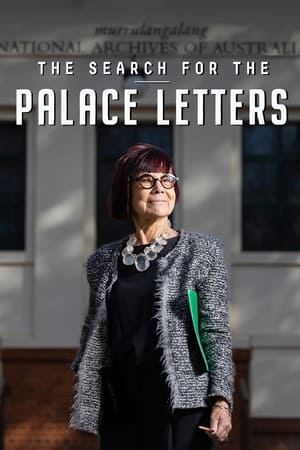
This remarkable documentary tells the story of Professor Jenny Hocking, the historian who took on the Australian Government and HM Queen Elizabeth II in a landmark legal battle - and won.
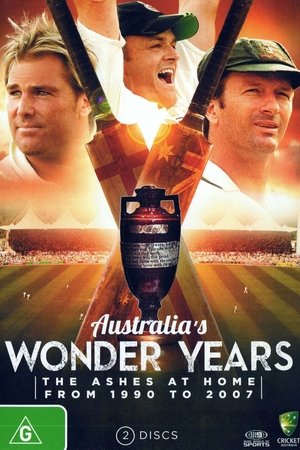
Over 5 red-hot summers between 1990 and 2007, Australia dominated the Ashes down under like never before: in 25 test matches, the rampant Aussies won 18 and lost just 3. It was an unforgettable era when all-time greats including Shane Warne, Glenn McGrath, Allan Border and Steve Waugh inflicted cricket misery upon the English. While Australia re-wrote the record books - showing the inventors of the game how to dominate it We relive unforgettable moments from this all-conquering age: Steve Waugh's career-saving last-ball century; Shane Warne's Ashes hat-trick, the first in over 90 years; Adelaide's amazing victory plucked from nowhere during the 5-nil whitewash of 2006/07. Aussie's lethal bowling artillery: while McGrath and Warne dined out on England's batsmen, Jason Gillespie, Stuart MacGill, Merv Hughes, Brett Lee and Bruce Reid delivered their own brand of merciless bowling attack. These were the wonder years when Australia made history - and England was history.
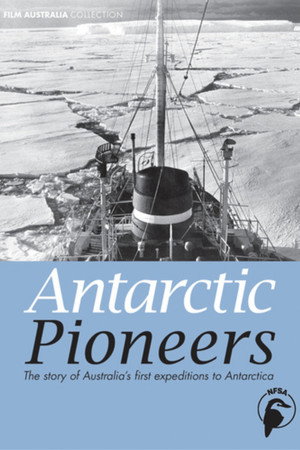
Presented by explorer Frank Hurley in his final film appearance, this documentary chronicles Australia's role in the scientific exploration of Antarctica and the hardships the pioneers endured. Using archival footage, this film spans from 1911, following Sir Douglas Mawson's first expedition, to Phillip Law establishing the continent's first permanent research station in 1954.
A poetic cine-essay about race and Australia’s colonised history and how it impacts into the present offering insights into how various individuals deal with the traumatic legacies of British colonialism and its race-based policies. The film’s consultative process, with ‘Respecting Cultures’ (Tasmanian Aboriginal Protocols), offers an evolving shift in Australian historical narratives from the frontier wars, to one of diverse peoples working through historical trauma in a process of decolonisation.
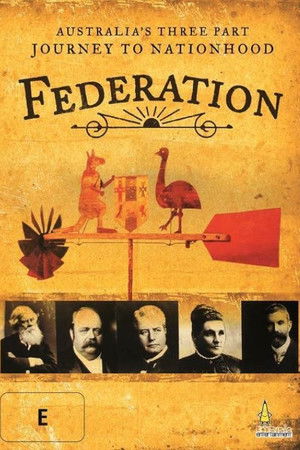
An epic tale about the making of Australia. This tells the stories of the founding fathers and of the people in six separate colonies in the decades leading to Federation. It's a tale of winners and losers, of great debates which unified the country, of the struggle not just to make an Australian nation, but to create Australian democracy.
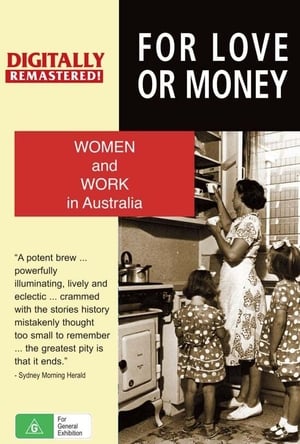
Using almost totally historical material, For Love or Money encompasses the role of Australian women in both paid and unpaid work, over a 200 year period.