L'autre mai, Nantes mai 68
An exploration into the early history of Australian herding
The UCS struggle is a campaign film supporting the fight to retain their jobs by the workers at Upper Clyde Shipyards who developed a new weapon for waging this fight – the occupation and the work-in. The film was screened at the time at meetings attended overall by 25,000 workers. It includes a speech by Jimmy Reid.
The winter of 1960-1961 witnessed the longest general strike Belgium had seen since the Second World War: up to two months of total paralysis of the country in protest against an austerity law. Across countless archives, a multitude of individuals from all walks of life recount the initiatives they led at the time. But, surprisingly, instead of gray-haired veteran strikers, it is young people who tell us about these bursts of struggle, as if they were there, as if they had been.
A story of struggle and tragedy, the film features harrowing underground disasters, heroic rescues and traces a history of strikes, industrial turmoil and the current push by global mining giants to destroy regional communities and replace local mineworkers with a subservient itinerant workforce.
What happens when subcontracted precarious workers turn into podcast DJ. Subcontracted precarious workers at the SK Broadband, Inc. began a podcast titled ‘Workers Have Changed!’ to broadcast the story about their strike for job security. The podcast studio becomes a theater of their life as they share their stories - daily hardshipsof subcontracted labor, coping with rude customers, and their futures and dreams.
In the estuaries and lagoons of the Northern Territory, freshwater and saltwater crocodile are hunted for their hides by both Indigenous and non-Indigenous hunters. This film shows Aboriginal people using age-old hunting techniques to land crocs either for food or for skins. The methods employed by the professional hunters, who earn as much as 3000 pounds during the season, are also depicted, followed by a brief look at how the hides are skinned and prepared before being transported to the leather factories of Sydney and Melbourne.
When workers at the Hormel meatpacking plant in Austin, Minnesota are asked to take a substantial pay cut in a highly profitable year, the local labor union decides to go on strike and fight for a wage they believe is fair. But as the work stoppage drags on and the strikers face losing everything, friends become enemies, families are divided and the very future of this typical mid American town is threatened.
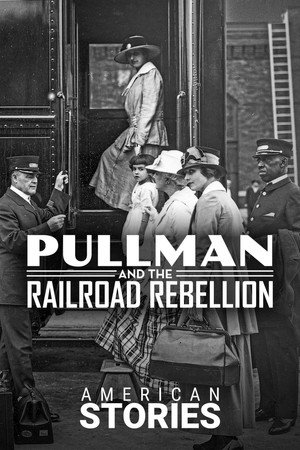
In 1864, the powerful industrialist and engineer George Pullman brought luxury to train travel with his revolutionary sleeping cars, where passengers were served by an army of former slaves who became known as Pullman Porters and Maids. Pullman established a company town for employees that gave him complete authority over every aspect of their lives. Audio-narrated descriptions are available.
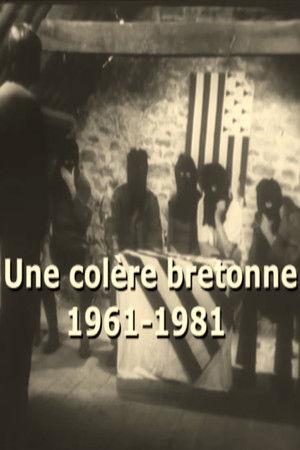
In the mid-1960s, Bretons took direct action against the French state. What were the origins and causes of this fervor, sung by Glenmor, the bard of this angry Brittany, from which young people had to emigrate to find a future?
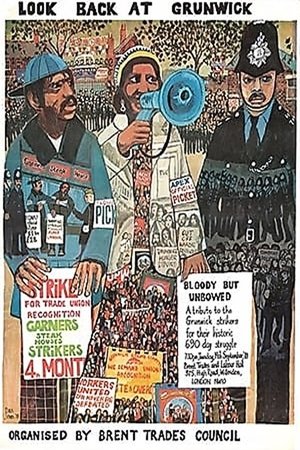
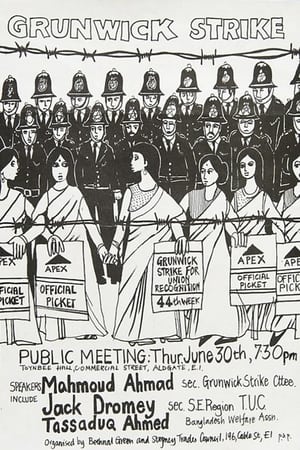
A RECORD OF THE STRIKE AT GRUNWICK IN 1977. The story of the continuing struggle at Grunwick’s by mainly Indian workers, from July 11th, 1977 until the struggle was lost. It shows the Special Patrol Group attack on the November 7th day of action, how the leadership of the struggle was taken out of the hands of the strike committee, how some of the strike leaders were disciplined by their own union for going on hunger strike outside the TUC in protest at the TUC’s inactivity, and how the post office workers were forced by their union to end their blacking of Grunwick mail. It also shows the beginnings of the similar struggle by immigrant workers at Garner’s Steak Houses in London.
'Stand together!', a film on the "mass day of solidarity" on 11 July 1977, was made in 1977 for the Grunwick Strike Committee by the Newsreel Collective, of which Chris Thomas was a member, and members of the Association of Cinematograph, Television and Allied Technicians (ACTT) and the Transport and General Workers' Union.
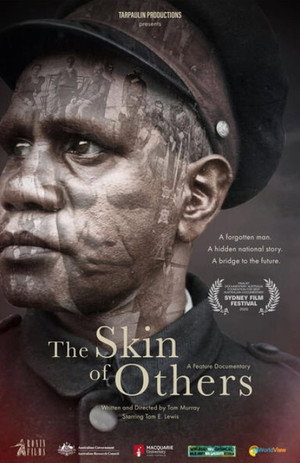
Douglas Grant (c. 1885–1951) was an Aboriginal man who became widely known in his own lifetime: an intellectual, a journalist, a soldier in the First World War, a reader of Shakespeare and a bagpipe player who could hold a convincing Scottish accent. His path ran from Australia to Britain and Europe and back, crossing those of Henry Lawson and Archduke Franz Ferdinand along the way. Balang Tom E. Lewis retraces that life in reflections by turns thoughtful and playful, and through it the longer history of colonial Australia and its relationship with First Nations people.
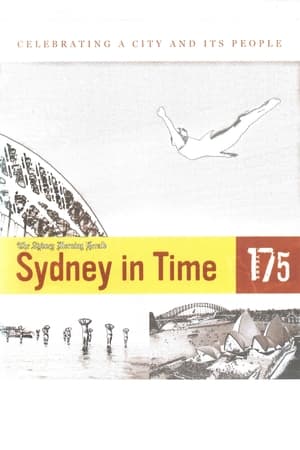
Sydney in Time is a rich and powerful story that charts the evolution of Sydney from its early years as a colonial outpost through to its emergence as a dynamic world city. The one-hour documentary looks back at the people, places and front page stories that have shaped a great city and helped define Australia.
A 1975 documentary short about a strike being conducted by public-housing residents in St. Louis.
Julie Peters is a legend in the trans community in Australia. She was the first person to transition at the ABC, at a time when there were no role models around her. From her early twenties, Julie started collecting anything trans or queer related to help her work out who she was. Over the years she’s collected one of the most comprehensive trans archives in the country. Including Interview with ABC MD David Anderson.
Jazmin Theodora, 83 is A Nimbin Local Legend and Tarot reader. Jazmin uses her physic abilities to get people in touch with who they are. Her story is about always being yourself. Own who you are and be proud of who you are, regardless of your age. A strong, passionate woman, Jazmin’s zest life shines through inspiring others to live their very best life.
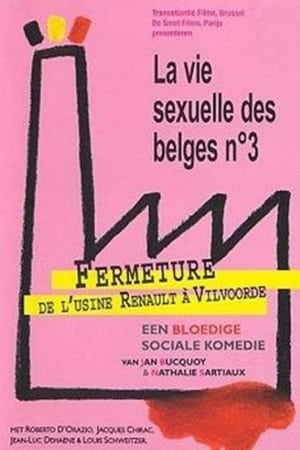
The Renault factory in Belgium must close down. Nobody can believe it. We follow the investigations by the director who is at the heart of the action and who interviews main politicians, the workers who violently protest and the direction. In the fiction part the president-director of Renault, Schweitzer is killed by one of the workers.
Ras-le-bol sous les ponts de Paris
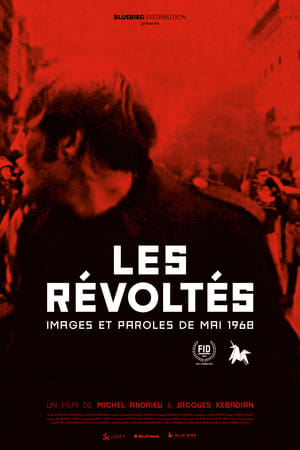
In May 1968, workers, students and young people rise up against the morality and power of the establishment. Faculties and factories are under occupation. Barricades are erected. Paving slabs are launched. Words give way to actions. This is the confrontation. These images bear witness to the men and women who, in their indignancy, march towards their revolution. 50 years ago, as part of our ARC collective, we filmed the uprising of May and June 1968. Out of this material and scenes borrowed from our other filmmaker friends, we created this film.