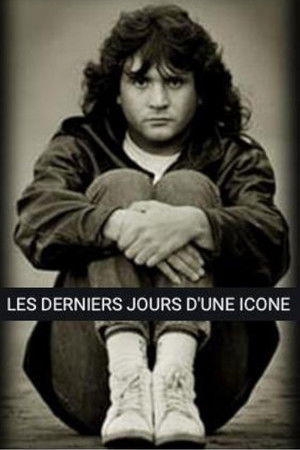
In 1986, during the Paris-Dakar rally, singer Daniel Balavoine, who was leading a humanitarian operation, was killed in a helicopter crash alongside Thierry Sabine. Nicolas Mathieu, his assistant, Léo Missir, his artistic director, HSH Albert of Monaco, and Charles Belvèze discuss the artist's career and his political and humanitarian commitments. Pierre Fauque and Anne Amado retrace the last moments of his life, from his arrival in Tamanrasset on January 6 to the day of his death in the desert, in the midst of a storm.
Seul au milieu des ours
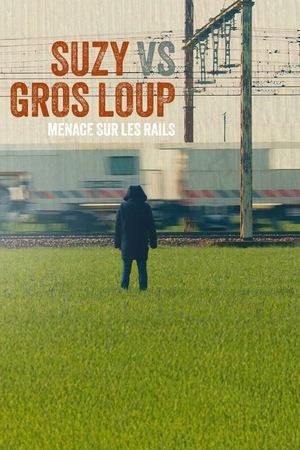
Suzy vs Gros Loup - Menace sur les rails
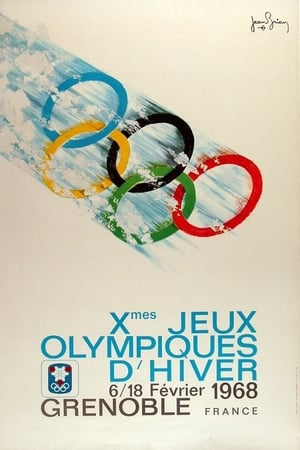
Film about the 10th Olympic Games in Grenoble in 1968. Using a subjective camera, Ertaud and Languepin take the pulse of the Games, cutting out the eyes and slowing down the movement when necessary. The dominant figure at the Grenoble Winter Games is Frenchman Jean-Claude Killy, whose three gold medals matched Toni Sailer's 1956 feat. The filmmakers bet on his winning streak, and include commentary from him as he prepares for each race. Another athlete, Marielle Goitschel, is treated insightfully on screen and wins the women's slalom. Ice dancing fans will appreciate the coverage of winner Oleg Protopopov and his partner Ludmila Belousova. President Charles De Gaulle was present for the spectacular Opening Ceremony.
La Ve, une constitution sur mesure ?
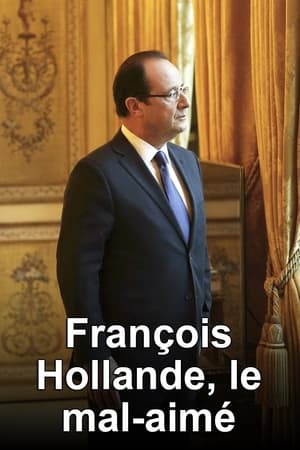
François Hollande, le mal-aimé
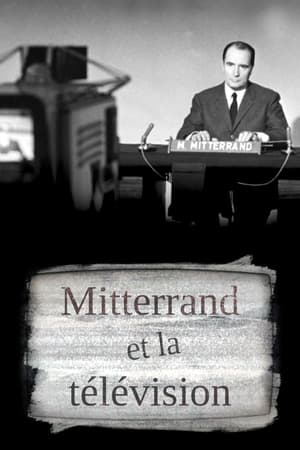
May 10th, 1981. François Mitterrand is elected President of the Republic. The “soviet tanks” supposedly coming upon the Champs-Élysées dressed in red, feared by some, did not march. Serge Moati takes a personal look at this episode, focusing on the relationship the president had with television, that he witnessed and played a role in.
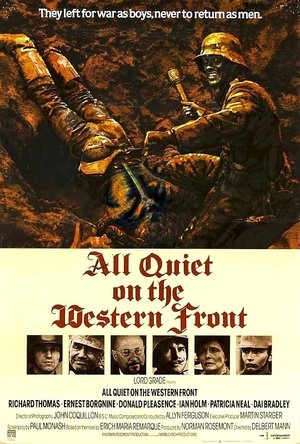
At the start of World War I, Paul Baumer is a young German patriot, eager to fight. Indoctrinated with propaganda at school, he and his friends eagerly sign up for the army soon after graduation. But when the horrors of war soon become too much to bear, and as his friends die or become gravely wounded, Paul questions the sanity of fighting over a few hundreds yards of war-torn countryside.
Home to the Mitterrand family since 1965, Latche was the former president's base for three decades. Family, friends, and world leaders gathered there for walks, hours of conversation, and some of the defining moments of the century. There, he was a different François Mitterrand, absorbed by the "spirit of the place," far from the trappings of the Republic. An intimate space, Latche was also a political territory open to the world, a powerful diplomatic asset serving the ambitions of its owner.
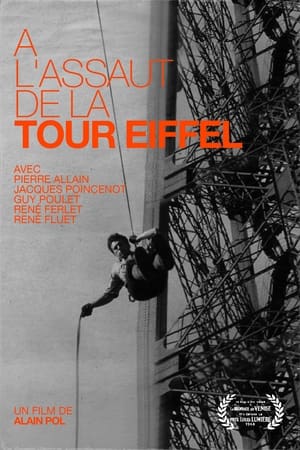
Four experienced mountaineers climb the three floors of the Eiffel Tower through the pillars of the building. A police officer, overwhelmed by the events, does not succeed in arresting the intrepid who reach the summit with agility under the stunned eyes of tourists. They then abseil and happily throw themselves into the Seine to celebrate the feat.
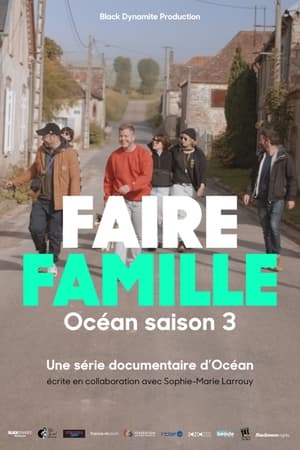
What's it like to "make a family" when you're not part of the traditional hetero couple? Can two best buddies living on the same floor become a family? Océan and his best friend Sophie-Marie Larrouy will question their friendship, their desire for children and their ability to commit to each other, going to meet people who have made families "differently" to draw inspiration from them and invent their own model.
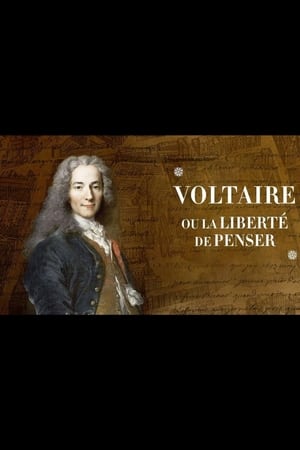
Voltaire ou la liberté de penser
La Garoupe, a beach in Antibes, in 1937. For one summer, the painter and photographer Man Ray films his friends Pablo Picasso, Dora Maar, Paul Eluard and his wife Nusch, as well as Lee Miller. During these few weeks, love, friendship, poetry, photography and painting are still mixed in the carefree and the creativity specific to the artistic movements of the interwar period.
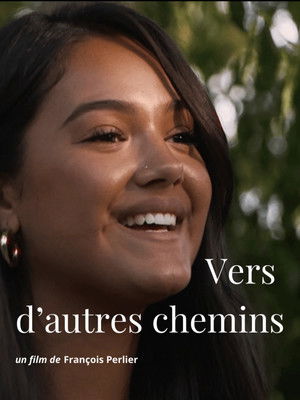
Milana, Sephora, and Mario are between seventeen and twenty-six years old. They grew up in modest, stigmatized rural Manouche families. Unlike their parents, they have degrees and work as employees. They have dreams to fulfill.
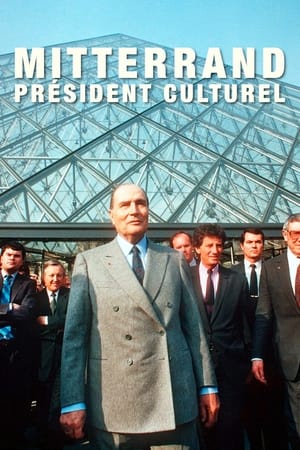
On the occasion of the fourty years anniversary of François Mitterand's election, a look back to the relationship between the President and artists, from admiration to manipulation.
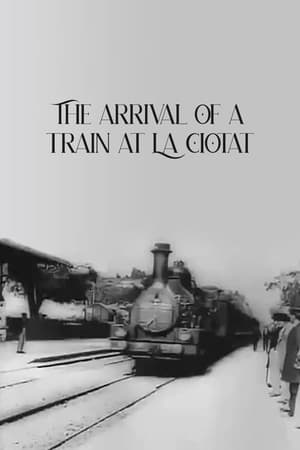
A group of people are standing along the platform of a railway station in La Ciotat, waiting for a train. One is seen coming, at some distance, and eventually stops at the platform. Doors of the railway-cars open and attendants help passengers off and on. Popular legend has it that, when this film was shown, the first-night audience fled the café in terror, fearing being run over by the "approaching" train. This legend has since been identified as promotional embellishment, though there is evidence to suggest that people were astounded at the capabilities of the Lumières' cinématographe.
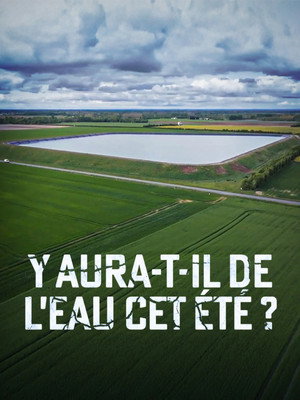
Through encounters with a hydrologist, a farmer, and citizens mobilized around the Marais Poitevin, the director helps us understand the effects—on biodiversity and the state of rivers—of substitution reservoirs, also known as megabassins. For several years, Anne-Morwenn, David, Patrick, Yann, and others have been fighting for fair water sharing and devising ways to convince as many people as possible that it is time to change the agricultural model.
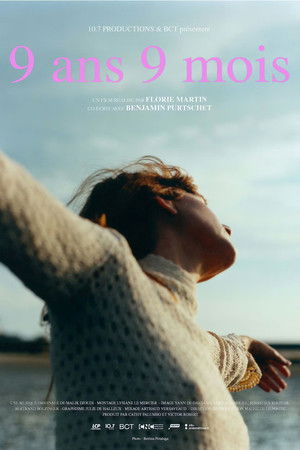
Nine years and nine months: that's how long it took Cécile Togni and her partner Benjamin to finally fulfill their dream of having a child. During all those years, she endured intense physical suffering, put up with medical abuse, fought against the ineffectiveness of misdiagnoses about her infertility, collapsed and got back up again and again in the face of repeated failures, without ever losing her determination.
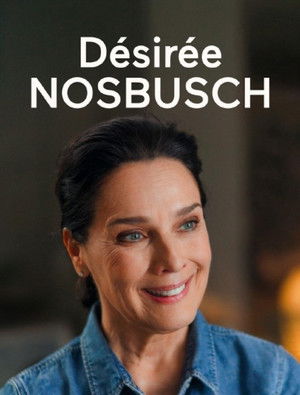
Luxembourgish presenter, director, producer, and actress Désirée Nosbusch, born in 1965, is a woman of many talents. After starting out in radio at the age of 12, she landed her first role on the big screen four years later, then presented the Eurovision Song Contest in five languages at the age of just 19. Over the years, she has hosted popular TV shows and starred in more than 30 films and TV dramas, establishing herself as a major figure in European cinema.
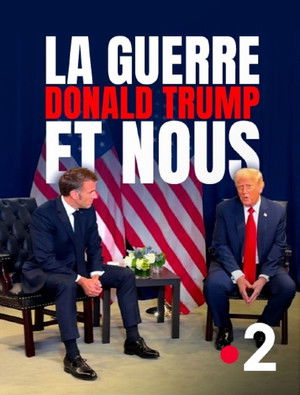
2025, the year of the intensification of a total and deadly war, which nothing and no one seems able to stop, targeting military personnel and civilians, and which has now claimed more than 1.5 million lives or left that many wounded on both sides. But 2025 is also the year of our break with Donald Trump's America, an America with violent and unpredictable reactions, which risks abandoning the old continent, its most loyal ally for 80 years, for Vladimir Putin. How can we stop this bloodshed on our doorstep? How can we contain the master of the Kremlin, a dictator whose predatory logic threatens to spread beyond Ukraine? Sabotage, ghost ships, interference operations, and drone flights: he is already waging a hybrid war against the rest of Europe. Is armed conflict between Europe and Russia now a possibility?