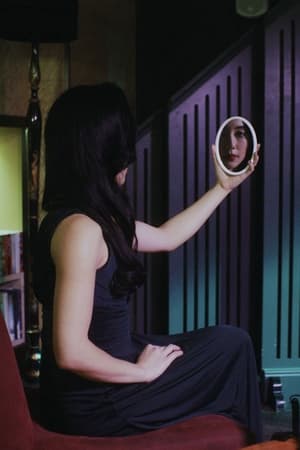
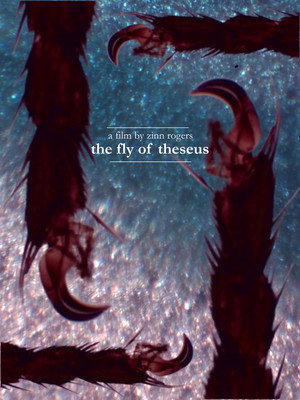
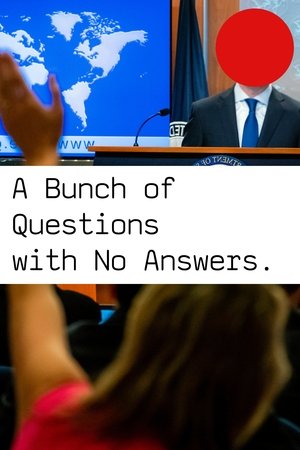
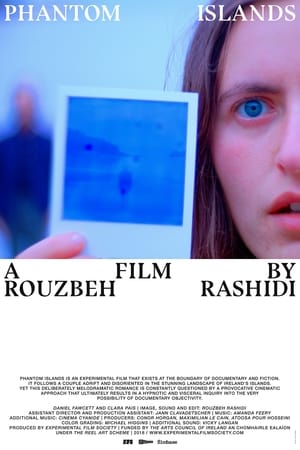
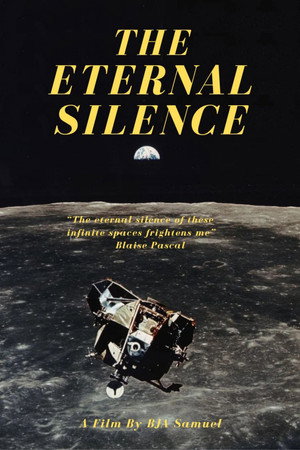
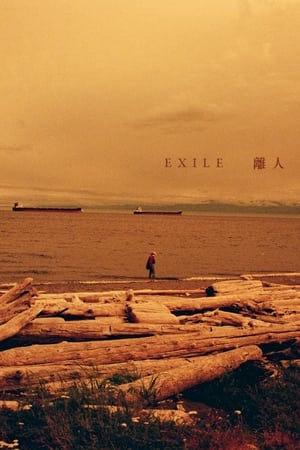
A sitting man listens to his thoughts, but can't catch any of them.
Landscapes revealed themselves through text, paper through movement, while the sun gave them relief. This is a journey across found words, enunciating a discovery, their textures constructing the sea and the waves, in a travelogue from the first exploration, the first step over the sand towards the shore. “Amor” writes this joy to underline it in its time, captured on paper. This film has been composed through a scanner, and it’s the first chapter of the “Reír al Sol” series.
"My first 16mm, Sightreading, was shot in August 2022 in Minneapolis and Chicago. It uses images from three sources: black mattes held in front of the sky near my parents’ house which were filmed and edited in-camera to a metronome; my friends drinking wine and discussing The Bachelor in their Chicago apartment; and details of a Breughel painting filmed from a television." -NC
A roll and a half made to delight in color and the presence of friends. Steps toward learning to read in the dark.
A short experimental film about the human race taking over nature.
Fifteen images of a camera running in a park and in obscurity searching the space of light through distorsion and the sensory of rapid motion.
“Persistencies of Sadness & Still Days”, is a four hour feature film by Maximilian Le Cain and Rouzbeh Rashidi. Structured in two sections or ‘takes’ of two hours each, this dream-like, experimental project offers two complementary explorations of cinematic form that skirt around possible narratives, ducking through a series of fluctuating audio-visual categories and intensities.
Shot in black and white, Invisible merges performance art and personal documentary to reflect personal and shared experiences during the military coup. Set in an abandoned building where many young revolutionists sought refuge, the seemingly invisible experiences of displacement, loss, suffering and anger are made visible through words and subtle movements.
In 1975, as America faced social and political upheaval, filmmakers turned chaos into art.
Human hands can be both destructive and healing, Jeffrie Po suggests in his experimental film with spiritual outreach. He portrays a human being as a faun who roams the jungle dauntlessly, yet is destructive. The forest with vanishing cattle becomes a battlefield between dark powers and the power of salvation.
An experience of a camera swinging in different gestures facing the optical distortion of the Sun. The last appearance of the smudge.
A film essay that intertwines the director's gaze with that of her late mother. Beyond exploring mourning and absence as exclusively painful experiences, the film pays tribute to her mother through memories embodied by places and objects that evidence the traces of her existence. The filmmaker asks herself: What does she owe her mother for who she is and how she films? To what extent does her film belong to her?
"Den Pobedy" (Victory Day) is counted among the most important celebrations for many former Soviet Republics. It is held on May 9 and commemorates the victory of the USSR over Nazi Germany in the Great Patriotic War (1941-1945). This day pays homage to the war veterans and to the over 26 million Soviets who lost their lives fighting this war. Kalinichenko Vasily Porfirievich fought in the Red Army on the 3rd Ukrainian Front and on the 1st Belarusian Front. As a member of the 226th Infantry Regiment he entered Berlin on April 22, 1945. This documentary explores the war, his life and his family story.
Through interspersed conversation and prose, this experimental documentary follows a poet and a neuroscientist as they explore the definition of love, what it means, and why it matters.
Twenty-four images of a camera running in the woods, a moonlight and a cemetery through improvised gestures, mechanical abstraction and saturated colors
After concluding the now-legendary public access TV series, The Pain Factory, Michael Nine embarked on a new and more subversive public access endeavor: a collaboration with Scott Arford called Fuck TV. Whereas The Pain Factory predominantly revolved around experimental music performances, Fuck TV was a comprehensive and experiential audio-visual presentation. Aired to a passive and unsuspecting audience on San Francisco’s public access channel from 1997 to 1998, each episode of Fuck TV was dedicated to a specific topic, combining video collage and cut-up techniques set to a harsh electronic soundtrack. The resultant overload of processed imagery and visceral sound was unlike anything presented on television before or since. EPISODES: Yule Bible, Cults, Riots, Animals, Executions, Static, Media, Haterella (edited version), Self Annihilation Live, Electricity.
Cartas de Arapuca
Twenty images of a camera running next to a chemical platform and capturing abstract light throught improvised gestures and asymmetrical motion
Stan Brakhage is a film maker whose work is shown mainly at film festivals. His work has been likened to poetry. Brakhage explains his techniques and his motivation.
Filmmaking icon Agnès Varda, the award-winning director regarded by many as the grandmother of the French new wave, turns the camera on herself with this unique autobiographical documentary. Composed of film excerpts and elaborate dramatic re-creations, Varda's self-portrait recounts the highs and lows of her professional career, the many friendships that affected her life and her longtime marriage to cinematic giant Jacques Demy.