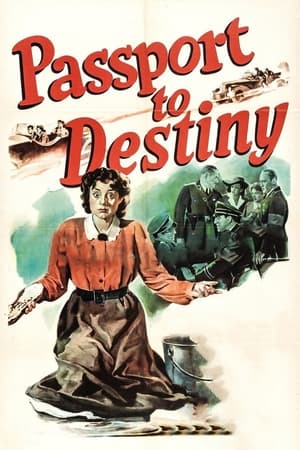
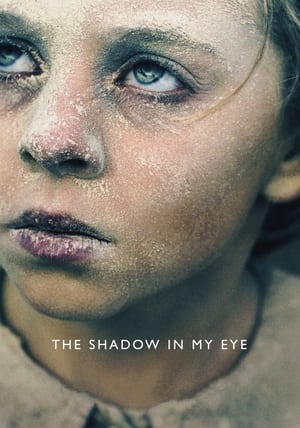
An English charwoman, believing herself protected by a magic eye amulet, travels to Nazi Germany to personally assassinate Adolf Hitler.
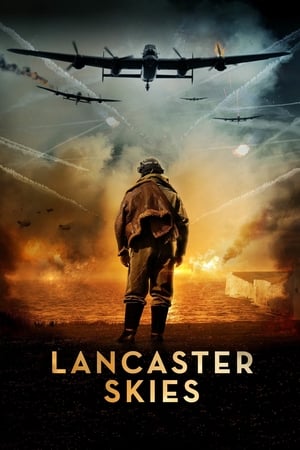
On March 21st, 1945, the British Royal Air Force set out on a mission to bomb Gestapo's headquarters in Copenhagen. The raid had fatal consequences as some of the bombers accidentally targeted a school and more than 120 people were killed, 86 of whom were children.
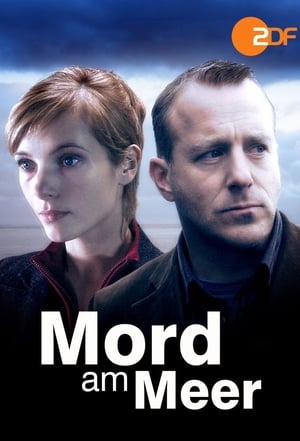
Hans Wolgast is executed with a shot in the head in the idyllic town of Husum to Mozart's Magic Flute. His half-brother, Inspector Anton Glauberg, immediately suspects that the shadows of the family past have caught up with him because Hans was a member of the RAF. Without initially disclosing that he not only knew the dead man but was even related to him, Glauberg begins to investigate, supported by the young, attractive but inexperienced BKA officer Paula Reinhardt. The traces lead to Berlin to the scattered remnants of the RAF and its still functioning cable groups. Wolgast lived there in a shared apartment before he, like so many former terrorists, fled to the GDR in the 1980s. A former roommate of Hans Veith Seewald points out the parallel to Glauberg to a murder case from 1978.
An epic meditation on psychoanalysis, the Baader-Meinhof, feminism, and pre-revolutionary Russia.
British Air Marshal Hardie is attending a party in Hong Kong when he hears of a dream, told by a pilot, in which Hardie's flight to Tokyo on a small Dakota propeller plane crashes on a Japanese beach. Hardie dismisses the dream as pure fantasy, but while he is flying to Tokyo the next day, circumstances start changing to align with the pilot's vivid vision, and it looks like the dream disaster may become a reality.
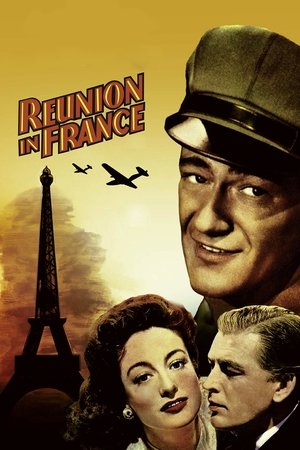
French woman Michele de la Becque, an opponent of the Nazis in German-occupied Paris, hides a downed American flyer, Pat Talbot, and attempts to get him safely out of the country.
An RAF squadron is brought down over occupied France. The flyers get to Paris in spite of the fact that the youngest, Baby, is injured. He must be hidden and his wounds cared for. The Gestapo has already issued orders for their arrest.
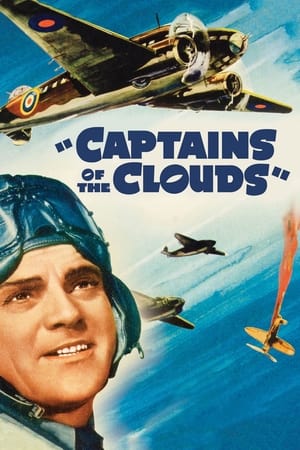
Inspired by Churchill's Dunkirk speech, brash, undisciplined Canadian bush pilot Brian MacLean and three friends enlist in the RCAF.
In 1915 France, Major Brand commands the 39th Squadron of the Royal Flying Corps. The young airmen go up in bullet-riddled "crates" and the casualty rate is appalling, but Brand can't make the "brass hats" at headquarters see reason. Insubordinate air ace Captain Courtney is another thorn in Brand's side...but finds the smile wiped from his face when he rises to command the squadron himself. Everyone keeps a stiff upper lip.
This early, influential propaganda film blends documentary and studio footage to show the valiant efforts of the Royal Air Force to defend the British people against the Nazis.
The pilots of a Royal Air Force squadron in World War I face not only physical but mental dangers in their struggle to survive while fighting the enemy.
An Irish doctor survived the atomic bomb attack on Nagasaki and was given a Samurai sword for the lives he saved. 70 years later his family searches for the origin of their father's sword.
A WWII flyer fails to join the RAF so he joins the Air - Sea Rescue instead. His boat is out in all conditions picking up downed pilots and taking them to safety.
Biography of Arthur Harris (aka "Bomber Harris") of RAF Bomber Command, during WW2 - in particular his strategy of heavy bomber "Millenium Raids" on German cities.
The Commanding Officer of an RAF Training School must deal with a difficult cadet, but the cadet reminds the C.O. of himself when young.
Andress, Watson and Johnson, pilots with a Royal Air Force squadron in France, are tasked with a deadly mission.
Endstation Bad Kleinen - Vom Versagen deutscher Sicherheitsorgane
This fact-based story follows a woman who launches a rescue of her Royal Air Force pilot son, who was shot down over Germany in 1941. Getting no help from the underground, she sets up her own rescue mission.
Schleyer - Eine deutsche Geschichte
Three part documentary of the history of the Royal Air Force during World War Two. They combine actual Air Ministry films and period newsreel footage with interviews of surviving members of the air force. The first part covers the period from the 'phoney war', the invasion of Poland and the early bombing raids on enemy shipping, through to the attacks on France. Aircraft featured include the Blenheim and Wellington bombers, the Sunderland flying boat, Spitfires and Hurricanes and the opposing ME109.