90 min
 6.7
6.7
 2026
2026
 United Kingdom
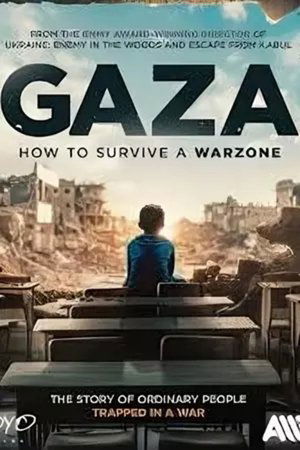
Since October 2023, Gaza has been sealed from the world-except for one group. International doctors breach the blockade, what they find is not just a humanitarian crisis, but a calculated dismantling of life itself.
Overview
Reviews
 CinemaSerf wrote:
Now I didn't love the start of this. It shows us video footage of a barrage of missiles being fired by Hamas into Israel during their Shimchat Torah holiday on October 7th, 2023 but nothing at all of the follow up to that attack that left almost 1200 people dead - including children and tourists. There are no images of crying Israeli children, or ambulances carrying the injured to hospital - nor are there any of the thousands of armed terrorists perpetrating these atrocities. At this point, I was expecting another one-sided and pro-Palestininan documentary that I'd seen a few times before. This isn't one of them. It follows a team of largely British clinicians as they do their level best to treat the victims of the ensuing war amidst flying shrapnel, masonry and shocking supply shortages. Initially, they appear more capable of obtaining some of what they need to perform these life and limb saving surgeries, but as the conflict intensifies it soon becomes very clear that the Israeli Defence Force is not targeting it's fire. Or is it? The more we hear from these physicians, the less the IDF's publicly stated goals stack up. Hospitals are quite literally reduced to rubble; babies are left in incubators to die of starvation; baby formula is a banned substance to import; people are admitted to what passes for their emergency facilities with wounds consistent with them being used as target practice for soldiers. Four similarly located men being shot in the genitals cannot be random. These actions aren't so much symbolic of genocide but more of ensuring that future generations simply don't happen. These doctors are a remarkably brave and dedicated mix of foreign and domestic professionals, but their video-diary contributions do not deliver politically charged language. They are much more focussed on the horrendous consequences of modern warfare. Of automated modern warfare, where those attacking sit behind consoles or in armoured vehicles firing indiscriminately into built up residential areas where any hope of specifying a military target within is impossible. Are/were there really command and control facilities under these structures? I mean, plausibly, it might make sense to tunnel beneath buildings that would be political hot-potatoes to assault. Well the policy of banning foreign (and independent) journalists from the territory to validate or dispute their assertions and the denials by Hamas, coupled with some truly harrowing footage and commentaries by these people without politically vested interests, leaves those of us watching in little doubt that there is a policy of eradication and wholesale destruction being implemented here that is reminiscent of Sarajevo and Rwanda. There's no narration, just contributions from an increasingly - and visually - upset, dwindling and concerned group of people who appear undeterred by the daunting prospect of working amidst this collapsing infrastructure and upon whom this work is certainly taking an emotional and psychological toll. The world is watching but unwilling to intervene. Films like this, though, will hopefully make it very, very, difficult for those pressing the buttons and firing the guns to defend themselves in the Hague in due course.