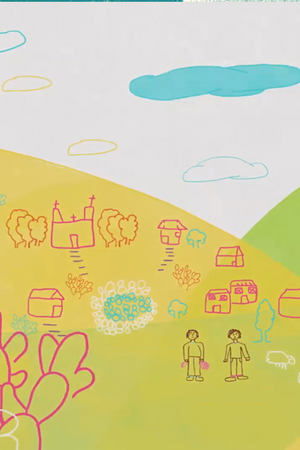
Picchu is a story that follows the journey of an Andean girl named Mayu and the unconditional support of her mother. The path will not be simple. Mayu will rely on her determination and her mother's teachings to overcome her fears and doubts to fulfill her destiny. Picchu reflects the reality of many children around the world.
After her parents' death, Kaley must move from the reserve to the city to live with her older sister. After an argument, Kaley runs away to return home. During her journey, she meets a superhero who tells her how to hone her own powers.
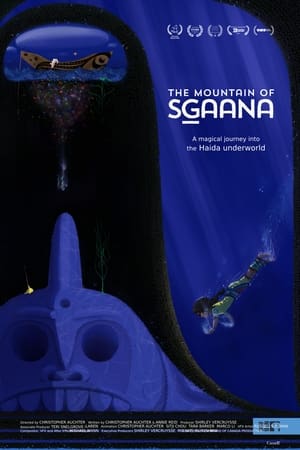
As a young fisherman cruises along a rugged shoreline, a tiny mouse in Haida regalia appears and starts to knit a blanket. A story unfolds on the blanket as it grows longer, illustrating the ancient tale of Haida master sea hunter Naa-Naa-Simgat and his beloved, Kuuga Kuns. When a SGaana (the Haida word for “killer whale”) captures the hunter and drags him down into a supernatural world, the courageous Kuuga Kuns sets off to save him. Will the lovers manage to escape the undersea Mountain of SGaana, or will they, too, become part of the Haida spirit world forever?
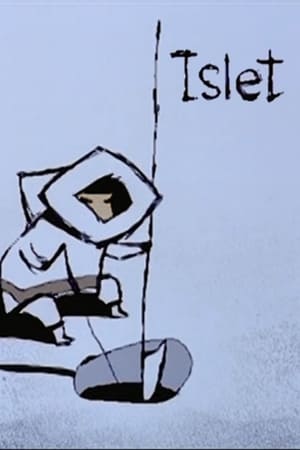
Combining figurative abstraction with magic realism, this animated short depicts a world in which whales fall out of the sky and fish turn into balloons. It is a black and white evocation of the real world, transformed by the director's special sense of whimsy. With bold lines reminiscent of the stark simplicity of Inuit art, this cautionary tale is a reminder of the interconnectedness of all things. We are all affected by the fate of the Arctic, which each year is disappearing a little farther into the ocean.
Rose the rabbit seeks her way home in this poetic story of reclamation, recovery, and reconciliation.
Rarámuri pie ligero
The Mapuche tribe asks their Gods for help in difficult situations, including illness and drought. When the Spanish conquerers on their horses invade their country, the indigenous people think that they are aliens. The Spaniards capture and enslave many of the Mapuche tribe. Lautaro, a young captured native, realizes that these aliens are human beings without any divine power. He learns to use their weapons and organizes a resistance movement against the intruders.
An unapologetic confrontation of cultural appropriation and everything that’s wrong with hipsters in headdresses. The takeaway? Just don't do it.
Inspired by a true discovery that occurred in 1991 (Alboyanco, Angol), the short film tells the story of a boy who, while playing hide-and-seek with his cousins, accidentally discovers a large ceramic vessel. This encounter will reveal important knowledge about his culture and, in particular, about the unique death rite at the El Vergel cultural complex.
Chinanteco. Jujmi La niña del Río
The Chuj tell the story of three brothers and the reason behind the origin of the largest salt mines in San Mateo.
Cucapá. El origen de los montes
Akateko. La aparición de san Miguel Arcángel
Chocholteco. La niña de la lanilla
Cora. La creación del mundo
His recent animation Kablunât: Legend of the Origin of the White People (2016) draws from a Nunatsiavummiut legend recorded by a Moravian missionary. Making use of archival photographs collected over nearly nine years, Gear reinterprets the legend for a contemporary Inuit audience, while framing the story as a reclamation from colonial retellings. “I wanted to literally insert myself in that narrative, break it apart and see what was there in a kind of dreamlike way,” he notes.
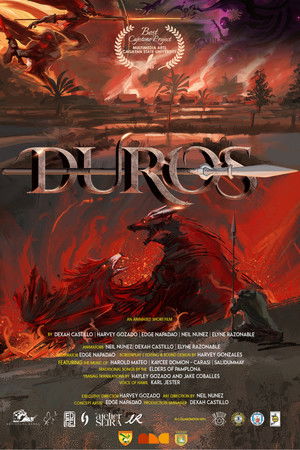
An epic action-fantasy drama rooted in the soul of Cagayan, Philippines. Hawil, a warrior consumed by guilt after killing his own brother, embarks on a harrowing journey in search of redemption. Along the way, he confronts ancient forces, painful truths, and monsters... both real and internal that threaten to break him. Hawil learns that healing comes not from forgetting the past, but in accountability, self-forgiveness, and transformation.
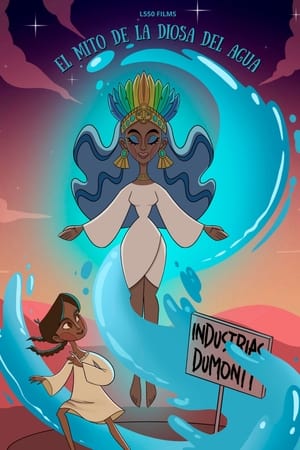
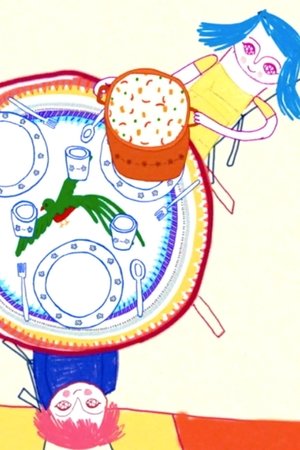
A little girl will have to sing to the mythical goddess of water so that this valuable liquid can reach her community.
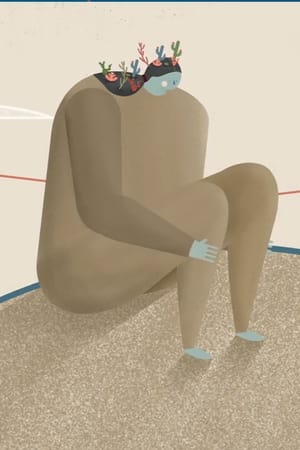
Taqralik Partridge asks what if every language that had been lost to English — every word, every syllable — grew up out of the ground in flowers? Taqralik’s grandmother’s Scottish Gaelic and her father’s Inuktitut unfold in memories of her family, of pain, and of love.
At Archer’s Aunty Gladys’ funeral, he hears a tap on the window — it’s a bear named Jesus, who has come for Archer’s mom. “A Bear Named Jesus” is an allegory for religious interference, with an aching yet humorous look at estrangement and mourning for the loss of someone still living.