About the poet C.A.Conrad, an eccentric Elvis worshiping poet and tarot card reader, who confronts his violent past and the suspicious death of his boyfriend, Earth. The film attempts to unravel the mystery of Earth's death, while Conrad wrestles with his inner demons through a series of unconventional rituals and a tour of the deep South.
Tove Ditlevsen – jeg har altid villet alting
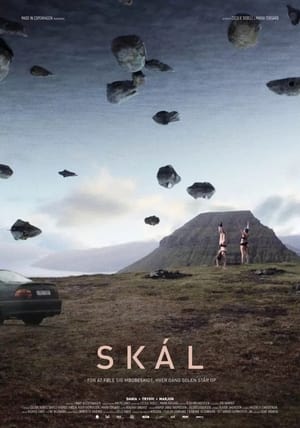
Dania is 21 years old and grew up in a Christian community in the Faroe Islands’ Bible belt. She has just moved to Tórshavn and is seeing Trygvi, a hip-hop artist and poet locally known as Silvurdrongur (Silver Kid). He comes from a secular family and writes poems and texts about the shadow sides of humanity. Dania herself sings in a Christian band but is fascinated by Trygvi’s courage to write brutally honest lyrics. As she tries to find her place in the world and understand herself, she starts to write more personal texts. Her writings develop into a collection of critical poems called ‘Skál’ (‘Cheers’), about the double life that she and other youths must live in the conservative Christian world.
This short documentary features poet N Rengarajan, a migrant worker from Pudukkottai, India who sustains a practice of poetry as a way of life while working in the construction sector in Singapore. The film, structured around three of his poems, seeks to visually mirror the rhythm and tone of his writing. Together, verse and visuals strive to draw attention to the poet's acute illuminations of the realities of migrant life.
After World War II a group of young writers, outsiders and friends who were disillusioned by the pursuit of the American dream met in New York City. Associated through mutual friendships, these cultural dissidents looked for new ways and means to express themselves. Soon their writings found an audience and the American media took notice, dubbing them the Beat Generation. Members of this group included writers Jack Kerouac, William Burroughs, Allen Ginsberg. a trinity that would ultimately influence the works of others during that era, including the "hippie" movement of the '60s. In this 55-minute video narrated by Allen Ginsberg, members of the Beat Generation (including the aforementioned Burroughs, Anne Waldman, Peter Orlovsky, Amiri Baraka, Diane Di Prima, and Timothy Leary) are reunited at Naropa University in Boulder, CO during the late 1970's to share their works and influence a new generation of young American bohemians.
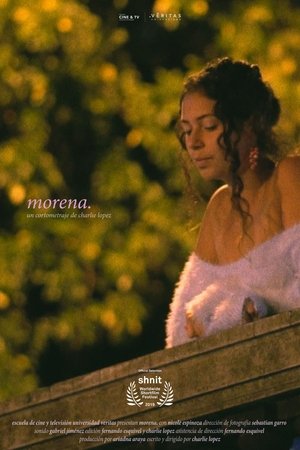
Morena
Follows the young people of Selma, Alabama's RATCo (Random Acts of Theatre Company) as they journey to New York City to share their story of hope, resilience, and overcoming.
Um Dia Eu Fui Zeus
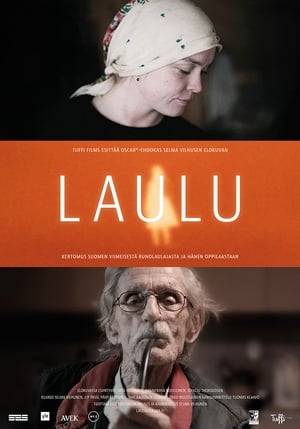
Song is a story of the last Finnish rune singer and his pupil, and the comforting power of singing.
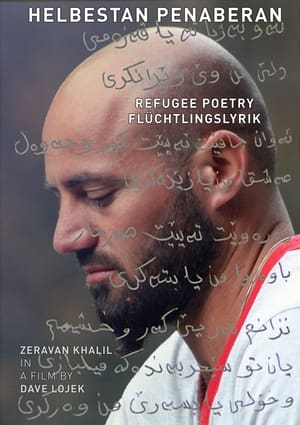
The Kurdish Iraqi poet and actor Zeravan Khalil travels with his dog through an Alpine gorge after fleeing from IS war and genocide. As he remembers the abomination, he writes a poem with the title “You drive me mad” in Kurmanji Kurdish. In his home country, Yazidic Kurds are forbidden to work in his profession. Then he eats his apple and wanders through Europe’s middle with more hope.
Rubén tries to describe the color blue as "The color of dreams, of art, of the ocean and of the firmament", thereby unleashing half a century of poetry.
Lesley, in her 80s, and teenager Jay deliver spoken word poetry expressing their sense of belonging, home, and their vision for the future of the area where they live. One in a series of short films made in collaboration with residents of Ebbsfleet and its surrounding areas.
Since 1985, poets, songwriters and musicians have gathered at the Cowboy Poetry Gathering in Nevada.
Cacaso, a Brazilian poet, lived in Rio de Janeiro. Born Antonio Carlos de Brito (1944-1987) he was one of the leaders of the marginal poetry movement. Cacaso filled notebooks not only with poems but reflections, drawings and collages. He also became a lyricist and partner of celebrated songwriters such as Tom Jobim, Edu Lobo, Toninho Horta, João Donato and Sivuca.
Once described by the press as "one of the most controversial figures on the Australian art scene", avant-garde poet and playwright Christopher Barnett achieved a level of notoriety in the Melbourne underground theatre scene during the ‘70s and ‘80s, before self-exiling to France. He remains there today, running an experimental theatre lab working with the marginalised and underprivileged, applauded by the establishment (including former French Prime Minister Jean-Marc Ayrault) and faithful to his belief that art can change the world. These Heathen Dreams is an intimate portrait of Barnett's life and revolutionary philosophy. Combining archival footage dating back to the ‘60s with contemporary observational documentation and text from Barnett's writings, it is a poignant and inspiring study of the power of both art and political activism.
Ján Smrek menej známy
Denim' is a poetic short film by writer, poet and performer Siana Bangura, exploring gentrification and social cleansing in South East London. Through a personal trip down memory lane, visiting the places that moulded her, we learn what happens when the city changes and leaves those who built it behind. Travelling through Bermondsey, Rotherhithe, Elephant & Castle, Walworth Road, Peckham, Brixton and of course Shoreditch, 'Denim' is both a personal tale and a wider social commentary.
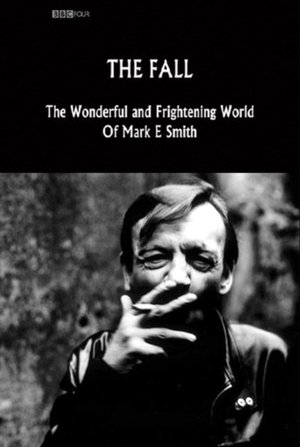
A 1-hour Documentary looking at the Manchester post-punk group and its infamous leader Mark E Smith. The Film follows the current band recording their final Session for the John Peel Show (they were his favourite group and recorded more sessions than any other band) as well as chronicling the chaotic history of the band & its numerous line-up changes.
Isla Negra: Neruda y el mar
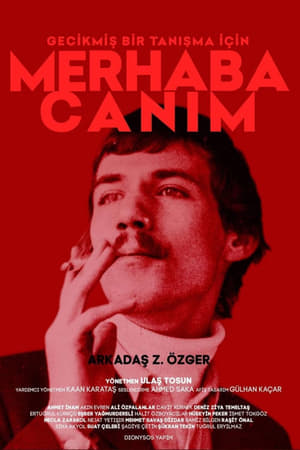
The documentary is titled after Arkadaş Z. Özger’s poem “Hello My Dear” which had caused much controversy in the period it was first published. Considered to be in defiance of heteronormativity, the said poem includes references to the poet’s personality, his family, his relationship to the society, and his “unexpected” death, which came three years after its publication. Today, 50 years after it was written, the documentary follows these same lines in the poem utilising cinematic elements. The documentary also rediscovers the poetics; reaches out to the family, the comrades, the friendships, departing from the official historical accounts, cognizant of his experience of otherness, in pursuit of the “lost” portrait of Arkadaş Z. Özger.