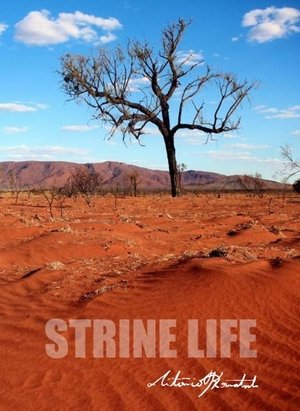
A 19-year-old high school graduate travels through Australia as a backpacker and accompanies his adventure with a camera.
Some 240,000 women over 55 are at risk of homelessness In Australia – a figure both surprising (owing to this demographic being less likely to speak up about their difficulties) and shocking, given this country’s wealth. Under Cover introduces us to 10 of these people, including a survivor of domestic violence, a former advertising executive, a self-confessed loner and a displaced immigrant, for whom security and shelter are constant unknowns and who, until now, have suffered in silence.
The untold true story: The rise and fall of the greatest funk band ever, Parliament Funkadelic.
A panorama of scenic beauty unfolds as the newspaper delivery man works his run along Sydney's northern beaches of Newport and the Palm Beach area.
Something in the Water explores the rock phenomenon that is music in WA. How can the most isolated city in the world have exploded with so many successful bands over the years? Across decades and genres, Something in the Water asks "what is responsible for the sparkling talent pool?"
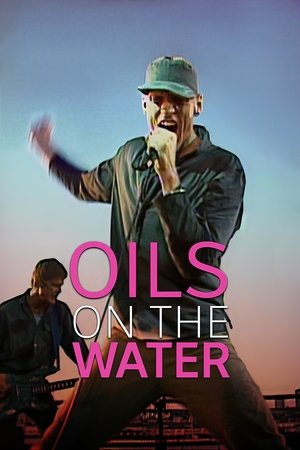
On January 13th 1985, Midnight Oil performed the Oils on the Water concert on Goat Island, Sydney, to celebrate radio Triple-J's tenth birthday, before a select crowd of 400 (half competition winners and half staff, media and friends, though other fans swam across). The concert was simulcast live on ABC TV and Triple J radio, released on video, then later remastered as part of the 2004 Best of Both Worlds DVD set. Oils on the Water was a classic Midnight Oil performance and setting with the band in fine high-energy form, caught in the light of the setting sun, against the backdrop of the Sydney Harbour Bridge.
Australia: Land Beyond Time takes viewers on a breathtaking journey back in time to witness the birth and evolution of a mysterious land that harbors remnants of Earth's earliest life and many of it's strangest creatures that exist nowhere else on the planet.
The early 70s is a golden epoch of our popular music. Hundreds of songs of exquisite beauty. Groundbreaking sound. Futuristic suits. How and whence could all of this emerge in a Soviet socialist republic? How did a brand new music scene, original in sound and philosophy in every way, and at the same time absolutely in sync with global music trends come forth? They weren't that fond of the Soviet label «VIA». And since neither of us is fond of this acronym, let us rechristen this music.
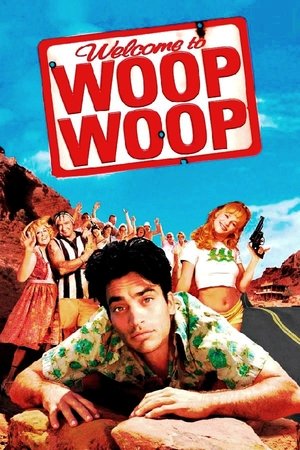
A con artist escapes a deal gone wrong in New York and winds up in the Aussie outback in a strange town whose inhabitants are an oddball collection of misfits.
Like an antipodean version of Romeo and Juliet, it emerges that Warri and Yatungka became the last nomads because they had married outside their tribal laws and eloped to the most inaccessible of regions. In 1977 the land was stricken by a severe drought and their tribal elders mounted a search for them with the help of a party of white men led by Dr Bill Peasley and one of their own number, a childhood friend named Mudjon. The film takes Dr Peasley back into the desert to relive his momentous journey with Mudjon and culminates with poignant archival footage of the elderly couple found naked and starving.
After a near-death experience, five boys, all devoted AC/DC fans, make a pact to bury their best friend next to the grave of Bon Scott. Twelve years later, having gone their different ways, they come together to fulfill the promise.
No Mercy, No Remorse takes viewers back to the winter of 1993, with a journey into the deeply disturbing world of Paul Charles Denyer, the then 21-year old who is currently serving three life sentences for the Frankston murders.
Originally broadcast on ABC's True Stories in 1993, Feed Them to the Cannibals tells the story of Sydney's Gay and Lesbian Mardi Gras. It was the first time cameras were allowed at Sleaze Ball and the Mardi Gras Party.
The stranger-than-fiction true story of George Lazenby, a poor Australian car mechanic who, through an unbelievable set of circumstances, landed the role of James Bond despite having never acted a day in his life.
A year in the life of troubled Australian graffiti artist Justin Hughes.
The PhanDom Menace presents the definitive look at the most devoted fans on the planet. Follow the lives of Australia's most passionate Star Wars fans as the moment they've waited 16 years for is suddenly upon them. See the amazing costumes, trivia soaked brains, vast collections and unconditional dedication that make these fans a breed apart. Be stunned by the shockwaves that echo through the Star Wars fan community at the dawn of its new prequel era.
Australian-made film with Steven Spielberg, Stan Deyo, Stanton Friedman, Dr. Alan Hynek, Jacques Vallee, Ken Arnold, Betty Hill and Ray Palmer (publisher of the Shaver Mystery). This rare TV documentary gave birth to The Cosmic Conspiracy and contains clips of the first episode of Star Wars and Jaws.
Imagine a world of incredible color and beauty. Of crabs wearing jellyfish for hats. Of fish disguised as frogs, stones and shag carpets. Of a kaleidoscope of life dancing and weaving, floating and darting in an underwater wonderland. Now, go explore it! Howard Hall and his filmmaking team, who brought you Deep Sea and Into the Deep, take you into tropical waters alive with adventure: the Great Barrier Reef and other South Pacific realms. Narrated by Jim Carrey and featuring astonishing camerawork, this amazing film brings you face to fin with Nature's marvels, from the terrible grandeur (and terrible teeth) of a Great White to the comic antics of a lovestruck cuttlefish. Excitement and fun run deep Under the Sea!
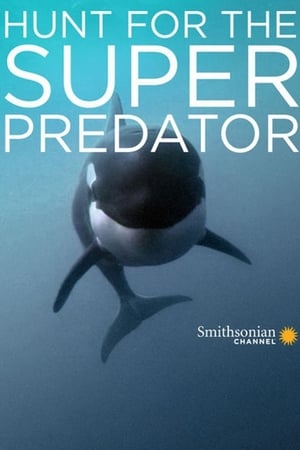
There's a mysterious predator lurking in the depths of Australia's wild Southern Ocean, a beast that savagely devoured a great white shark in front of cinematographer David Riggs 11 years ago. Riggs's obsession to find the killer leads him to an aquatic battle zone that's remained hidden until now. Here, killer whales, colossal squid and great white sharks face off in an underwater coliseum where only the fiercest creatures of the marine world survive.
In the early ‘70s, founding member of Australian surf magazine Tracks, Albert Falzon, began filming off the North Coast of New South Wales, Hawaii, and Indonesia. He set out to make a film “that was a reflection of the spirit of surfing at the time” and the end result, Morning of the Earth, proved its worth as a vital document of surf culture and a powerful nature film.