On the trail of nomadic peoples and the ancient Silk Roads, Thomas Delfino, accompanied by Léa Klaue and Aurélien Lardy, embark on an expedition to reach one of the most remote places on the continent. The Kokshaal-Too range is located in the Tian Shan mountain range, on the border of Kyrgyzstan and China, and harbors unexplored mountains and faces. This skilled team, accompanied by renowned guides Hélias Millerioux and Jean-Yves Fredriksen, finds themselves propelled into a space where time seems to have suddenly come to a halt.
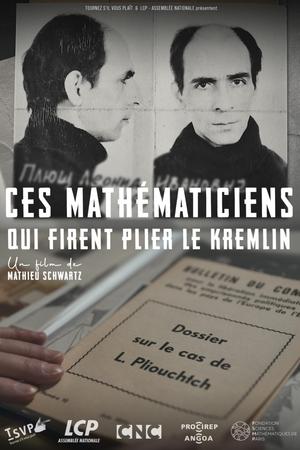
On January 15, 1972, Leonid Pliouchtch, a Ukrainian mathematician who was unknown at the time, was locked up in a Soviet psychiatric institution and accused of dissidence. His wife, Tatiana, fought for his defense and contacted a committee of French mathematicians to help him. Led by Laurent Schwartz, they launched a three-year campaign to secure his release and succeeded in getting the USSR to back down on the issue.
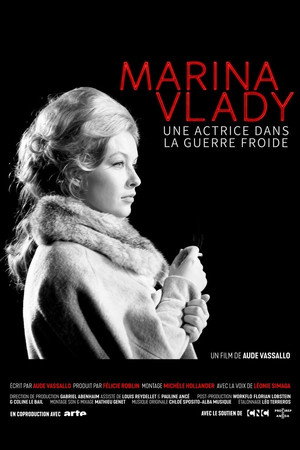
With stars of the screen, it is often only the Edgar Morin-like myth that remains; but viewed close up, an actress’s lifetime has more to do with destiny, and in Marina Vlady’s case, that destiny is unclassifiable, with over eighty classic films and more that were never released. It is across France, Italy, and chiefly Russia that this documentary, chock-full of rare archive material, takes us as it traces the journey of a free woman, making this not simply a documentary but a political film.
Between 1944 and 1953, 170,000 Estonians, Latvians, and Lithuanians put up fierce resistance to the Soviet invasion, hiding deep in the vast Baltic forests. Driven by a dream of freedom, they defied a ruthless empire with few resources but unwavering determination. Through previously unseen archives and the poignant accounts of the last survivors, this documentary reveals their clandestine struggle, their heroic sacrifices, and their legacy, timeless symbols of a desperate fight to escape the Soviet stranglehold and preserve the flame of independence.
A critical look at the human-nature relationship in the tundra.
The film story follows the international group of researchers who are performing the scientific expedition in a remote high altitude Kyrgyz village named Sary Mogol.
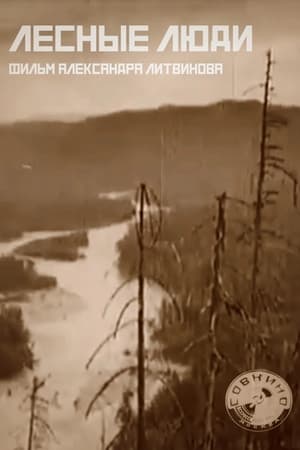
The story of the Udege tribe, lost for centuries and on the verge of extinction, the most dangerous footage of hunting for bears and wild boars, as well as local rituals.
A documentary charting the rigors of the Russian space program, where the symbol of national pride would justify the most demanding training conditions.
One of the highest achievements of the new wave of Kirghiz cinema, which emerged in the mid-1960s. This story of a boy building sandcastles on the shores of the Issyk-Kul Lake becomes a documentary parable on the tensions between an artist and society.
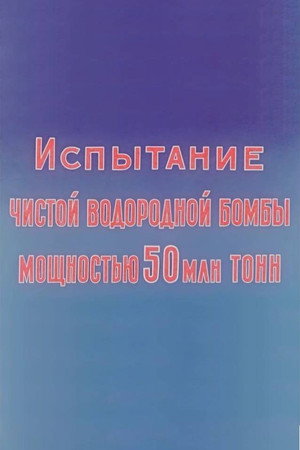
Documentary movie about testing of the largest nuclear weapon in history, the Tsar Bomba. Declassified and made available to the public in 2020.
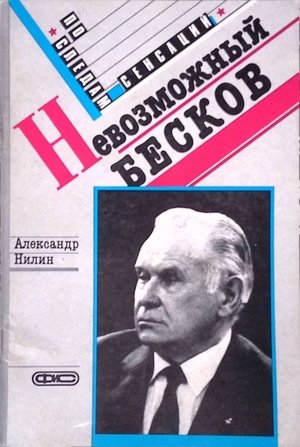
About the coach of the Moscow football team Spartak, Konstantin Ivanovich Beskov. The film shows the difficult path of the Spartak team to the title of the 1987 USSR Football Championship.
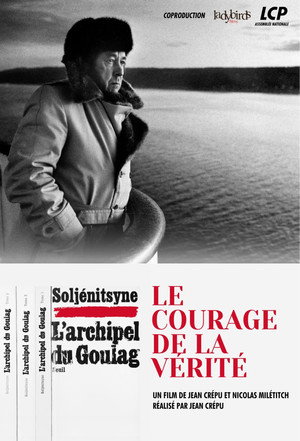
L'Archipel du goulag, le courage de la vérité
A documentary film about the Karelo-Finnish SSR.
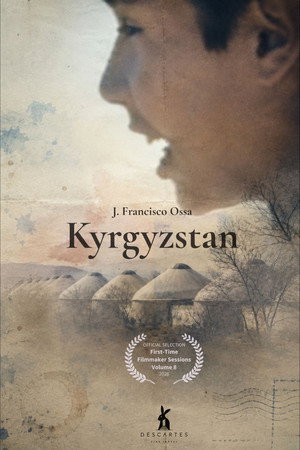
An audiovisual letter that connects an imagined Kyrgyzstan with the filmmaker’s inner world, blending personal illness, memory, and political echoes into a poetic reflection on distance and belonging.
Between 1930 and 1945, Eastern Europe experienced mass violence on an unprecedented scale. Hitler and Stalin exploited the vast region for their respective expansionist plans. It is estimated that around 14 million civilians were murdered—primarily Jews, Poles, Balts, Belarusians, and Ukrainians.
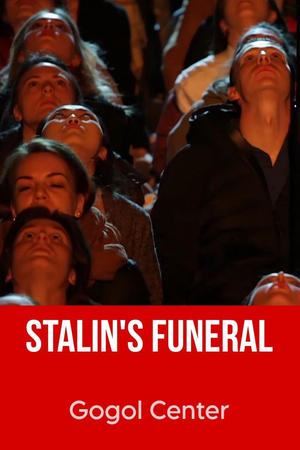
On the same day that Stalin was buried, Sergei Prokofiev's funeral took place completely unnoticed. And if the farewell to the composer quietly went against the backdrop of the farewell to the dictator that swept the whole country, then in the play everything is the opposite - Prokofiev's music is in the center, and it is interrupted by the stories of those people who would probably ignore Stalin's funeral and went to say goodbye to the great composer.
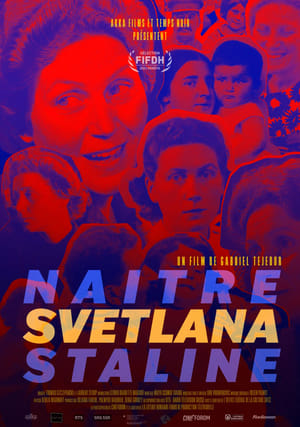
In 1967, in the middle of the Cold War, Joseph Stalin's only daughter goes to the American embassy in New Delhi and asks for asylum. Svetlana leaves behind her country and her two children. Hunted by the press, the KGB, and many admirers, the woman, nicknamed the Kremlin princess, will never cease to flee. From the summit of the Soviet empire to the solitude and poverty of her last years in a Wisconsin home, Gabriel Tejedor traces the destiny of a resolutely free woman, at the very heart of the century and its geopolitical challenges.
In 1976 with the Cold War raging, the Philadelphia Flyers took to the ice to play the unbeaten Russian Red Army team. What happened that day went down in sports history.
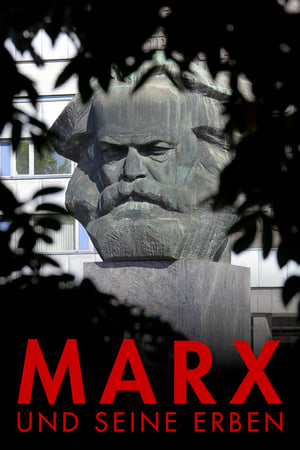
Over the past hundred years, dramatic social upheavals have taken place in the name of Karl Marx's theories. In Western Europe, the student movement of 1968 and the Eurocommunists were inspired. And in recent times, the thinker has experienced a renaissance.
L'échec du rideau de fer ?