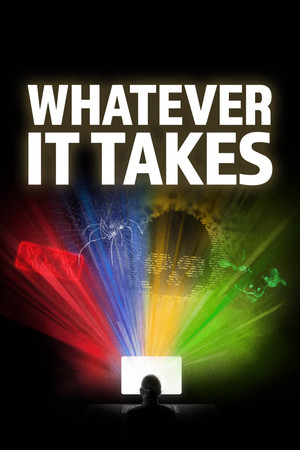
In the summer of 2019, a middle-aged couple are subjected to cyberstalking threats and bizarre deliveries including a bloody pig mask and funeral wreath. As the harassment intensifies, the police and FBI close in on a Silicon Valley giant and some very unlikely suspects. "Whatever It Takes" tells the extraordinary story of eBay, a Fortune 500 company founded on the principle that "people are basically good”, and how members of their security team ended up in federal prison after trying to protect the CEO from a corporate raider.
Life is about choice. What we eat, what we read, who we elect; every day we make choices that determine how we want to live. But what if these choices are just an illusion? In an era where regulations and red tape rule every industry, where lobby groups and big businesses wield more influence than ever before, our daily choices have become increasingly limited. And with all our options so deliberately handpicked, are we really making a choice at all? Freedom From Choice examines the current state of life and personal choice today. Experts from many different fields offer a frank and startling look at the hidden limitations in our daily lives. Focusing on key areas such as food, medicine, finance, and media, Freedom From Choice provides viewers with a glimpse at the myriad of ways their lives are being dictated and tells us who stands to gain.
La Salsa Vive is a vibrant cinematic exploration of Afro-Cuban music's history, tracing its roots from New York's lively streets to Cali, Colombia, now the global salsa capital.
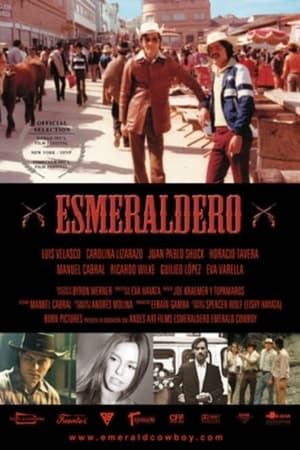
The true story of the rise of a Japanese businessman from Los Angeles named Eishy Hayata from an Airline engineer into the legend of the Emerald world -- the Emerald Cowboy
Shows the colonization process in the nature reserves of La Serranía de la Macarena and Bajo Caguán in Caquetá. The settlers and a FARC leader describe the causes of the burning of the forests and the role of the guerrillas in areas where there is no state presence.
Lengua de diamante submerges into the past, present, and future life of Elsa Riveros, Colombia’s First Lady of Rock. Long after her iconic career as a fierce 80s rock singer, Elsa now seeks to reinvent herself as a political painter in northern Virginia, where she raises her son.
Warime is a traditional ceremony that serves as a way for the community to connect with the spiritual world and seek guidance from their ancestors. During the ritual, participants gather around a sacred fire and perform dances, songs, and chants to invoke the spirits. Offerings such as food, drinks, and tobacco are presented to the spirits as a sign of respect and gratitude. Through Warime, the Wojtüja people believe they can communicate with their ancestors and receive blessings and protection for the community. It is a deeply spiritual and meaningful ceremony that highlights the strong connection between the Wojtüja people and the natural world. Join us as we witness the beauty and significance of Warime and gain a deeper understanding of the rich cultural traditions of the indigenous peoples of the Venezuelan Amazon.
Documentary about the last 10 speakers of the Mopwoi language, in the Venezuelan Amazon forest.
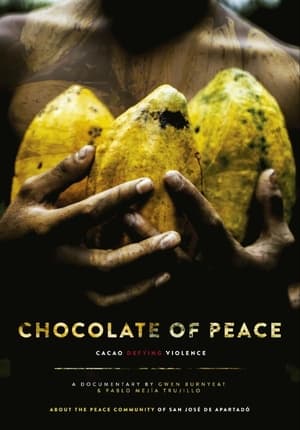
Chocolate of Peace depicts the Peace Community of San José de Apartadó's experiences of resistance, via a journey through their processes of organic chocolate production. From the seed to the product, the cacao is the narrative thread that takes us through the Community's stories of violence and resilience, and their fight to remain neutral in the face of the Colombian armed conflict. This film offers a panorama of hope, proof that despite great difficulties it is possible to sow peace through human and economic relationships. It invites us to rethink our relationship with food, to value the efforts of those who produce it, and to build bridges between the victims of the armed conflict and other sectors of global civil society.
Dejen quieta la Iguana
Experimental Colombian short documentary on the treatment of livestock.
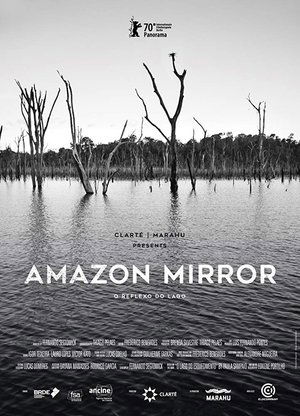
A black and white film about the people who live near one of the world’s largest hydroelectric plants in Amazonia. In the shadow of this environmentally destructive project, they eke out involuntarily meagre lives, without electricity or infrastructure.
Copa Libertadores, 1989. A true story about football, corruption and the power of Pablo Escobar and his cartel, told by its protagonists: five referees who resisted the dramatic weight of an era.
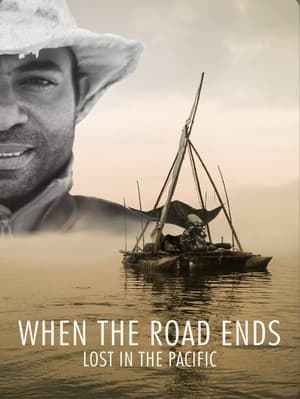
Growing up in poverty as a child, Dylan dreamt of travelling the world on a motorcycle. Many years later he broke the shackles of a normal life and took to the road. After journeying 200,000km across four continents, the road from Panama to Colombia comes to an end, swallowed up by an impenetrable jungle. Dylan has no choice but to take to the sea, building a raft powered by his motorcycle engine in the hope of reaching Colombia's road network 700km away. He must brave strong ocean currents and storm batterings in his journey from Central to South America.—Journeyman Pictures
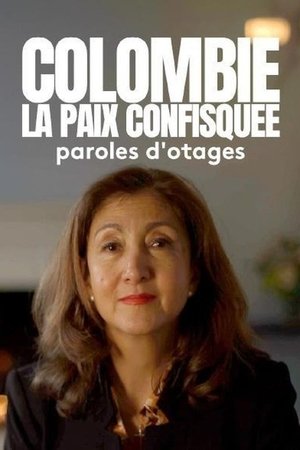
Colombie : la paix confisquée - Paroles d'otages
Mi pesadilla fue que me mataba la guerrilla
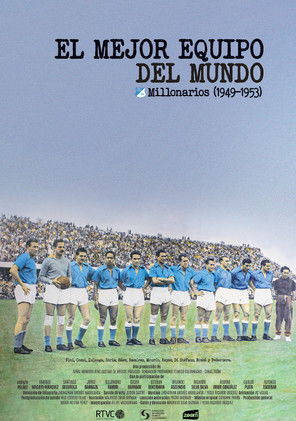
Tells the story of the famous Millonarios, one of the most awarded football teams in Colombia, which, as it was stated by the press, rivals and football leagues, between 1949 and 1953, it was the best team in the world. The documentary film, which some might say, one of the most important sports film pieces in Colombia, involves the stories of fans, members, ex-players, managers, chairmen and great journalists from the world of football, telling how this team revolutionized and changed the history of Colombian football forever.
With analog and digital material collected during her stay on a "Work Trip" taking care of children in an American kindergarten as a migrant. I'm not speak English proposes —as a visual autobiography— to make visible a phantasmagorical light as a metaphor for the sudaca's bodies that work in invisible care task. Migrant bodies who bear as an imperceptible force the North American Nation.
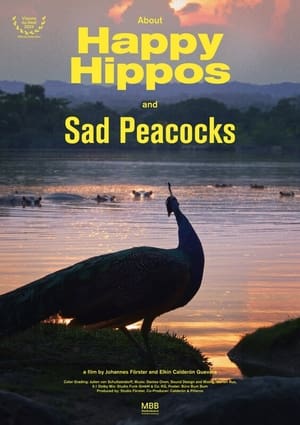
How did peacocks, originally from India, end up on an island in Berlin in the 19th century, and hippopotamuses, a century later, on the banks of a river in Colombia? Their lives there appear to be “happy and free”. With rapturous imagery, Elkin Calderòn Guevara and Johannes Förster’s decolonial fable turns them into wild icons, bearing witness to the whims of the powerful.
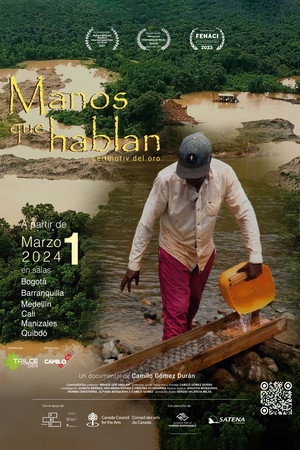
Manos que hablan