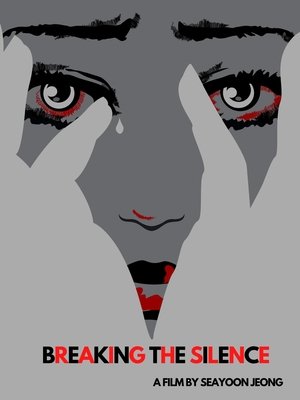
Francesca, tormented by her past, breaks the silence to talk about surviving the horrors of the comfort stations of Imperial Japan.
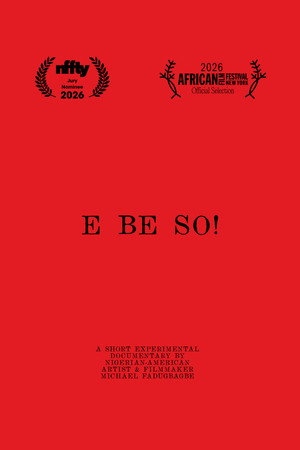
A filmmaker visits Nigeria for the first time since his parents’ emigration 22 years prior and reflects on the Nigerian 1993 election crisis, colonial history, and repatriation. Adapted from a multi-channel video thesis installation, the experimental essay film engages Yoruba oral traditions through archival materials and autobiographical narration, questioning Nigeria's past, present, and speculative future with an Afrobeat score.
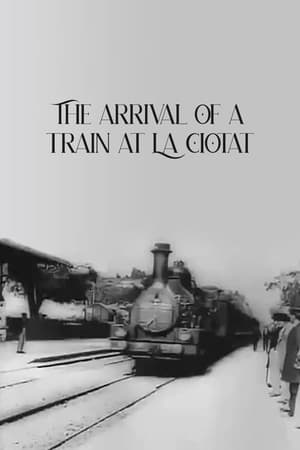
A group of people are standing along the platform of a railway station in La Ciotat, waiting for a train. One is seen coming, at some distance, and eventually stops at the platform. Doors of the railway-cars open and attendants help passengers off and on. Popular legend has it that, when this film was shown, the first-night audience fled the café in terror, fearing being run over by the "approaching" train. This legend has since been identified as promotional embellishment, though there is evidence to suggest that people were astounded at the capabilities of the Lumières' cinématographe.
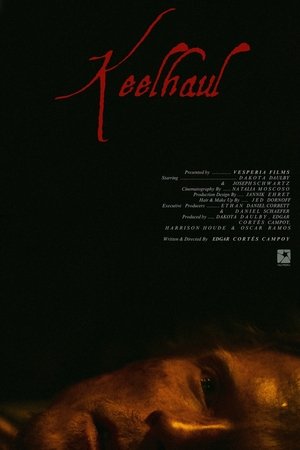
A swabbie aboard a stranded pirate vessel discovers something hidden beneath the ship’s planks, an ancient and living secret bound to the sea, and to their captain’s past.
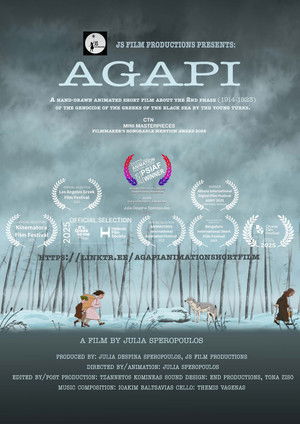
1914-1923 marked the 2nd phase of the Genocide of the Greeks of the Black Sea by the Young Turks. Agapi, her family, and the whole village’s Greek population are forced out of their homes and into a march in the snowy forest for 40 days. Will they survive the ordeal? A hand drawn animated film with over 10,000 drawings that took more than 3 years to make by Julia Speropoulos.
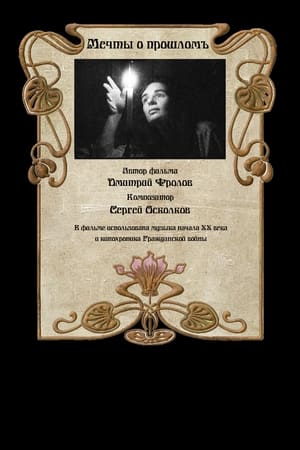
A film about peace, love and war. Dedicated to the 100th anniversary of the end of the Civil War in Russia. The film takes place at the end of the summer of 1917, when Russia and the whole world were at a crossroads between two eras. None of the people could even imagine how much his life would change in the very near future. In a strange way, the atmosphere of the film echoes our current reality and what is happening in Russia today. According to the form of visualization, the film belongs to experimental mockumentary cinema. To give greater authenticity to what is happening on the screen, the shooting was carried out on black-and-white negatives of 16 and 35 mm, hand-operated cameras were used and the material was developed in manual spiral tanks. The documentary chronicle of the Kolchak army of 1919 and the White army in the Far East of 1922 is embedded in the finale of the film.
During the Revolutionary War, Emily, her daughter Sarah and her two young grandchildren have to look after themselves and run the family farm while the men fight for the patriots' cause. With winter approaching, crops dwindling and food shortages mounting, the women face their greatest fears when three lost British soldiers storm into their house demanding food, drink and anything else they can get their hands on.
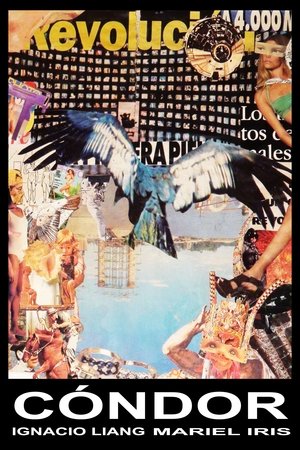
Cóndor
The film is about Azerbaijan.
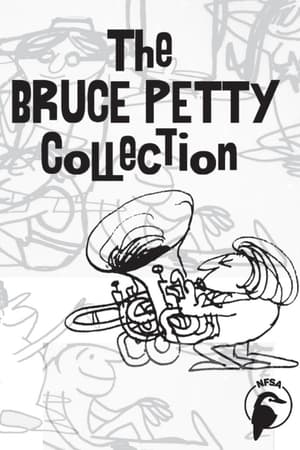
Short directed by Bruce Petty.
When the Iron Curtain cuts his tiny German village in half, Peter the bull gets separated from his 36 cows. Based on a true story narrated by Christoph Waltz.
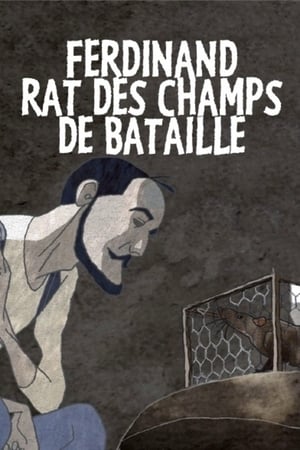
Ferdinand, Battlefield Rat
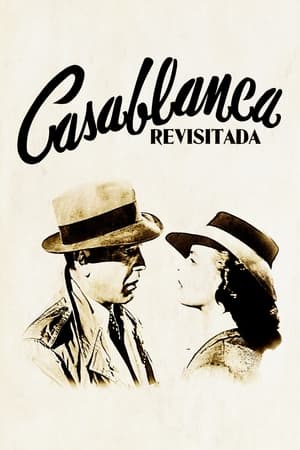
A lyrical and nostalgic analysis of how Casablanca, the mythical film directed by Michael Curtiz in 1942, has influenced both film history and pop culture.
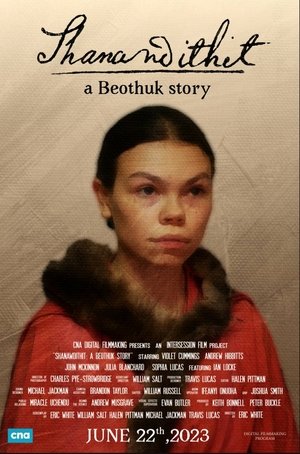
A young Beothuk woman tells the story of her experiences witnessing recent interactions between her people and Europeans.
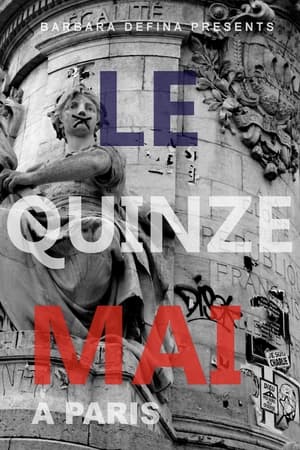
Shots of Paris on May 15, 2016 with a Parisian narrator telling us the story of May 15, 1848, when protesters finally pushed the establishment to let them have a popular vote to elect their ruler.
Tommy’s Train is a story about imagination, drive, and the power of a dream. Once existing as a tourist attraction in the city of Anacortes, Washington, Tommy Thompson’s Railway ran every summer from 1987 until 1999. The genuine steam locomotive and coaches were all hand built by Tommy in his garage workshop, and he maintained and operated the railway with his family.
Britain's first Muslim war heroine is tested to the limit as she faces her brutal captors in Nazi-occupied Paris for the last time.
After concluding the now-legendary public access TV series, The Pain Factory, Michael Nine embarked on a new and more subversive public access endeavor: a collaboration with Scott Arford called Fuck TV. Whereas The Pain Factory predominantly revolved around experimental music performances, Fuck TV was a comprehensive and experiential audio-visual presentation. Aired to a passive and unsuspecting audience on San Francisco’s public access channel from 1997 to 1998, each episode of Fuck TV was dedicated to a specific topic, combining video collage and cut-up techniques set to a harsh electronic soundtrack. The resultant overload of processed imagery and visceral sound was unlike anything presented on television before or since. EPISODES: Yule Bible, Cults, Riots, Animals, Executions, Static, Media, Haterella (edited version), Self Annihilation Live, Electricity.
When you sleep
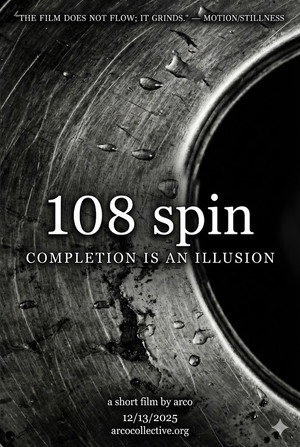
A kinetic prayer and structuralist intervention. Shot entirely on an iPhone 11 in a desolate Midwest laundromat, 108 spin documents the mechanics of impermanence. The film shifts from heavy turbulence to suspended repetition—not as a path to completion, but as a study of the loop itself. Featuring a layered soundscape, the work asks the viewer to stare into the rotation until the noise becomes a mantra.