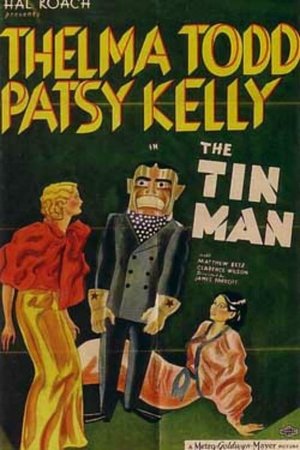
Thelma and Patsy find themselves in a spooky house inhabited by a nut who is a mechanical genius and has made a robot who does everything. The inventor manipulates the robot's control board from a hidden room. The girls are soon in a panic. Patsy gets into an argument with the robot and loses the match of wits. Blackie Burke, an escaped convict, is using the house as a hideout, and this adds to the problems the girls already have.
Le mogli e le arance is characterized by a wonderful sereneness. It is the kind of quietude which many of us connect immediately with the south. Everything seems to be in its perfect place, and time is just passing. In the setting of a sanatorium a nobleman is practicing idleness and slow-motion mind games. Does it sound boring? Yes, it does. But it is not, the uneventfulness is definitively enthralling. The film director tries to narrate time, time itself, as such, for its own sake: a rare experiment.
19th release in 'The Smith Family' series of 2-reel comedies.
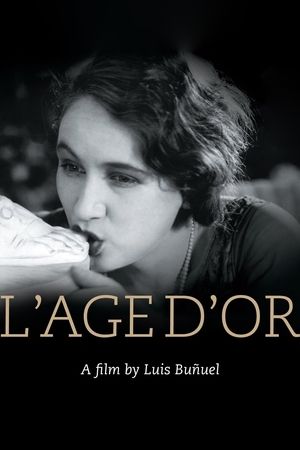
The film consists of a series of tightly interlinked vignettes, the most sustained of which details the story of a man and a woman who are passionately in love. Their attempts to consummate their passion are constantly thwarted, by their families, by the Church and bourgeois society in general.
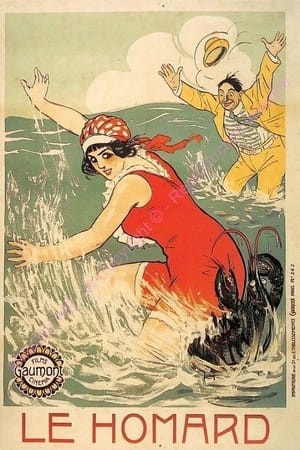
Le homard
An 1895 British short black and white silent comedy film featuring two drunken men and a boy squabbling in a small bar.
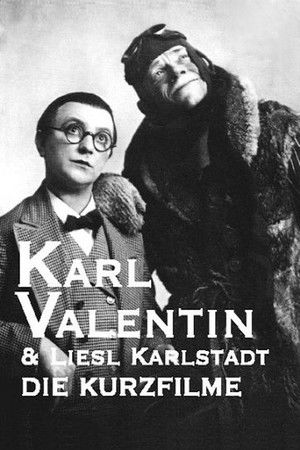
Karl Valentin and Liesl Karlstadt at the Oktoberfest.
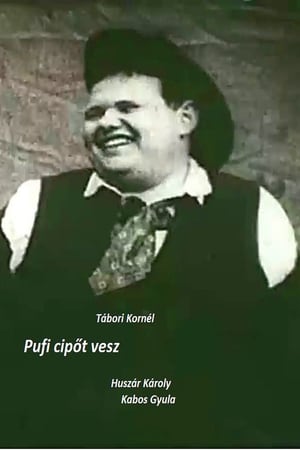
Out of the three-part burlesque, the only surviving one is the one called Pufi would buy a pair of shoes, with Hungarian inserts. The film is shot on a real-life location, in a Budapest shoe shop, and it portrays the mutual efforts of a puny sales assistant and Pufi, the bladder-of-lard customer, to find him a suitable pair of shoes. The content of the other two parts is not known.
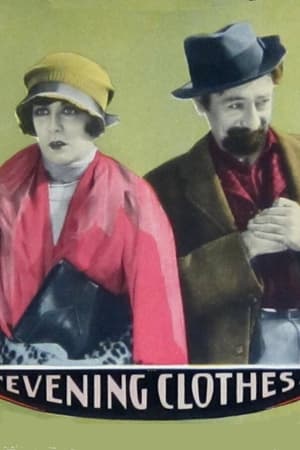
Attracted by his wealth, avaricious Germaine marries D'Artois, then leaves him for a more sophisticated man. D'Artois retaliates by moving to the city and learning the proper social graces. His new life style proves to be too expensive for him, and at the end he is left with nothing but one suit of evening clothes and his now contrite wife.
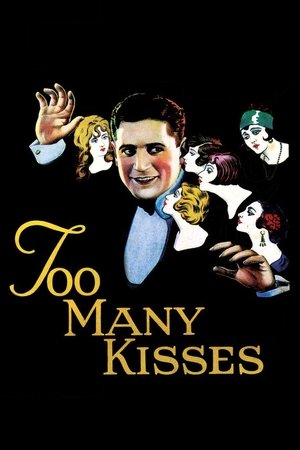
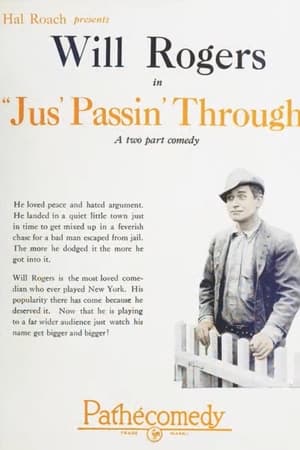
Wanting his son to get away from his many girlfriends and buckle down to work, the New York industrialist father of a playboy sends him to an obscure village in Spain to find samples of a rare mineral. When the son gets to Spain, he promptly falls for a beautiful señorita, and runs afoul of the local police chief.
Josh doesn't like the way things go at home and decides to quit and get out. Later, his wife gets what purports to be his farewell letter, which is intended to lead her to believe he has committed suicide. He, however, goes to New York to have a good time, and he does, "by gosh." The wife, believing herself a widow, makes a trip to New York with her admirer. Well, you may guess the rest.
With script and direction by Pablo Villaça and starring the comedian Geraldo Magela, Morte Cega has as main character a failed filmmaker named Francis (Maurício Canguçu, producer and one of the main actors of the theatrical success "Believe, a Spirit Downloaded Me"). One night, Francis has a frightening dream about Magela, known throughout the country for playing the character O Ceguinho. Determined to make a short film based on this dream, Francis uses his producer friend, Martinho (Carlos Magno Ribeiro, who acted in Villaça's first short, A_ética), to get to the comedian. From then on, the meeting brings unexpected results for everyone involved.
At Thanksgiving, a tramp arrives in a homeless-hostile town.
An opportunistic umbrella salesman attempts to save a musician and his daughter from blackmail.
Two old tars, retired from service, live alone in a cottage by the sea. They sail along on an even keel, until a buxom and comely widow projects herself on the scene when one old tar breaks one of their unwritten laws and falls in love with her. The other old fellow objects strenuously.
A man fakes an engagement to a typist to please his rich aunt.
The pattern-living Paul Fowler has his routines disrupted by the contact-seeking photographer Jane.
The opening shows a colored nursemaid in the park with baby carriage, and seated on a bench receives the attention of several smart colored men who admire her greatly and endeavor to make her acquaintance. But the dusky belle is coy and declines to make the acquaintance of any of them, until one more fortunate than the rest is invited to a seat on the bench with her, and a most pronounced flirtation takes place between the lady and her beau. (Selig catalog)
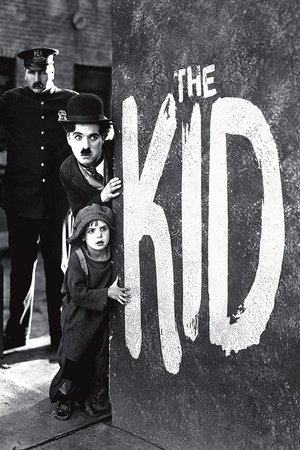
A tramp cares for a boy after he's abandoned as a newborn by his mother. Later the mother has a change of heart and aches to be reunited with her son.
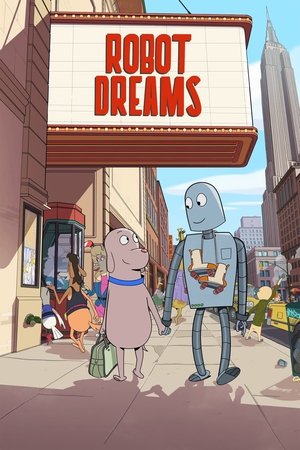
A lonely dog's friendship with his robot companion takes a sad turn when an unexpected malfunction forces him to abandon Robot at the beach. Will Dog ever meet Robot again?