Bible expert Bill Gallatin explores biblical prophecies from the Book of Revelation that have transpired, with a discussion of whether these events signify that we are now living in the End Times preceding the return of Jesus Christ. Gallatin touches on events such as the increasingly acute difficulties in the Middle East, numerous environmental catastrophes, earthquakes and more, explaining how they connect to scriptural writings.
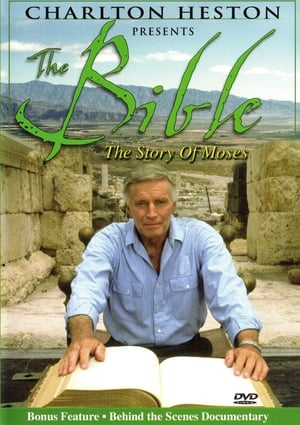
"Ever since playing Moses in The Ten Commandments," Charlton Heston has said, "I've felt a deep, personal connection with the Bible, which remains as vivid and vital today as when it was told around campfires centuries before there was any written language." Heston brings his own storytelling gifts to the second in his acclaimed four-part Bible series.
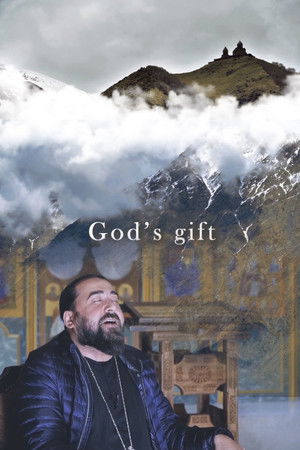
Portrait of Seraphim Bit-Kharibi, an Assyrian Orthodox Christian monk residing in Georgia, who sings in Aramaic, the mother tongue of Jesus Christ
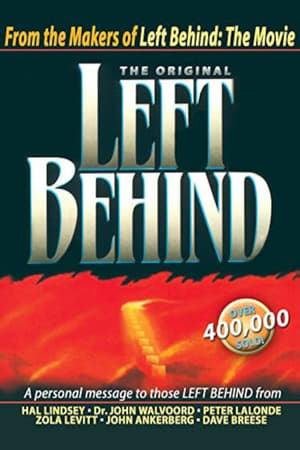
Leading biblical scholars and religious experts discuss the implications of the Rapture, when prophecies predict that Jesus Christ will return to Earth and his true believers will be transported to meet him.
A documentary look, mostly through the eyes of Tammy Faye Bakker Messner, at her rise and fall as a popular televangelist with husband Jim Bakker.
PBS Frontline traces rise and fall of television evangelists Jim and Tammy Bakker and investigates why government agencies failed to vigorously investigate charges of corruption in Bakker empire.
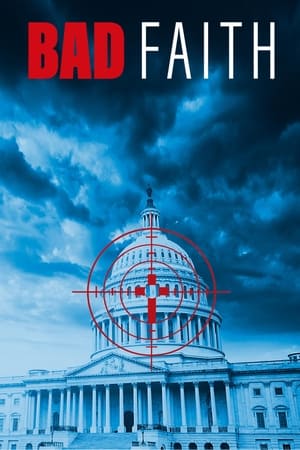
On January 6, 2021, Americans witnessed an attack on the U.S. Capitol without precedent in our history. Armed militiamen and QAnon followers made headlines, but among them were a sea of crosses and Christian flags, rosaries and "Jesus Saves" signs. What motivated so many Christians to participate in this violent assault?
The Shortest Way Home: C.S. Lewis & Mere Christianity is an introductory review to Lewis's classic work on issues of faith and reason. Viewers will find honest discussion and helpful insights for the tough questions asked by believers and skeptics alike.
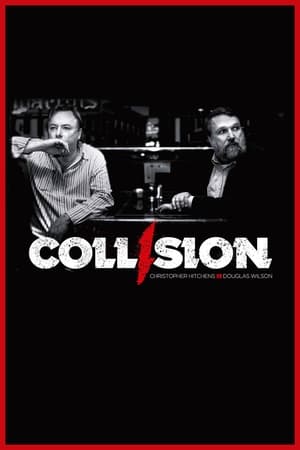
COLLISION carves a new path in documentary film-making as it pits leading atheist, political journalist and bestselling author Christopher Hitchens against fellow author, satirist and evangelical theologian Douglas Wilson, as they go on the road to exchange blows over the question: "Is Christianity Good for the World?". The two contrarians laugh, confide and argue, in public and in private, as they journey through three cities. And the film captures it all. The result is a magnetic conflict, a character-driven narrative that sparkles cinematically with a perfect match of arresting personalities and intellectual rivalry. COLLISION is directed by prolific independent filmmaker Darren Doane (Van Morrison: Astral Weeks Live at the Hollywood Bowl, The Battle For L.A., Godmoney).
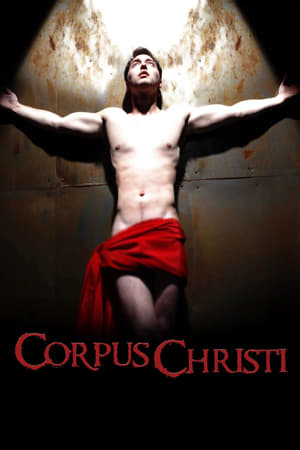
Terrence McNally’s Corpus Christi is a play retelling the Jesus story, with Jesus as a gay man living in the 1950s in Corpus Christi, Texas. This documentary follows the troupe, playwright, and audience around the world on a five-year journey of Terrence McNally’s passion play, where voices of protest and support collide on one of the central issues facing the LGBT community: religion.
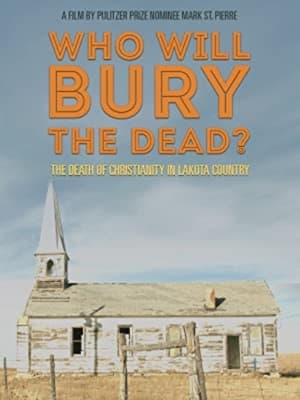
This documentary offers a deep, candid, and historical look at the Christian experience of America's largest and best-known tribes: the Dakota and Lakota. Its exploration into Native American history also takes a hard and detailed look at President Ulysses S. Grant's Peace Policy of 1873, which was, in effect, a "convert to Episcopalianism or starve" edict put forth by the American government in direct violation of its Constitution. The devastation it had on the values of the people affected were dramatic and extremely long-lasting. Grant's policy was finally ended over 100 years later by the Freedom of American Indian Religions Act in 1978. Interlaced with extraordinarily candid interviews, this documentary presents an insider's perspective of how the Dakota and Lakota were estranged from their religious beliefs and their long-standing traditions.
So entstand die Bibel
Would Jesus Wear a Sidearm?
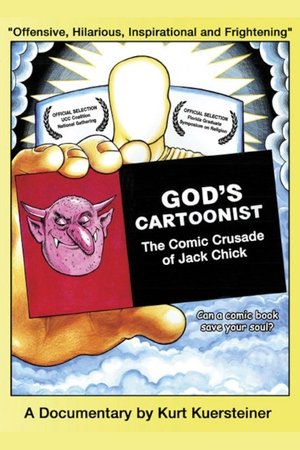
A documentary about the world's most published and controversial comic artist: Jack T. Chick. His cartoons, conspiracies, and controversies are revealed for the first time on screen. Both critics and supporters give a complete view of this mysterious recluse, the invisible mastermind behind the Chick empire.
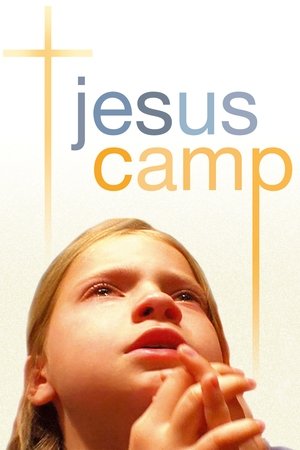
A documentary on kids who attend a summer camp hoping to become the next Billy Graham.
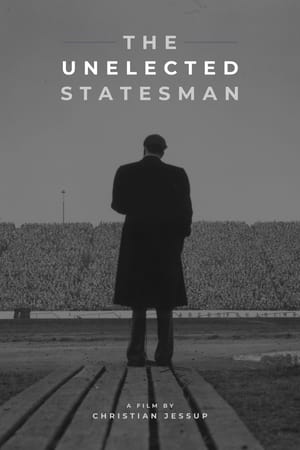
Billy Graham was a man known worldwide for his southern charm, unmistakable voice and most importantly to him, his love and devotion to Jesus Christ. Lesser known, however, is his role as a statesman of the United States. Despite never holding public office, Graham comforted the nation in some of its darkest hours, spread its causes and principles to all corners of the globe, and counseled every president from Harry Truman to George W. Bush. This is the story of the unelected statesman.
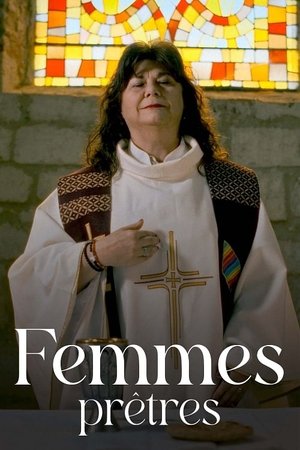
This film follows a group of free-spirited, courageous, and inspired women who feel a deep calling to serve as Catholic priests. Despite their unwavering faith and dedication, they face a rigid barrier: the Church's refusal to recognize their vocation. Determined to understand why, these women embark on a bold investigation into the heart of the Vatican, one of the last strongholds of institutionalized misogyny, challenging centuries of tradition to uncover the reasons behind this powerful and injust prohibition.
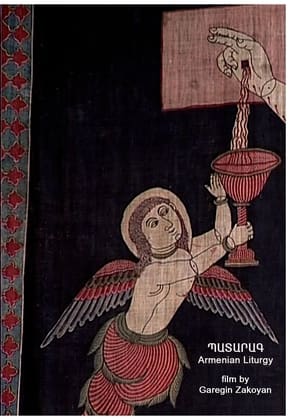
An enthralling and thorough documentation of the traditional Armenian church liturgy.
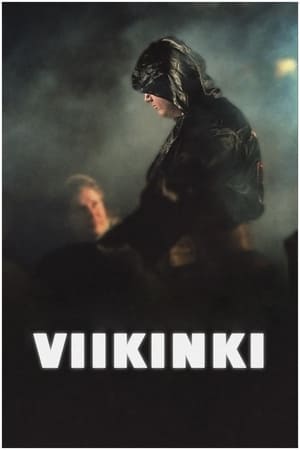
Documentary film about Tony Halme, masculinity and populism. The film follows how Tony Halme created a mythical, highly masculine freestyle wrestling character, The Viking, who gained fame both in the ring and in the public eye and eventually became captivated by it. With his brash speeches, Halme fired the starting shot for the rise of the Finns Party. The voice of a forgotten section of the population, a protest against the ruling elite, were the building blocks of Halme's popularity. Halme's great popularity has served as a good example of a populist figure, admired within the deep ranks of the nation, who comes from outside the political elite and changes the direction of politics. Also, despite - or perhaps because of - his openly racist statements, he was part of changing the political climate in Finland to a more acrimonious one.
After seeking transcendence through shamanic rituals, Ana’s life is transformed overnight by an unexpected turn toward faith.