September 3rd, 1939. Britain and France declare war on Nazi Germany, only two days after the Wehrmacht invades Poland. This day, the sad date when the fate of the world changed forever, the Phoney War began: eight months of uncertainty, preparations, evacuations and skirmishes.
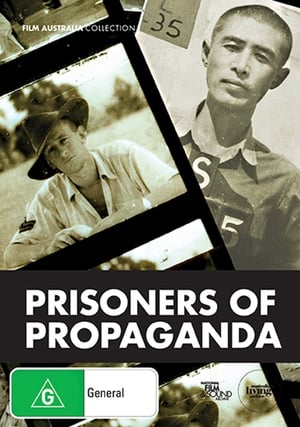
In 1943, the Imperial Japanese Secret Service made a film called Calling Australia! to show the "exemplary conditions" under which prisoners of war were kept, and to "soften up" the Australian public for the anticipated occupation of their country by Japanese forces. Prisoners of Propaganda tells why the film was made, and how it came to be forgotten.
Dík válečného sirotka
Between 1933 and 1945 roughly 1200 films were made in Germany, of which 300 were banned by the Allied forces. Today, around 40 films, called "Vorbehaltsfilme", are locked away from the public with an uncertain future. Should they be re-released, destroyed, or continue to be neglected? Verbotene Filme takes a closer look at some of these forbidden films.
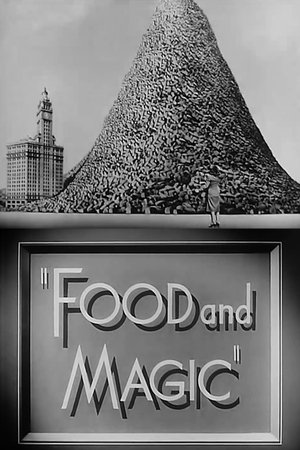
A sideshow barker uses magic and visual aids to alert the public that proper food management is both a resource and a weapon that could be to America's advantage if conserved properly in winning the then current World War. Preserved by the Academy Film Archive, Academy War Film Collection, in 2008.
Peaceful citizens (one of whom resembles Felix the Cat) are dancing to music before their island is being invaded by a gigantic rodent that resembles Mickey Mouse. The islanders contact legendary folk-hero Momotaro from a giant book to battle Mickey.
The Sailor and the Seagull was released by the U.S. Navy in 1949 with a simple goal: encouraging servicemen to re-enlist. In the film, a disgruntled sailor named McGinty complains about the raw deal he believes he is receiving by serving in the Navy. As luck would have it, a seagull comes to release him from service so that he can experience the freedom of civilian life. McGinty soon learns, however, that civilian life means less freedom and less money than he had imagined and quickly jumps at the chance to re-enlist. (cont. http://blogs.archives.gov/unwritten-record/2013/09/26/sailor-and-the-seagull/)
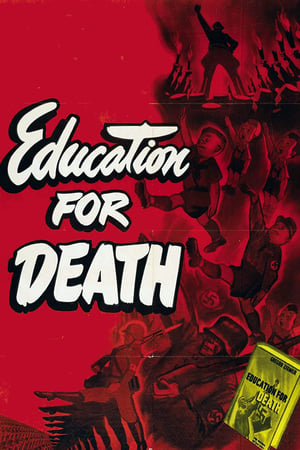
A propaganda film during World War II about a boy who grows up to become a Nazi soldier.
A Nazi propaganda movie from 1941 directed by Max W. Kimmich, covering a story of Irish heroism and martyrdom over two generations under the occupation of the British.
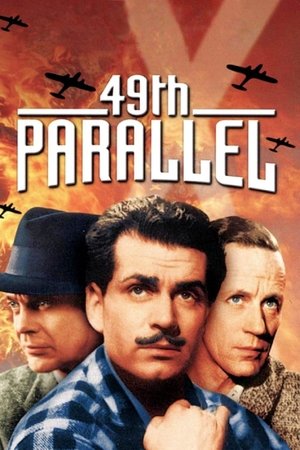
In the early days of World War II, a German U-boat is sunk in Canada's Hudson Bay. Hoping to evade capture, a small band of German soldiers led by commanding officer Lieutenant Hirth attempts to cross the border into the United States, which has not yet entered the war and is officially neutral. Along the way, the German soldiers encounter brave men such as a French-Canadian fur trapper, Johnnie, a leader of a Hutterite farming community, Peter, an author, Philip and a soldier, Andy Brock.
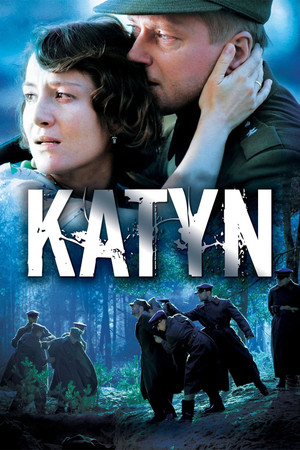
On September 1st, 1939, Nazi Germany invades Poland, unleashing World War II. On September 17th, the Soviet Red Army crosses the border. The Polish army, unable to fight on two fronts, is defeated. Thousands of Polish men, both military and government officials, are captured by the invaders. Their fate will only be known several years later.
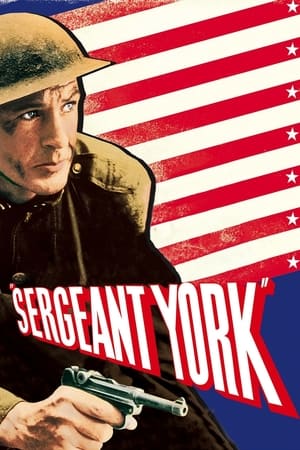
Alvin York a hillbilly sharpshooter transforms himself from ruffian to religious pacifist. He is then called to serve his country and despite deep religious and moral objections to fighting becomes one of the most celebrated American heroes of WWI.
The Silver Fleet was inspired by a true story from World War II. Holland now under German occupation, a Shipyard owner and Chief engineer Jaap van Leyden is summoned to build ships for the German war effort. The commission would allow Leyden to build sophisticated submarines whilst safeguarding jobs for the local Dutch workforce. A newly built U-boat, named U107 goes out on her first sea trial and is hijacked by a Dutch crew and they re-route the vessel to England. As such it provided an opportunity to refuel patriotism in the face of a seemingly interminable war and almost unbearable civilian hardship.
Despite the bombs which he suffers from at the war front, war correspondent, Col. Heeza Liar succeeds to foil the enemy lines.
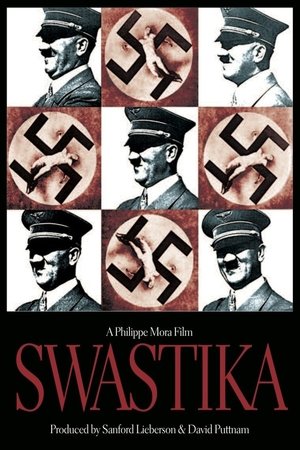
Comprised of footage shot during the Nazi regime, including propaganda, newsreels, broadcasts and even some of Eva Braun's colorized personal home movies, we explore the way in which the Third Reich infiltrated the lives of the German population, from 1933 to 1945.
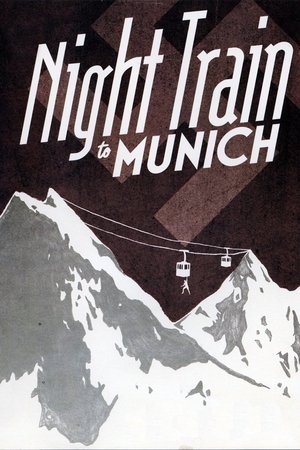
Czechoslovakia, March 1939, on the eve of World War II. As the German invaders occupy Prague, inventor Axel Bomasch manages to flee and reach England; but those who need to put his knowledge at the service of the Nazi war machine, in order to carry out their evil plans of destruction, will stop at nothing to capture him.
Short movie from 1934 about a war between monkeys and bears.
This very brief cartoon from Japan whose title translated means "The Monkey Fleet" and runs little more than a minute has the Asian monkeys battling octopuses as they both go underwater with the simian animals riding in submarines shooting their torpedo bullets at the sea creatures.
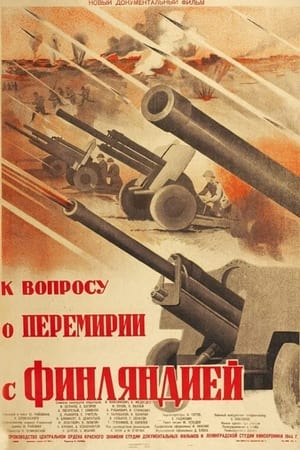
A rare documentary that shows how Soviet war propaganda presented the events of the Finnish front in 1941–1944. The main emphasis is on the resolution of the war. The film contains plenty of unique footage of the final stages of the Continuation War.
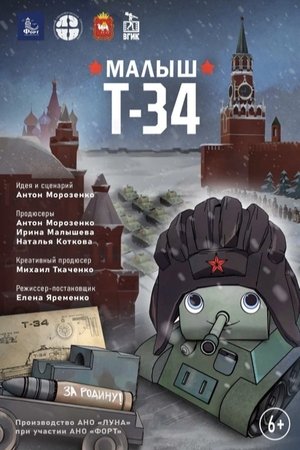
Story of a baby tank wishing to fight in WWII.