Explore the 'Krivoklat Castle, Czechia', one of the oldest and most important castles of the Czech kings and princes, with origins dating back to the 12th century. This royal residence was built as a seat of the ruling Premyslid dynasty
"Every August, while Europe's bankers, lawyers, and other desk jockeys shut off their phones and head to the beach, the junkies of Prague set up camp in the poppy fields outside the city for a vacation of their own" (Vice).
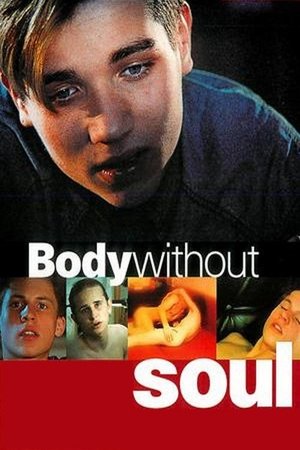
A stark documentary about young male prostitutes in Prague, aged 15 to 18, who work the streets, train stations, and clubs. Through candid interviews and behind-the-scenes footage of gay porn shoots, the film explores their lives, struggles, and dreams, touching on themes of exploitation, identity, AIDS, and survival.
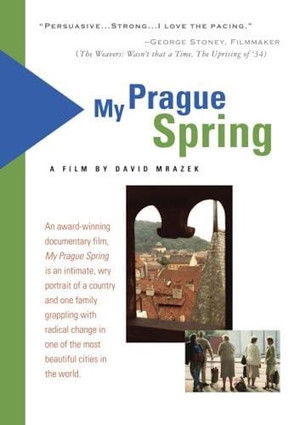
In its "velvet revolution" of 1989, the people of Czechoslovakia toppled its communist dictatorship and embraced democracy and capitalism. By January 1993, the country had peacefully split in two. In the early 1990s, thousands of American college graduates began flocking to Prague, where they could postpone entering the "real world," and live cheaply in a beautiful undiscovered European city. Throughout that decade more and more tourists crossed the statue-lined Charles Bridge in search of old world beauty previously hidden by communist isolation. But what of the people who cross the Charles Bridge on their way to work every morning? Who are the Czechs? What is their history? What is their future? My Prague Spring is an award-winning film that vividly humanizes a resilient people who have survived a tumultuous history. In the spring of 1990, a Czech-American filmmaker spent four months living with his Czech relatives, and opened an intimate window into an uncertain world.
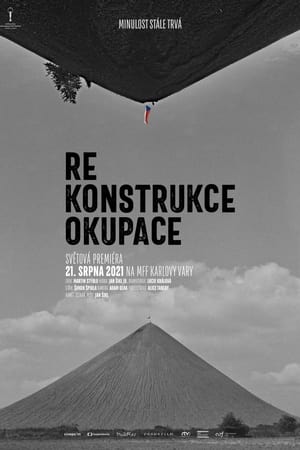
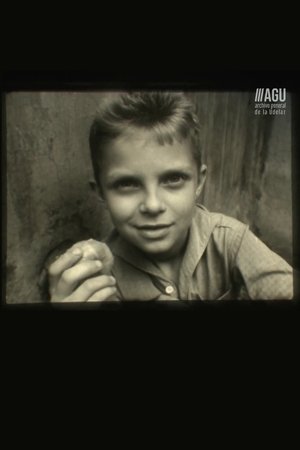
Documentary filmmaker Jan Sikl came across several hours of footage showing the Warsaw Pact invasion of Czechoslovakia in private film archives. 53 years later, historical memory awakens from a long slumber with this reconstruction of the occupation, a cinematic adventure of a truly archeological nature.
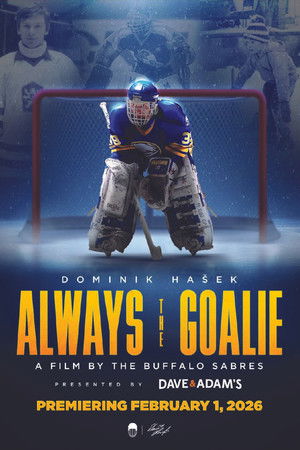
Dominik Hašek, Olympic gold medalist and two-time Stanley Cup-winning goaltender, looks back on his life growing up in Pardubice, Czechoslovakia. His longest-tenured NHL team, the Buffalo Sabres, walk Hašek through his past to see how his love of hockey and the political and cultural influences of growing up in Pardubice molded him into one of the greatest goalies the sport has ever seen.
A feature about philosophy, perception and imprisonment in Aldo Lado's Giallo "Short Night of Glass Dolls".
Reminiscences of a trip to Čáslav
Otakar Vávra walks through Prague in front of the camera and with the camera, and remembers those who in the 1930s determined the pulse of the cultural and political life of that time.
From the behavior, discourse, and appearance of individual actors, Vachek composes, in the form of a mosaic, a broad and many-layered film-argument about Czechoslovak democracy in the period of its rebirth, all administered with the director’s inimitable point of view.
A film about the contrasts between Czechoslovakia and Bulgaria in 1968. A film that reveals the mechanisms of censorship and propaganda during communism. A film about how information about events in Czechoslovakia was distorted in Bulgaria.
The brilliant Czech writer Milan Kundera has not given an interview in thirty years; nor does he appear in public. How did he become a legendary author? What is so unique about his books?
Monstrum
Documentary short film by Mario Handler about the city of Prague as part of an internship to study film in Europe.
A documentary film comparing current / everyday and historical / noble aspects of Prague.
Reinhard Heydrich was considered the most dangerous man in Nazi Germany after Hitler himself. The plot to kill him masterminded in England and carried through to finality in Prague in 1942, is told in this gripping dramatised documentary special. Featuring meticulous reconstructions, coupled with authentic historical film, some of it never shown before the film powerfully presents a vivid account of the only successful assassination of a leading Nazi in World War II. It also chillingly recreates the terrible human cost of SS savagery against the Resistance and the total obliteration of the village of Lidice.
Showing his own original footage of Prague Spring, director Evald Schorm describes the atmosphere these days in 1968.
Roger Waters, the creative force behind the golden years of Pink Floyd, presents his first Farewell Tour, “This Is Not A Drill”, Live from Prague, in cinemas around the world. This cinematic extravaganza is a stunning indictment of the corporate dystopia in which we all struggle to survive and will include 20 Pink Floyd and Roger Waters classic songs, including: “Us & Them”, “Comfortably Numb”, “Wish You Were Here”, and “Is This The Life We Really Want?”. Waters also debuts his new song, “The Bar”. Waters is joined on stage by Jonathan Wilson, Dave Kilminster, Jon Carin, Gus Seyffert, Robert Walter, Joey Waronker, Shanay Johnson, Amanda Belair and Seamus Blake to deliver an unforgettable performance with a call to action to love, protect, and share our precious planet home.
Documentary showing the Czechoslovakian political landscape in March 1968, when president Antonin Novotny, a hardline Stalinist, stepped down and moderate communist Ludvik Svoboda was elected. Five months later, in August 68, the Prague Spring would end with the military intervention of the Warsaw Pact.
A film about the phenomenon of Alexander Dubček, a Czechoslovak politician, one of the most prominent personalities of the Prague Spring of 1968, author of the concept of “socialism with a human face”.