An instructional video that teaches, through stop-motion animation, how to build a bridge over a gorge that can hold heavy military equipment. Preserved by the Academy Film Archive in 2004.
In 1870s India, Charulata is an isolated, artistically inclined woman who sees little of her busy journalist husband, Bhupati. Realizing that his wife is alienated and unhappy, he convinces his cousin, Amal, to spend time with Charulata and nourish her creative impulses. Amal is a fledgling poet himself, and he and Charulata bond over their shared love of art.
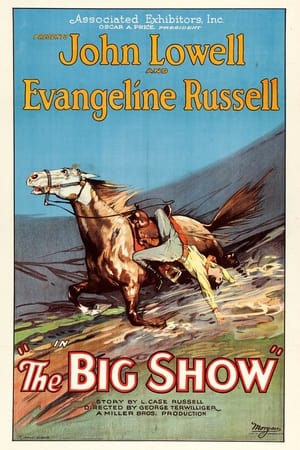
The Big Show, the only feature-length motion picture produced by the Miller Brothers, is a behind-the-scenes melodrama set within their show. The story: Bill, a war veteran who has been defrauded by his brother, rescues Ruth, the elephant girl, and joins the company. Secretly engaged to Bill’s “bad brother” Norman—allegedly an oil millionaire—Ruth rebuffs her rescuer’s affection. Her elephant, however, knows a villain when he smells one and eventually gives Norman his just deserts. Preserved by the Academy Film Archive in partnership with the National Film Preservation Foundation New Zealand Project in 2012.
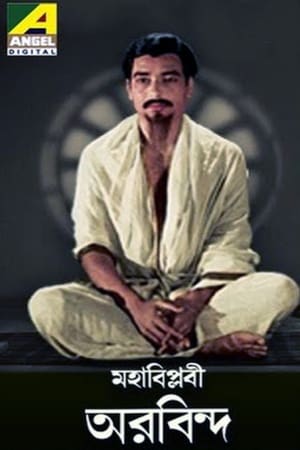
Inspired by the life of Rishi Aurobindo, it’s a Bengali classic portraying the life of Sri Aurobindo Ghosh beginning from his return to India in 1892 to his life in Pondicherry in 1910. This film shows a detailed narration of his early life, marriage, interaction with Sister Nivedita, contributions in India’s freedom struggle and activities in Jugantar, Alipore bomb blast case, and the subsequent trial.
Jane Conger Belson Shimane's first film, Logos, premiered in 1957 and was screened at festivals in North America, Europe, and Latin America. The animated film featured an electronic score by Henry Jacobs. Preserved by the Academy Film Archive in 2001.
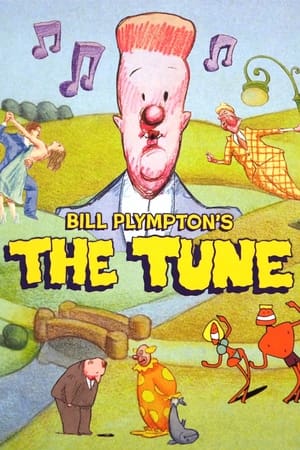
Del is a song writer for the obnoxious Mr. Mega, and in love with Didi, Mega's secretary. His quest to write a hit tune brings him to the wacky world of Flooby Nooby, where he just might learn to write songs from the heart.
A little slacker doesn't appreciate his childhood and wants to face with adult problems as quickly as possible.
Odds & Ends is a sly comment on the collage film and Beat culture. To discarded travel and advertising footage found at a local film laboratory, Belson Shimane added a mélange of animation—assemblages, cutouts, color fields, and line drawings—and faux hipster narration by Jacobs (credited via the anagram Rheny Bojacs) punctuated by a bongo backing. Strung together with doublespeak and non sequiturs, the monologue skirts the edge of nonsense as Jacobs waxes on about poetry, jazz, “reaching the public,” “having a good time,” and—although “money doesn’t count”—the “possibility of subsidy” through grants. Footage of champagne, tropical beaches, and exotic peoples intermingle with rhythmic drawings and stop-motion flights of fancy. The visuals race on through dazzling transformations, both amplifying and undercutting the patter. —National Film Preservation Foundation. Preserved by the Academy Film Archive in partnership with Iota Center Collection in 2006.
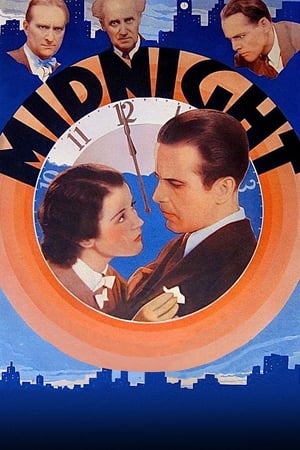
Jury foreman Edward Weldon's questioning leads to the death sentence for Ethel Saxon. His daughter Stella claims to have killed her lover, the gangster Garboni, just as Saxon was to sit in the electric chair.
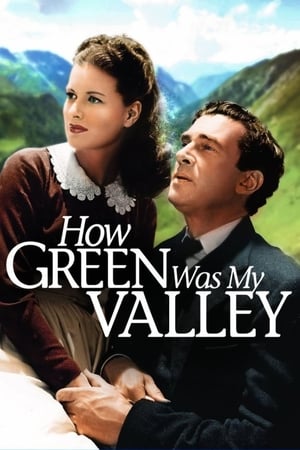
Huw Morgan, the academically inclined youngest son in a proud family of Welsh coal miners, witnesses the tumultuous events of his young life during a period of rapid social change. At the dawn of the 20th-century, a miners' strike divides the Morgans: the sons demand improvements, and the father doesn't want to rock the boat.
"Light animation and original poetry in this initiatic journey by Dennis Pies, who is now known as Sky-David." - Daily Psychedelic. Preserved by the Academy Film Archive in 2013.
Director Jean Renoir’s entrancing first color feature—shot entirely on location in India—is a visual tour de force. Based on the novel by Rumer Godden, the film eloquently contrasts the growing pains of three young women with the immutability of the Bengal river around which their daily lives unfold. Enriched by Renoir’s subtle understanding and appreciation for India and its people, The River gracefully explores the fragile connections between transitory emotions and everlasting creation.
A series of rare Max Fleischer sound cartoon shorts released by animation historian Jerry Beck. Fleischer was a pioneer in the development of the animated cartoon and served as the head of Fleischer Studios. He brought such animated characters as Betty Boop, Koko the Clown, Popeye and Superman to the movie screen and was responsible for a number of technological innovations including the Rotoscope.
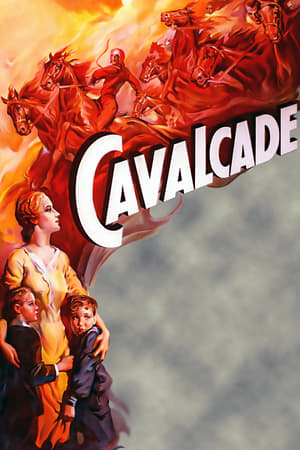
A cavalcade of English life from New Year's Eve 1899 until 1933 is seen through the eyes of well-to-do Londoners Jane and Robert Marryot. Amongst events touching their family are the Boer War, the death of Queen Victoria, the sinking of the Titanic, and the Great War.
In the year 2029, the barriers of our world have been broken down by the net and by cybernetics, but this brings new vulnerability to humans in the form of brain-hacking. When a highly-wanted hacker known as 'The Puppetmaster' begins involving them in politics, Section 9, a group of cybernetically enhanced cops, are called in to investigate and stop the Puppetmaster.
Mountain Music illustrates what happens when technology gets too advanced too soon. Preserved by the Academy Film Archive in 2012.
An uptight English writer traveling to Crete on a matter of business finds his life changed forever when he meets the gregarious Alexis Zorba.
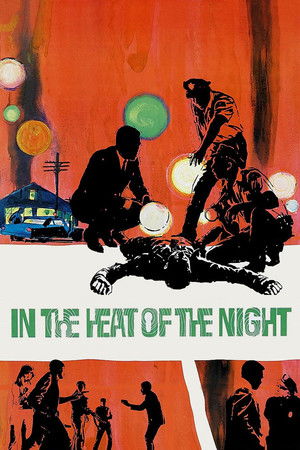
African-American Philadelphia police detective Virgil Tibbs is arrested on suspicion of murder by Bill Gillespie, the racist police chief of tiny Sparta, Mississippi. After Tibbs proves not only his own innocence but that of another man, he joins forces with Gillespie to track down the real killer. Their investigation takes them through every social level of the town, with Tibbs making enemies as well as unlikely friends as he hunts for the truth.
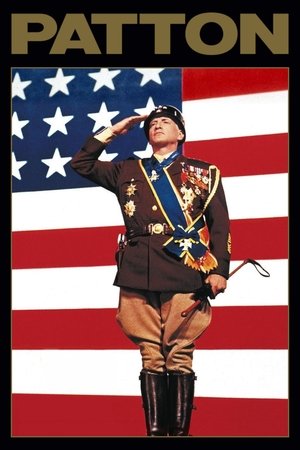
"Patton" tells the tale of General George S. Patton, famous tank commander of World War II. The film begins with Patton's career in North Africa and progresses through the invasion of Germany and the fall of the Third Reich. Side plots also speak of Patton's numerous faults such his temper and habit towards insubordination.
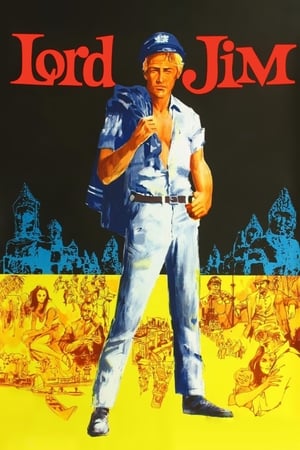
After being discredited as a coward, a 19th century seaman lives for only one purpose: to redeem himself. Preserved by the Academy Film Archive in partnership with Sony Pictures Entertainment in 2000.