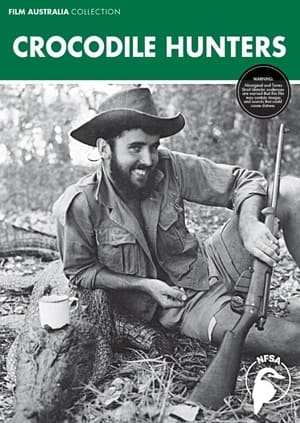
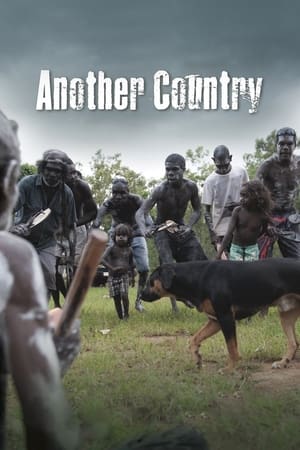
In the estuaries and lagoons of the Northern Territory, freshwater and saltwater crocodile are hunted for their hides by both Indigenous and non-Indigenous hunters. This film shows Aboriginal people using age-old hunting techniques to land crocs either for food or for skins. The methods employed by the professional hunters, who earn as much as 3000 pounds during the season, are also depicted, followed by a brief look at how the hides are skinned and prepared before being transported to the leather factories of Sydney and Melbourne.
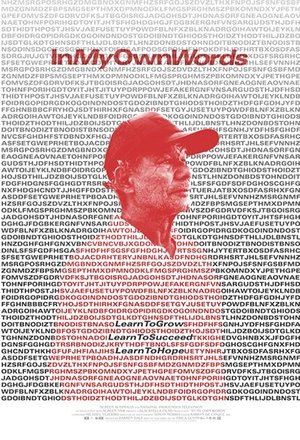
The raw, heartfelt and often funny journey of adult Aboriginal students and their teachers as they discover the transformative power of reading and writing for the first time.
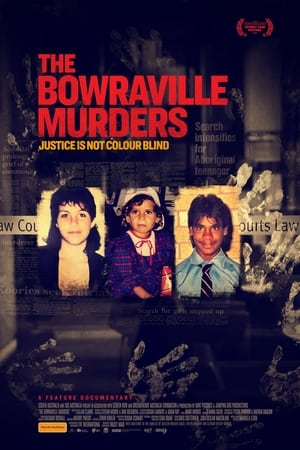
The epic David vs Goliath battle for justice waged by the families of three Aboriginal children murdered in a small rural town 30 years ago, the system that failed them, and what it reveals about racism in Australia today.
Essie Coffey gives the children lessons on Aboriginal culture. She speaks of the importance of teaching these kids about their traditions. Aboriginal kids are forgetting about their Aboriginal heritage because they are being taught white culture instead.
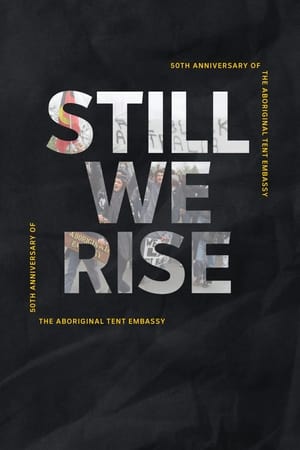
50 years on, the Aboriginal Tent Embassy is the oldest continuing protest occupation site in the world. Taking a fresh lens this is a bold dive into a year of protest and revolutionary change for First Nations people.
A film collaboration between Quenten Agius (Aboriginal storyteller) and Kim Mavromatis (mixed media producer). Filmed on Ngadjuri country, Mid North and Southern Flinders Ranges region of South Australia. The film incorporates 10 years of archival material, shot with 8 different cameras, including 3 drones and a mobile phone camera.
A story of resistance across generations, the power of family and the unrelenting struggle for justice in a country that remains in denial.
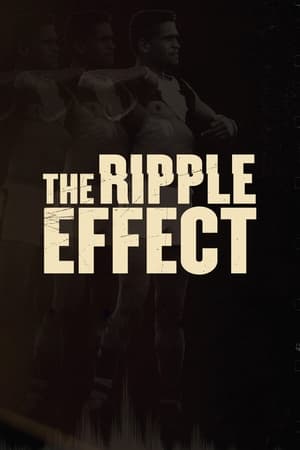
The Ripple Effect is a powerful documentary primarily centred around St Kilda legend and proud Noongar Nicky Winmar's generation-defining stand against racism at Victoria Park in 1993.
A record from the 1948 Arnhem Land Expedition lead by anthropologist Charles P Mountford that explores the abundant birdlife and waterways of Arnhem Land in the Northern Territory of Australia. Thousands of birds, both native to Australia and from around the world, find sanctuary in the billabongs of Arnhem Land, feeding on the fish, insects and flowers that flourish there. Apart from their beauty, the birds serve the useful purpose of helping to keep the balance of nature in the wilderness areas of Australia’s far north. Close photography makes it possible for some of the more interesting birds to be carefully studied. The film’s soundtrack is perhaps the most unique ever recorded, bringing us the thrilling sound of the voices of thousands of birds breaking the quiet of the virgin bush.
For both Aboriginal and non-Aboriginal Australians, Captain James Cook is a figure of great historical significance.
Witness country come alive as Mark Cora, proud Minjungbal man and cultural educator unveils the rich contexts that shape his evocative artwork, The Wind Dancer.
A look at the recent trend for collecting aboriginal art and the issues surrounding it.
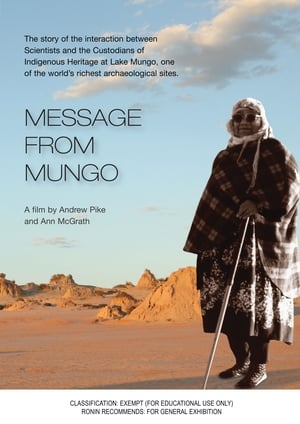
Lake Mungo is an ancient Pleistocene lake-bed in south-western New South Wales, and is one of the world’s richest archaeological sites. Message from Mungo focuses on the interface over the last 40 years between the scientists on one hand, and, on the other, the Indigenous communities who identify with the land and with the human remains revealed at the site. This interface has often been deeply troubled and contentious, but within the conflict and its gradual resolution lies a moving story of the progressive empowerment of the traditional custodians of the area.
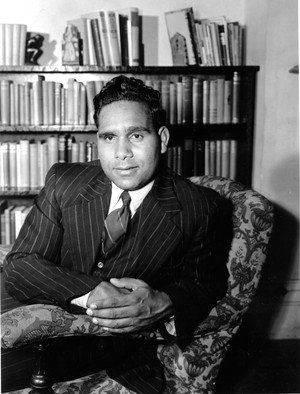
An insight into the life of Indigenous singer Harold Blair, who achieved overseas success at a personal cost. In 1945, Harold broke free of the restrictions placed on his community to perform opera and begin to change the limitations of the era.
Two Aboriginal families live like their ancestors have for centuries in this anthropological documentary. The gathering of food is the main focus as women harvest grass seeds to make a primitive flour for bread. Grubs, lizards, and fruit are also on the menu, with the only contact with the modern world being their trek to a government compound for much-needed drinking water.
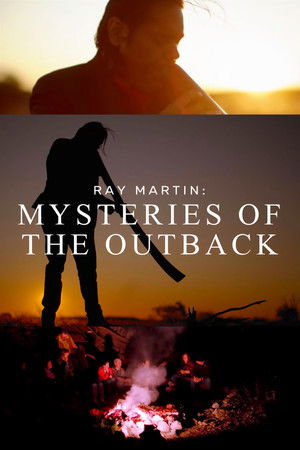
Ray Martin goes on a grand quest to locate a mysterious outback rock formation he spotted and photographed from an airliner 37,000 feet in the air.
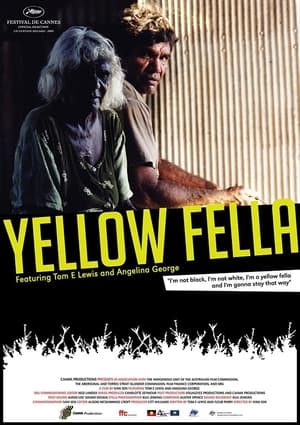
In 1978, Tom Lewis appeared in the Australian feature film, The Chant of Jimmie Blacksmith. The life of the character he played was hauntingly close to his own, a young, restless man of mixed heritage, struggling for a foothold on the edge of two cultures. Tom's mother is a traditional Indigenous woman of southern Arnhem Land, his father a Welsh stockman who he never really knew. Yellow Fella is a journey across the land and into Tom's past, as he attempts to find the resting place of his father and to finally confront the truth of his most inner feelings of love and identity.
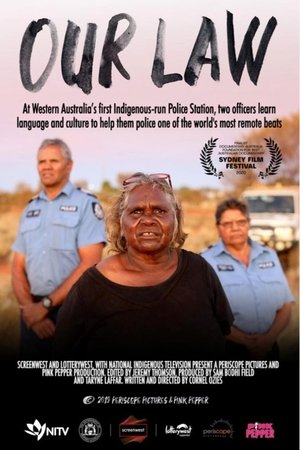
At Western Australia’s first Indigenous-run police station, two officers learn language and culture to help them police one of the most remote beats in the world.
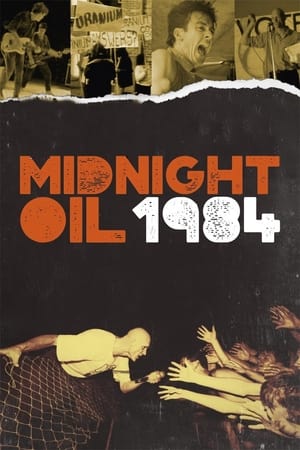
In 1984, Midnight Oil released their iconic record Red Sails in the Sunset. They embarked on a relentless tour around the nation performing raw and electrifying music that reignited the imagination of young Australians. That same year, their lead singer Peter Garrett committed to run for a Senate seat for the Nuclear Disarmament Party. With the mounting pressure of balancing the demands of music and politics this is the year that would make, but nearly break, Australia's most important rock and roll band. Thirty years in the making and featuring never seen before seen footage of the band on and off the stage, Midnight Oil: 1984 is the untold story of the year Australia’s most iconic rock band inspired the nation to believe in the power of music to change the world.
In this documentary companion to CHARLIE'S COUNTRY, Australian actor David Gulpilil tells the story of when his people's way of life was derailed by ours.