Explores the lives of Sara, Gigi and Giovanna, three Latino transvestites who for years have lived on the streets of Manhattan supporting their drug addictions through prostitution. They made their temporary home inside broken garbage trucks that the Sanitation Department keeps next to the salt deposits used in the winter to melt the snow. The three friends share the place known as "The Salt Mines".
Megacities is a documentary about the slums of five different metropolitan cities.
Meet Andrew Lindy: a man with a camera and sex on his mind. Andrew is a New Yorker who travels the world to capture beauty for various freelance jobs. Andrew chases beauty but he longs for a connection. On an assignment for ELLE magazine, Andrew travels to Cuba and brings his camera and appetite for women with him. This is a look at the lack of sexual taboo in Cuba, as well as the financial difficulties that lead to prostitution in some Cubans, for the purpose of survival.
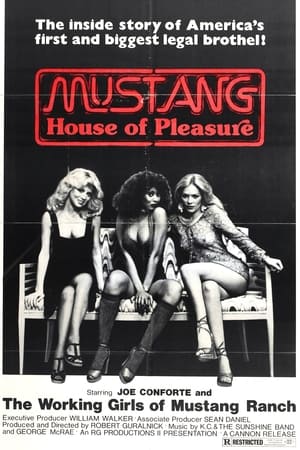
A documentary about the girls of the Mustang Ranch, a legal brothel in Nevada.
This follow-up to the 1989 documentary ONE YEAR IN A LIFE OF CRIME revisits three of the original subjects in New Jersey during a five-year period in the 1990s. We share in their triumphs and setbacks as they navigate lives of poverty, drug abuse, AIDS, and petty crime.
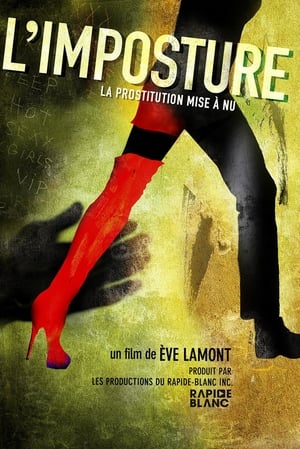
The current trend to render prostitution a profession "as any other" is belied by women who were themselves prostitutes. With clarity and courage, the women in this film reveal the hidden face of that so-called "sex work". They are 22, 34 or 48 years old; they live in Montreal, Quebec and Ottawa - They have recently given up prostitution, or are trying to escape it. These women are leading the bitter fight to turn their lives around and it is a long and lonely struggle fraught with difficulties. Shot in a Cinéma Vérité style, The Fallacy (L'imposture) takes us to the heart of their realities.
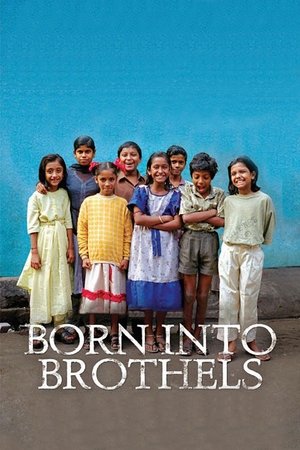
Documentary depicting the lives of child prostitutes in the red light district of Songachi, Calcutta. Director Zana Briski went to photograph the prostitutes when she met and became friends with their children. Briski began giving photography lessons to the children and became aware that their photography might be a way for them to lead better lives.
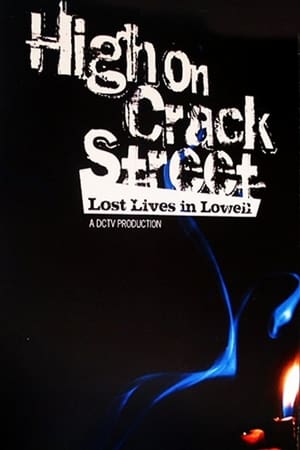
Documents 18 months in the lives of three crack addicts in Lowell, Massachusetts.
In 2002, serial killer Patrice Alègre was sentenced to life imprisonment for five murders. Gendarme Roussel, the main investigator of this case, believes that he will make him confess to other unsolved crimes in Toulouse. Two ex-prostitutes give a series of names of presumed accomplices of the killer, among them Dominique Baudis, then president of the CSA. He decides to face the case alone. Around him, it is silence: not an official support of his political family. Almost twenty years later, we return to the Baudis affair to try to understand it, with the testimonies of Pierre and Benjamin Baudis, his sons, François Hollande, Camille Pascal and the main protagonists.
High Class Call Girls is a a revealing glimpse into the lives of Emily B and Cookie Jane, two self-dubbed high class call girls who charge thousands of pounds for a night with clients who find them through new location-based apps.
A gripping journey through seven decades of sexual ignorance, oppression, and suffering, brought to life through the words and experiences of the first Soviet sexologist. Ukrainian survivors of the regime courageously recount the harsh realities they endured, from the pervasive suppression of sexual expression to the rampant exploitation and abuse that plagued Soviet society.
British filmmaker Beeban Kidron ventures onto the mean streets of the South Bronx and other New York locales to examine the lives of those involved in the city's thriving sex industry.
Afro-American men and women express their views on why some Black men are travelling from the US to Brazil to find sex partners.
Verite documentary that takes an up-close and personal look at street prostitution through the eyes of hookers and their customers. With graphic video footage and hidden-microphone audio shot in New York, Newark, Miami and Amsterdam, this special captures illicit activity that offers insights into the "client side" of the business.
The French female pioneer of immersion journalism, Maryse Choisy, who infiltrated in 1928 the prostitution underworld of Paris. Posing as a chambermaid, a lesbian bar dancer and more, she wrote a very successful and scandalous book about that avant-garde experience, and changed her mind about this world and these women's difficult condition.
In the spring of 1902, Viennese working-class daughter Marie König runs away from her beating father and is lured into a high-class brothel by an agent. Instead of the promised self-determined life "with horse-drawn carriage rides and silk dresses", she experiences closed doors, violence and exploitation. Only after years of agony does Marie confide in the journalist Emil Bader, who makes the conditions in the brothel public and takes the owner, Regine Riehl, to court.
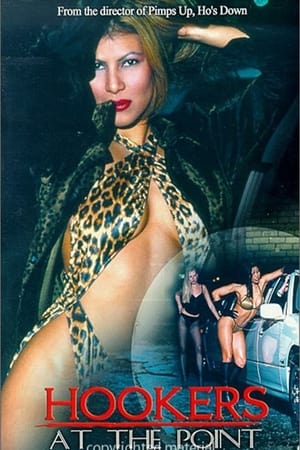
From the sultry streets of Hunts Point in the South Bronx, comes the rawest, realest and truest documentation of the world's oldest profession ever captured on video. From Brent Owens, the director of Pimps Up, Ho's Down, comes the first two in a series of five films. Hookers At The Point focuses on the business of sex and the people involved in it. As a special bonus we have included Hookers At The Point: Going Out Again, where we follow up on the personalities from the first film and see where "The Life" has led them.
In Bangkok, Thailand, women punch a clock and wait for clients in a brightly lit glass box; in the red-light district of Faridpur, Bangladesh, a madam haggles over the price of a teenage girl; and in the border town of Reynosa, Mexico, crack-addicted women pray to a deity named Lady Death.
Karayuki-san, the Making of a Prostitute is a 1975 Japanese film by director Shohei Imamura. It is a documentary on one of the Japanese "karayuki-san," who were women that were taken from their homes in Japan and used as prostitutes in the post-war period. Many of these women were told that they were doing this to support their families because of the extreme poverty that the war left much of Japan to live in. Imamura focuses on a particular such woman who was sent to Malaysia and never returned to Japan. Joan Mellen, in The Waves at Genji's Door, called this film, "Perhaps the most brilliant and feeling of Imamura's fine documentaries."
In the late 1990s, some officers at Vancouver Police Department made a documentary film (THROUGH A BLUE LENS) about the everyday lives of six drug addicts in Vancouver's skid row, the Downtown Eastside. TEARS FOR APRIL reintroduces us to these six people; with footage shot over a period of nearly ten years, it continues their biography.