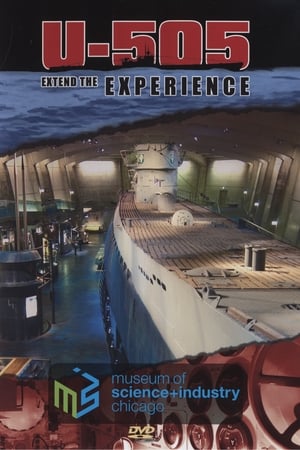
This video invites you inside the U-505 submarine, the actual craft that stalked the waters of the Atlantic before it was blown to the surface and captured on June 4, 1944. This immersive video reveals the technology and life aboard this sub in the days leading up to her capture. Among the many highlights, you’ll see crewmen bunks and the galley, wedged in among the mechanical workings of the sub.
Suffren : les 10 secrets du sous-marin français du futur
Sous-marins nucléaires : Les Armes de l'ombre
The documentary covers the entire maritime sector, its significance and contribution in the development in a country. Evergreen Media traveled from Karachi to Gadani, to Ormara to Gawadar ports, life of Creeks area, Fisheries, Shipyards, boarded the national flag carriers and landed at naval combat ships. The voyage unfolds the simple and straightforward steps to the prosperity of several nations. The marine sector plays a vital role in the economy of a country though it is seldom visible in everyday life and thus continues to be undervalued. Maritime activities are essential to trade and prosperity. They underpin our quality of life by facilitating the safe, reliable and low cost movement of foodstuffs, consumer goods and raw materials.
The stranger-than-fiction true story of a Russian mobster, a Miami playboy, and a Cuban spy who teamed up in the early '90s to sell a Soviet submarine to the Cali Cartel.
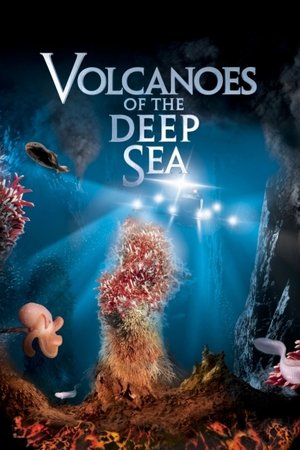
12,000 feet down, life is erupting. Alvin, a deep-sea mechanized probe, makes a voyage some 12,000 feet underwater to explore the Azores, a constantly-erupting volcanic rift between Europe and North America.
Showcases 3 major events during World War 2 involving both the Europeans & Pacific conflicts. The Raids to destroy Nazi Germany's heavy water production based in Norway, plus the final desperate act to deny them what had already been stockpiled. The Japanese midget submarines role and participation in the attack on Pearl Harbor, December 7, 1941. What they achieved plus what was their ultimate fate. The attacks on United States warships in the Pacific late in World War 2 by the Japanese Kamikaze and Okha Squadrons. The Kamikaze attacks were in whatever planes the Japanese forces were able to gather. The Okha attacks were made in specially built flying bombs that were towed by larger and usually slower aircraft that were not suitable for fighter work.
Robert Llewellyn examines the enduring appeal of submarine movies, finding a beached Cold War Russian nuclear sub on the Medway and WWII German U-boat pens on the French coast.
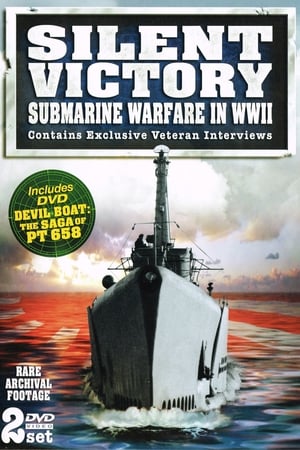
This World War II documentary rests on an unusual thesis: it argues that, in the wake of Pearl Harbor, the actions precipitated by the U.S.A.F. that truly helped turn the tide were perpetrated not by the widely-ballyhooed U.S.N. aviators or aircraft carriers, but by the American submarines - silent warriors beneath the deceptively placid ocean surface. The subs, after all, were responsible for gravely wounding Japan's industry, all but destroying the Japanese merchant fleet, and therefore preventing reinforcement of Japanese military garrisons. In relaying this story, the program draws on a series of interviews with military veterans, and endless archival footage of naval battles that chronologically tells the gripping story of the Pacific Front of the war.
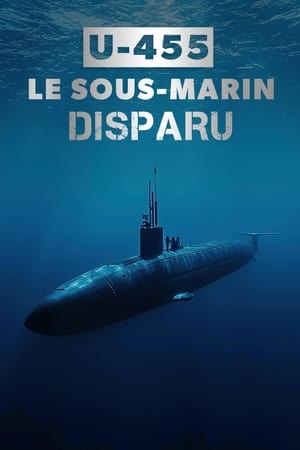
In 2008, German U- boat U-455 was discovered off the coast of Italy. 400 feet down, the submarine stands almost vertically on the ocean floor. This documentary will reveal its history and the cause of its demise.
When journalist Kim Wall disappears after boarding inventor Peter Madsen's submarine, his changing story about her fate masks a terrifying truth.
A Titanic dive. A fatal implosion. Five lives lost. As the world watched, investigators raced to uncover the truth behind the disaster. But was this more than a tragic accident?
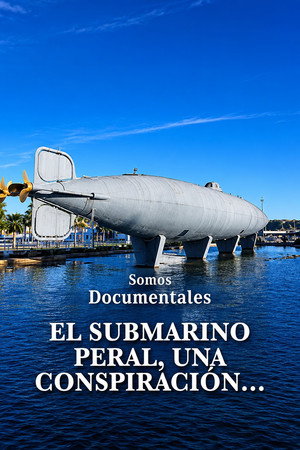
El submarino Peral, una conspiración que cambió la historia
14 September 1943: The legendary submarine Y1 “Katsonis” was sunk north of the island of Skiathos by the German submarine chaser UJ 2101. Through the book of XO Elias Tsoukalas who escaped capture and had to swim for nine hours to reach shore, secret documents, and crew members’ diaries, the documentary unfolds the human stories woven around the submarine. Seventy-five years later, with the support of the Hellenic Navy, we search for the submarine sunk at 253 metres depth and film the wreck for the very first time.
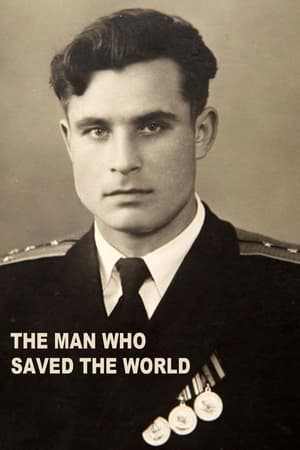
During the Cuban Missile Crisis of 1962, Soviet Navy officer Vasily Arkhipov refused to launch a nuclear strike and saved the world from nuclear war and total destruction.
In the deep ocean, where darkness reigns, scientists uncover a hidden world that sustains life on Earth. From extraordinary creatures to invisible microbial processes, the abysses play a crucial role in regulating the climate and ocean balance. But as the race for deep-sea minerals intensifies, this fragile ecosystem is under threat. A breathtaking journey into the largest, and least known, environment on our planet.
A photographic journey compiled from journals, archival footage and photographs of an Australian military photographer, Sir Hubert Wilkins in 1931 as he went from New York to the North Pole in an old WWI submarine to explore the Arctic Ocean. Included on dvd are a brief history of the submarine and photographic gallery of Wilkins.
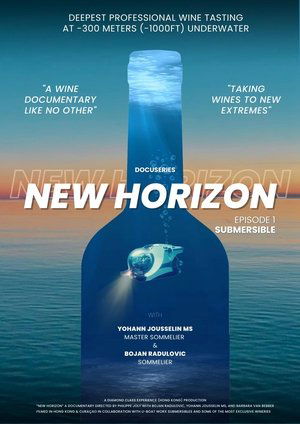
A wine documentary exploring the most suitable types of wine in extreme environments for the future of tourism. Episode 1 follows sommelier Bojan Radulovic and the deepest professional wine tasting ever attempted at -300m in a submersible.
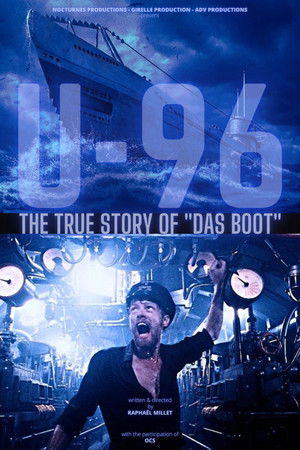
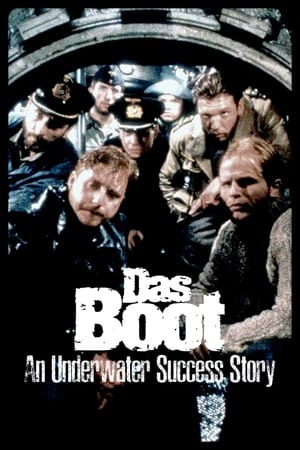
The international success of the film Das Boot by Wolfgang Petersen made U-96 one of the most famous submarines in cinematic history. But the true story of one of Hitler's most fearsome U-boats and its crew goes far beyond fiction. For the first time, this documentary sheds light on the reality behind the fiction through exclusive interviews with the makers and actors of Das Boot, as well as the last survivors of the time. In doing so, this documentary explores how Hitler's propaganda images may have influenced the visual and narrative force of Das Boot.
In 1981, a film about the misadventures of a German U-boat crew in 1941 becomes a worldwide hit almost four decades after the end of the World War II. Millions of viewers worldwide make Das Boot the most internationally successful German film of all time. But due to disputes over the script, accidents on the set, and voices accusing the makers of glorifying the war, the project was many times on the verge of being cancelled.