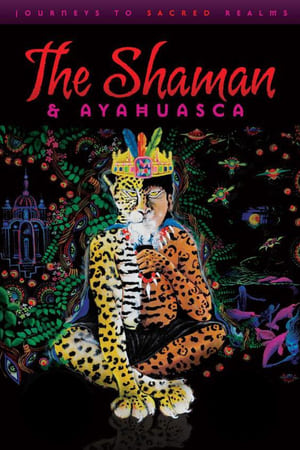
Filmed in the jungles of Peru, shaman Don Jose Campos introduces the practices and benefits of Ayahuasca, the psychoactive plant brew that has been used for healing and visionary journeys by Amazonian shamans for at least a thousand years.
Back in 2012 I had my very first Ayahuasca ceremony and, needless to say, I was terrified. But it ended up entirely changing my life and that of my future family. Which is why I decided to revisit the medicine in 2018, participating in three Ayahuasca ceremonies over the course of one week in Costa Rica, and document the process. In the film, we tackle my personal story of trying to build London Real into a global media and transformation company while also struggling with my own disconnection from friends, family and my own species. We also dive deep into the division and tribalism currently facing all of us around the world.
Don Emilio is a humble, 63-year-old man who lives in the Amazon rainforest, seven miles from the city of Iquitos, Peru. For all of his adult life he has worked as a curandero and vegetalista, a traditional healer. He estimates that in his career he has treated more than 2,500 clients. Through the camera lens of anthropologist Luis Eduardo Luna, Don Emilio tells us about his practice, his beliefs, his community, and his life. He shows us how he prepares ayahuasca and other herbal medicines. Finally, we see Don Emilio treat a man who has come to him for help, and hear from a poor woman who has brought her infant son for medical care.
Hamilton Souther is the founder of Blue Morpho Tours, a company that caters to ayahuasca tourists in the Peruvian Amazon. Souther talks about the events that led him to Amazonian shamanism. Five first-time ayahuasca drinkers on a nine-day retreat with Blue Morpho relate their experiences.
This documentary examines ayahuasca shamanism near Iquitos (a metropolis in the Peruvian Amazon), and the tourism it has attracted. The filmmakers talk with two ayahuasqueros, Percy Garcia and Ron Wheelock, as well as ayuahuasca tourists and local people connected with the ayahuasca industry.
Ruta madre
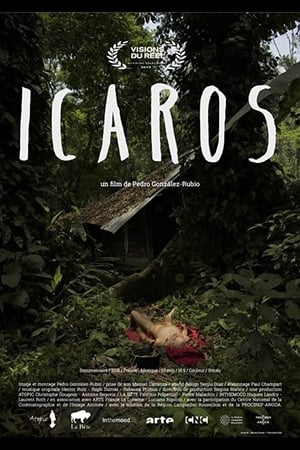
Shipibo healer Ricardo Amaringo describes how he prepares, teaches, and shares the plant medicine ayahuasca. Olivia and Julian Arévalo sing examples of icaros (healing songs) in the Shipibo language.
The Shipibo-Konibo people of Peruvian Amazon decorate their pottery, jewelry, textiles, and body art with complex geometric patterns called kené. These patterns also have corresponding songs, called icaros, which are integral to the Shipibo way of life. This documentary explores these unique art forms, and one Shipibo family's efforts to safeguard the tradition.
Aya: Awakenings' is an experiential journey by journalist Rak Razam into the world and visions of ayahuasca, a powerful hallucinogenic plant medicine from the Amazon, capturing the experience and the western dynamic around it in unprecedented detail.
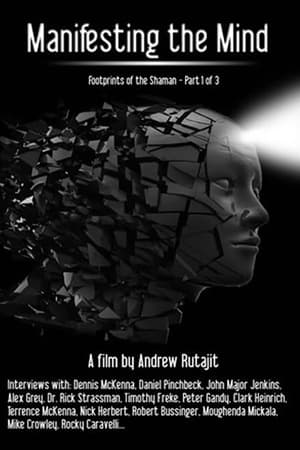
In these interviews, Dennis McKenna, Alex Grey, Rick Strassman, and other champions of psychedelics share their views on the value of psychedelic medicine, and its neglect in Western society.
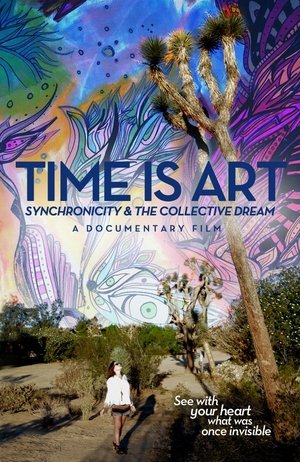
"Time is Art" is ultimately the story of an artist's search for inspiration in a money-driven society that shuns creativity, and of the human search for meaning in a seemingly meaningless world.
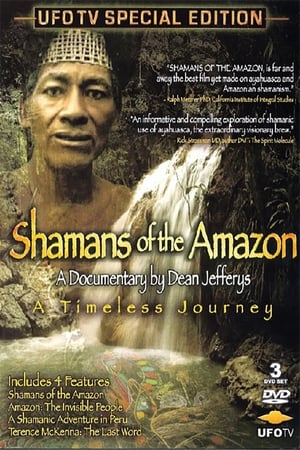
SHAMANS OF THE AMAZON is a personal account of filmmaker Dean Jefferys as he returns to the Amazon with his partner and one year old daughter. They journey deep into the Ecuadorian rainforest to learn about and experience the ancient ayahuasca healing ceremony. The film brings to the viewer an intimate and fascinating look at the shamans of the Amazon, and the life that is threatened by ecological destruction.
An encounter with the last shamans of Bolivia's Beni River Valley brings the audience on an intimate spiritual journey through the Amazon Rainforest. Navigating the viewer through lush landscapes on a ritual of transcendence and forgiveness, this experimental documentary recreates for audiences the experience of the potent and sacred Ayahuasca Vine.
On a quest for emotional healing and spiritual awakening, a naturopathic doctor and an accountant join others in the Peruvian Amazon to drink a psychedelic brew called ayahuasca.
In the late 1970s, Marcel fled Catalonia to avoid conscription into the Spanish military. For 30 years he has been living in the tropical forests of Costa Rica, where he hosts ayahuasca ceremonies for young seekers from the West.
Anthropologist and filmmaker João Meirinhos travels in Peruvian Amazonia to speak with healers who work with the plant medicine ayahuasca. The journey begins on the outskirts of Puerto Maldonado in southeastern Peru, and winds northward to Pucallpa and Iquitos.
The secrets about unlocking the mysteries of consciousness by plant-drugs. The related chances and risks involved in this shamanism. While filming Blueberry, the Secret Experience, Jan Kounen met the Shipibo healers of the Peruvian Amazon and discovered their sacred plant: Ayahuasca, the spirit vine. Deeply affected by this experience, he decided to return to Peru to shoot a documentary on the plant and the medicinal rites of the shamans. To this end, he filmed the natives but also met neurologists, philosophers, artists, and chemists working on this subject. He notably interviewed Jean Giraud, the illustrator of Blueberry, and Kary Mullis, winner of the 1993 Nobel Prize in Chemistry. More than a traditional documentary, the film is an invitation to travel, a half-open door to another world or another perception of reality. The secrets about unlocking the mysteries of consciousness by plant-drugs. The related chances and risks involved in this shamanism.
After years of suffering from post-traumatic stress disorder, six US veterans of the wars in Iraq and Afghanistan travel to Peru on a quest for healing. With the help and guidance of three brothers who are traditional healers, they take ayahuasca and other plant medicines during a 10-day retreat in the Amazon rainforest.
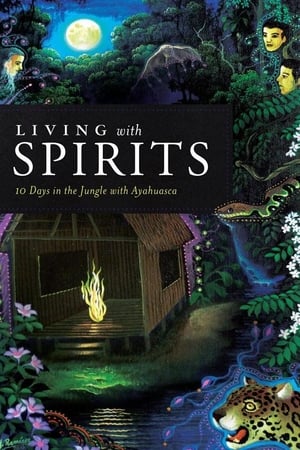
Michael Wiese documents his 10-day ayahuasca retreat at a lodge in the Peruvian Amazon.
A portrait of Peruvian curandero Agustin Rivas-Vazques, revealed primarily through stationary-camera interviews.