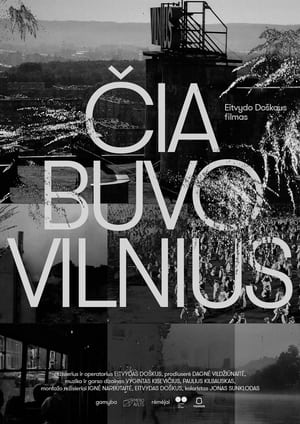
Vilnius is a city of notable historical heritage and unique character currently undergoing considerable changes. Some of the life fragments our camera has recorded are no more. The film, therefore, is a testimony to that which has faded into oblivion, and a glimpse into what is to come.
Documentary film that takes a visual and anthropological journey through man's spirit across the thin line dividing excessive faith in religious believes and the passion with which he devotes himself to worldly pleasures in a city that coexists in harmony with its double standards. Religion, faith, politics, violence and death are intimately bound in this social portrait.
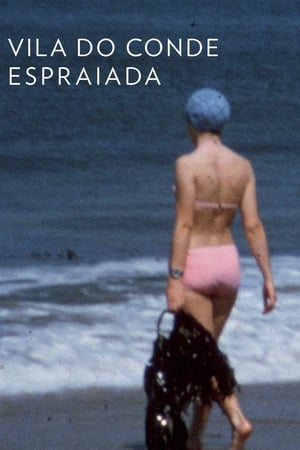
A boy from Vila do Conde records a love letter on a cassette. His voice blends with music, archive images and stories from the past, some lived and others heard.
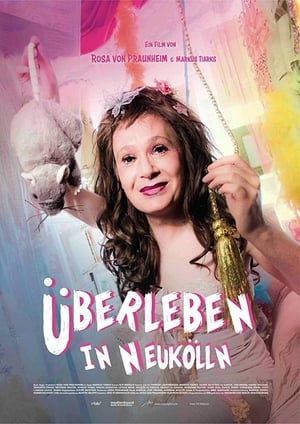
About Stefan Stricker, who calls himself Juwelia and has been running a gallery on Sanderstraße in Berlin Neukölln for many years. Every weekend he invites guests to shamelessly recount from his life and to sing poetic songs written with his friend from Hollywood Jose Promis. Juwelia has been poor and sexy all her life, has always struggled for recognition, but only partially.
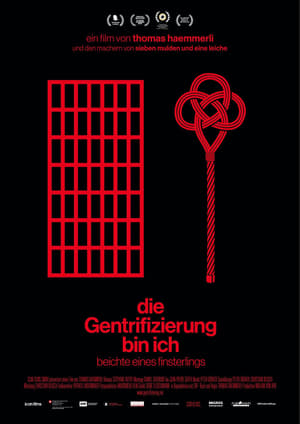
Is the city of Zurich suffering from ‘density stress’? What is it like to live in mega cities such as São Paulo, Mexico City and Tiflis? Filmmaker Thomas Haemmerli broaches the topics of city development, architecture, density, housing market, xenophobia and gentrification from an autobiographical perspective. The path of his life has led him from a childhood in the villa district of Zürichberg, through his teenage years as squatter to flat shares, yuppie apartments and finally second homes in various cities. Only recently having become a dad, he plans to further enhance Zurich’s price appreciation by purchasing a huge, extended city apartment… This multifaceted essay not only humorously questions the filmmaker’s decisions, but also those of the right-wing conservatives, who are afraid of losing their space to immigrants, and the political left, who fail to embrace modern-age architecture.
What happens when we meet in the street? Suddenly, mistakenly, intimately. Estranged, rushed, too much, too little, too late. Smiles, small talk, and promises.
A day in the city of Berlin, which experienced an industrial boom in the 1920s, and still provides an insight into the living and working conditions at that time. Germany had just recovered a little from the worst consequences of the First World War, the great economic crisis was still a few years away and Hitler was not yet an issue at the time.
A portrait of a street corner in flux.
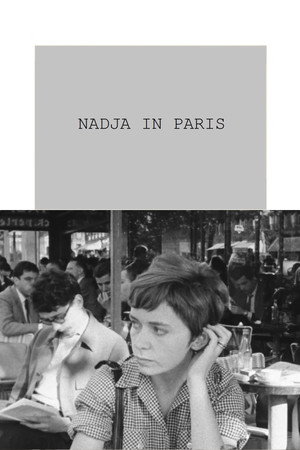
Nadja is a guest student, who stays at Cité Universitaire and visits the Sorbonne, while preparing a thesis on Proust; she also likes to stroll about Paris.
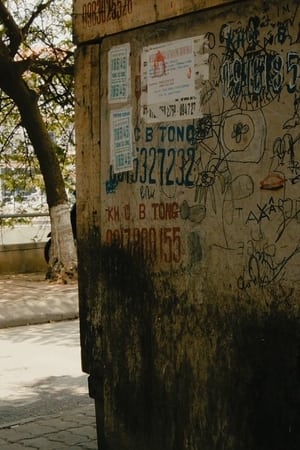
KCBT explores the shifting urban landscape and rapid economic growth of Hanoi, Vietnam through stenciled demolition ads that both visibly mark the entire city and internally mark its residents.
Moulins, du gauche au droit
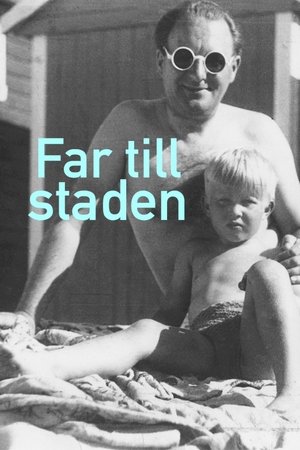
A film about "the father" of Malmö Eric Svenning and how the city has developed during his time.
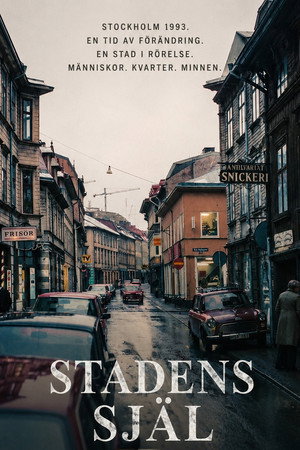
Stadens själ
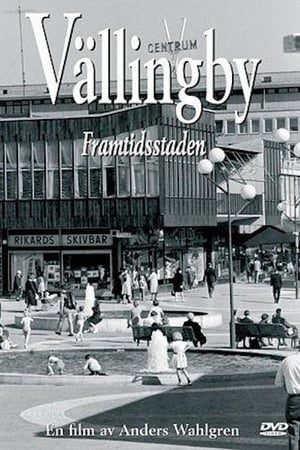
A Swedish documentary about Vällingby.
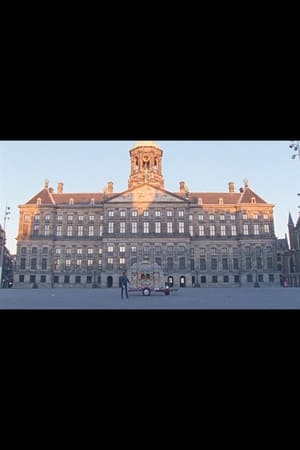
Deserted Streets of Amsterdam
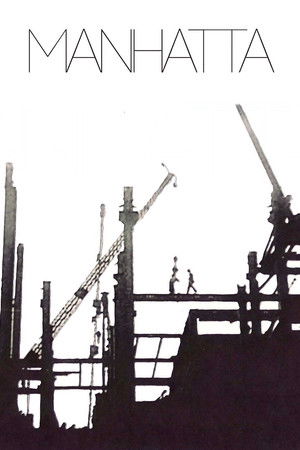
Morning reveals New York harbor, the wharves, the Brooklyn Bridge. A ferry boat docks, disgorging its huddled mass. People move briskly along Wall St. or stroll more languorously through a cemetery. Ranks of skyscrapers extrude columns of smoke and steam. In plain view. Or framed, as through a balustrade. A crane promotes the city's upward progress, as an ironworker balances on a high beam. A locomotive in a railway yard prepares to depart, while an arriving ocean liner jostles with attentive tugboats. Fading sunlight is reflected in the waters of the harbor. The imagery is interspersed with quotations from Walt Whitman, who is left unnamed.
A collaboration between Jem Cohen with writer Luc Sante made in Tangier, Morocco, a city where neither of us had ever been. En route from the airport to the city center, we found ourselves amazed by the landscape outside of the car windows; a massive construction project under way in all directions. While not in itself unusual, we were by struck dumb by the epic scale and seemingly incomprehensible plan of the development and were drawn to return together to this puzzling zone. This project was commissioned by TAMAAS, a small foundation based in Paris, as part of their Tangier project, The 8.
A boat trip in the Helsinki archipelago: images of water, light and people on the cruise. The same people are met in the city in different situations: at work, with their family, in conversations with a circle of friends, meditating and figuring out their duties. Work and aspirations are important and encouraging to them. They all seem to have something personal to say about their time, their views and their imaginations.
A compilation of excerpts from old Helsinki-themed documentaries and new material.
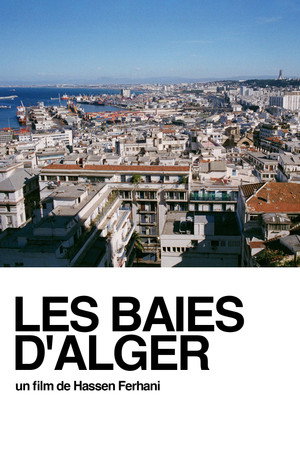
In an extended panoramic view—an "audioscopy" of Algiers—the camera’s eye scrutinizes various buildings and city-center neighborhoods with an intimate approach. "I want to show Algerian society’s openness to the world and to modern means... as well as its contradictions regarding tradition." One might think that filming is merely about capturing images; yet for Hassen Ferhani, filming is first and foremost about welcoming presences—allowing the world to emerge with all its density, fragility, and silences. He does not frame to confine, but to liberate; he frames to offer a space where people, gestures, and voices can find their true rhythm. This kind of cinema dictates nothing: it stands back—attentive and open—allowing itself to be surprised by the most unpredictable aspects of reality, and it is in this act of letting go that beauty is born.