The tropical rainforests of Mexico and Peru. A unique poetic reality. The eternal dance of life and death as experienced by magical creatures of porcelain - animals, birds, insects and flowers – fragile and resilient at the same time.
The peaceful daily routine of father and son is interrupted by an encounter of an unfamiliar boy, different from them in color. An allegory to the phenomena of racism as an acquired cultural epidemic, the story discusses the question of the personal conscience of each of us, versus the education we receive from our families and environment. Can we really insist on our personal belief system, when what we must believe in, is dictated to us? The film presents how easily we acquire fear and hatred of foreigners, as well as how easily we might become the "strangers" and "others" ourselves.
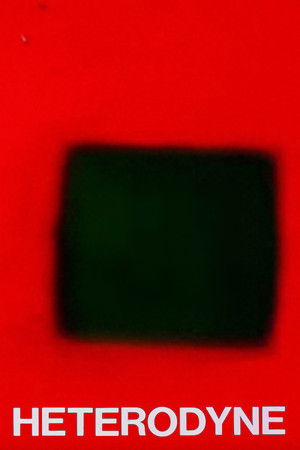
“Geometric animation made entirely by sculptural methods: cutting, punching, welding colored leader. HETERODYNE is related to some of my other work as RNA to a protein or polypeptide. It was made in abject (if blissful) ignorance of Paul Sharits’ early work.” –Hollis Frampton
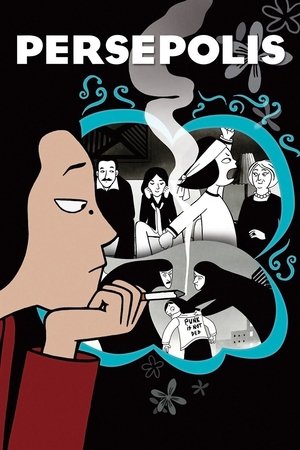
In 1970s Iran, Marjane 'Marji' Satrapi watches events through her young eyes and her idealistic family of a long dream being fulfilled of the hated Shah's defeat in the Iranian Revolution of 1979. However as Marji grows up, she witnesses first hand how the new Iran, now ruled by Islamic fundamentalists, has become a repressive tyranny on its own.
The Boyg is the voice within that whispers go around, preventing you from facing yourself, suffocating progress and initiative. A six minute visual and musical remix of Ibsens Peer Gynt, Norwegian Folklore, Edvard Griegs composition, paralyzing panic attacks and The Great Boyg itself who finds us all.
Ever wonder why Dave is always yelling, "Alvinnn!!!"? What does it take to really drive Dave CRAZY? Is it when Dave is about to say "I do" before the wedding and is then hijacked by Alvin? Is it when Alvin challenges Dave to a duel with water balloons for the hand of his teacher Miss Stone? Is it when Dave accidentally drinks the boys new shrinking potion and is suddenly the size of a peanut? Find out in this fun-filled musical adventure with your favorite troublemaker, Alvin!
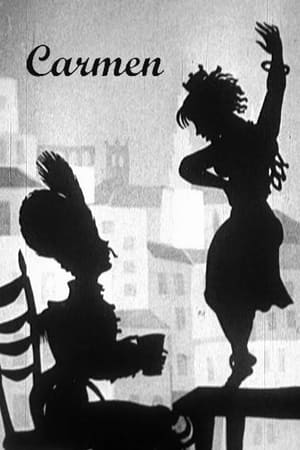
Silhouette film. Based on Bizet’s opera “Carmen”.
The Templeton brothers — Tim and his Boss Baby little bro Ted — have become adults and drifted away from each other. But a new boss baby with a cutting-edge approach and a can-do attitude is about to bring them together again … and inspire a new family business.
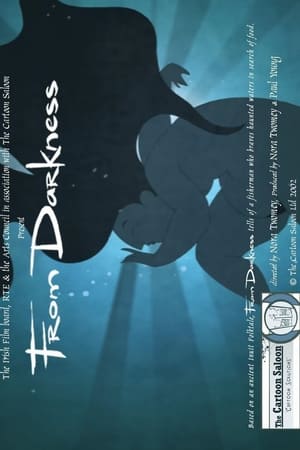
A lonely fisherman drifts into haunted waters in search of food and finds much more than he bargained for. Based on an Inuit folktale.
Rain Dance is a four-minute animation produced by Hill while an undergraduate student at Harvard University from 1988-1992; the exact date of the production is currently unidentified. Although little known, the film is representative of both Hill’s do-it yourself approach – employing character cutouts, strong, yet playful colors, and a narrative and technical simplicity rich with charm – and her jovial demeanor and inquisitive approach to life. The film is dedicated to Elijah Aron, Hill’s boyfriend throughout college. Aron remained close friends with Helen and her husband Paul Gailiunas, and was the godfather of their son Francis.
Inspired by a poem.
A man visits the world's smallest fair, where he learns a valuable lesson about life and poison cotton candy.
A whimsical lesson in love from Helen Hill.
Helen Hill remembers her grandfather just before his death (in part) by a metaphor involving him as a rapidly diminishing mouse.
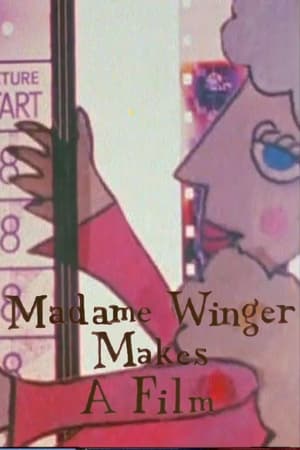
Madame Winger wants you to make a film about something you love. She shows you her favorite low budget filmmaking techniques, from cameraless animation to processing your own film in a bathtub. Filmed in 16 mm.
A tribute to Halifax.
"My last image of Jonas."—Ken Jacobs
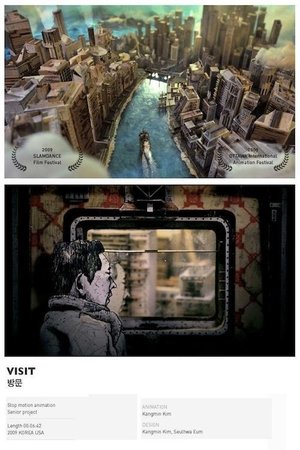
Visit He visits a city. The city already forgot him. The city is still sinking in his dream. The flicking segments of real life and illusion. Only the lighthouse has his memory. But the memory will may be vanished.
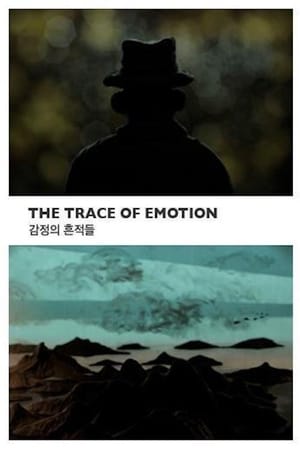
The emotion of people easily changes. It is not easy to define what emotion is. We just feel it. To feel emotion is like to observe nature because nature always changes by time, sun, and wind. When we observe nature, the nature tries to say what our emotion is because the nature leaves the trace of emotion.
Paper sample books discarded and dumpstered by long-gone businesses undergo a series of sequential experiments in pattern, rhythm, colour and text(ure). A call and response of flickering and lingering, this catalogue of catalogues remembers a tactile economy.