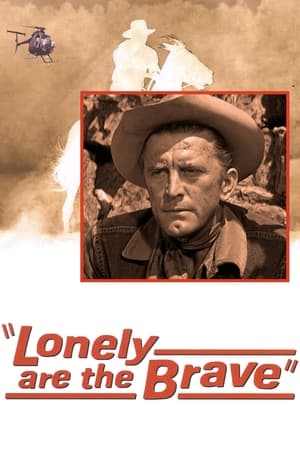
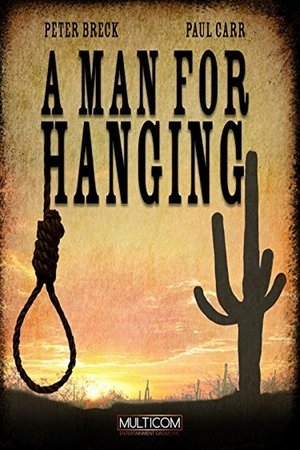
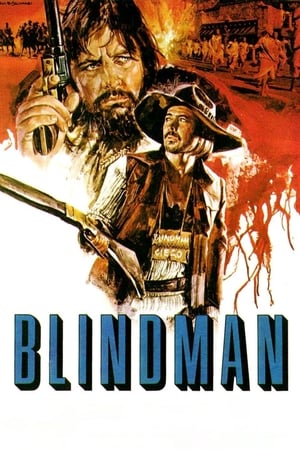
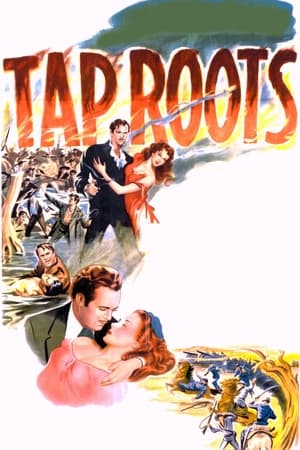
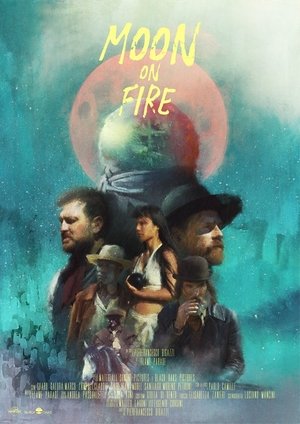
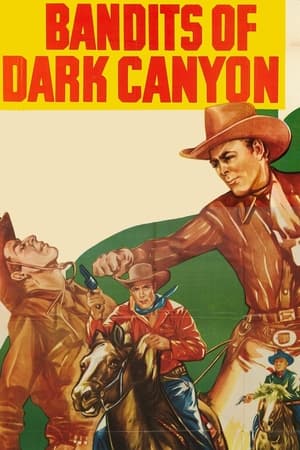
A fiercely independent cowboy arranges to have himself locked up in jail in order to then escape with an old friend who has been sentenced to the penitentiary.
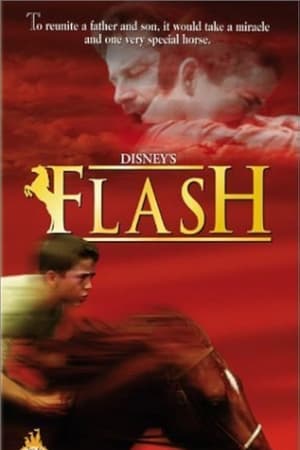
A boy falls in love with a horse named Flash that's for sale. He gets a job to earn the money to buy the horse, but he's forced to sell when the family falls upon hard times.
Dum, the son of a peasant falls in love with Rumpoey, the daughter of a wealthy and respected family. The star-crossed lovers are torn apart for years, but their forbidden love survives. When tragedy strikes, Dum unleashes his rage and becomes the gun-slinging outlaw the "Black Tiger" who will stop at nothing to seek his revenge.
Young cowboy Cyclone Jones falls for pretty Sylvia Billings, who with her sheep-rancher father has just come to town. However, his pursuit of Sylvia runs into some roadblocks, mainly the hostility of the local cattle ranchers to "sheepmen" like her father, whose sheep they believe ravage the range and leave it unusable for their cattle to graze on and who are determined to drive the new arrivals out of town.
A gang of bad men terrorizes the country. Their revenge is directed against the daughter of a rancher who defies the leader. The attempt to abduct the girl is foiled by Jim Bart.
Red Blood and Blue is a 1925 silent Western.
Sporting West is a 1925 silent Western.
Riders of the Sand Storm is a 1925 silent Western.
Stony Brooke, Rusty Joslin and Rico, known as The Three Mesquiteers, return to Oklahoma at the close of the Spanish-American War, and are concerned that some of their wounded buddies have no prospects for a satisfactory future. When the government offers preferred homesteads in the newly-opened Oklahoma territory to war veterans, they send word for their pals to join them there. Once there, the veterans meet a hostile reception as the cattlemen resent the influx of "nesters" and are determined to drive them out. Mace Liscomb and his brother Orv plan not only to drive out the homesteaders, but to also double cross the cattlemen and gain exclusive titles to the range lands for themselves. Stony and his pals eventually show the honest cattlemen that there is room for the settlers and that both are fighting a common enemy. Written by Les Adams
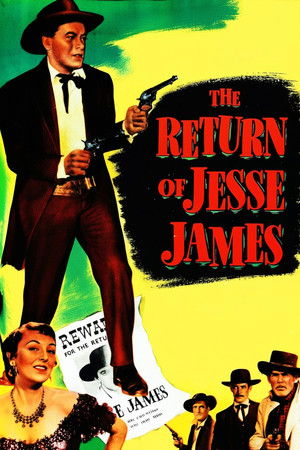
Jesse James and his brother Frank race to secure the family's buried gold as members of the James-Younger gang attempt to steal it, as well as face off with the fames Pinkerton agency.
Not only is Cody cheated out of his valuable property, he also faces trial on a charge of robbery and murder.
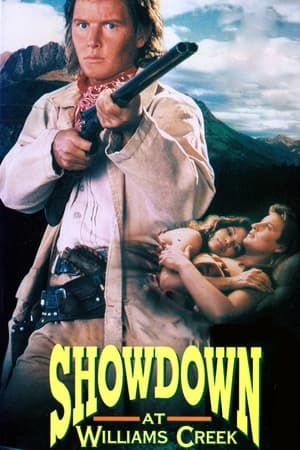
A weary gunfighter attempts to settle down with a homestead family, but a smouldering settler and rancher conflict forces him to act.
As a Civil War veteran spends years searching for a young niece captured by Indians, his motivation becomes increasingly questionable.
Substituting for Allan Lane, who'd been called away to active military service, Bill Elliot stars in the Republic "Red Ryder" western Marshal of Laredo. This time, Red comes to the aid of a frontier lawyer, who is suspected of being an outlaw
Bill Elliot is back as Red Ryder in Cheyenne Wildcat. Also back are Ryder's perennial cohorts Little Beaver (Bobby Blake, later Robert Blake of Baretta fame) and the Duchess (Alice Fleming). When not pummeling the bad guys, Ryder is the reluctant apex of a love triangle.
In this western, Red Ryder tries to be a good example for a young man who idolizes his father, an outlaw. The boy wants to follow in his father's footsteps when the hero intervenes.
End of the Rope is a 1923 Western.
An interesting entry in Republic Pictures' long-running "Red Ryder" B-Western series, this film is not about hardy settlers braving the Colorado winters, as the title would suggest. Instead it's a sort of Reform School Western about a couple of wayward Chicago boys (Billy Cummings and Freddie Chapman) taken in by Ryder's indomitable aunt, "The Duchess" (Alice Fleming.) The boys escaped their very own "Fagin," Bull Reagan (Roy Barcroft), and were given a second chance on the lady's Western ranch. Unfortunately, Reagan returns to do a bit of cattle rustling, once again luring the boys into becoming his accomplices.
In this western, Red Ryder leads a wagon train of homesteaders into a ghost town and discovers that it has become an outlaw's hideout.
California Gold Rush is set in 1849. Ryder heads to Sutter's Mill, where he must contend with claim-jumping and treachery.