Automation in the Czechoslovak automotive industry
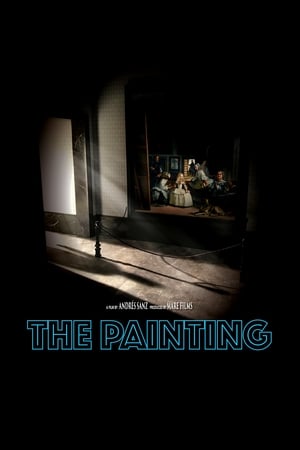
For three and a half centuries, from the same day that Diego Velázquez (1599-1660) applied his last brushstroke to the canvas, the enigma of “Las meninas, o La familia de Felipe IV” (1656) has not been deciphered. The secret story of a painting unveiled as if it was the resolution of a perfect crime.
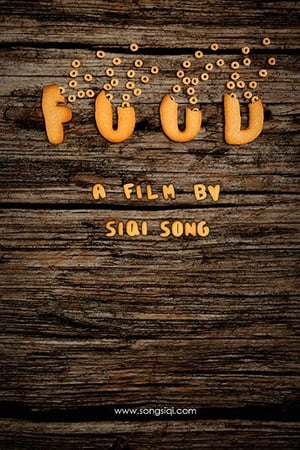
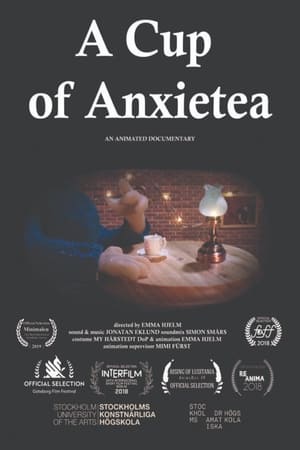
This is an animated documentary about FOOD! I interviewed vegetarian, vegan, pescetarian and meat eater about their opinions about food and life choices. Then I animate real food with stop-motion technique based on the interviews. By putting the conversations in different context, the food speak for themselves.
The Aletsch Glacier is the longest and largest glacier of the Alps. According to glaciologists, most glaciers will have disappeared by the end of this century, and only bits of the Aletsch will remain. Through a journey into the body of the glacier the film offers a compelling and unsettling visual experience in which our perception of the nature of the images we see, scale and temporality are questioned.
When Tehran hosts visiting foreign dignitaries, the local authorities clean up the city’s urban image through the controversial process of ‘urban beautification’. Those who are deemed unsavoury are rounded up – drug users, prostitutes and the homeless who sleep in cardboard boxes on sidewalks and who they would rather remain unseen. When these very important people leave, the men are released but the women are kept as wards of the state. An animated documentary made using hand-crafted cardboard miniatures and the voices of women to tell their story, one that has been five years in the making. A story that shows how the face of a city can change, but what is underneath often does not.
70-year-old Timo makes the most of his short ride to work. Speeding up on a bicycle ends up in a ditch, but the adrenaline rush leaves a feeling of pleasure.
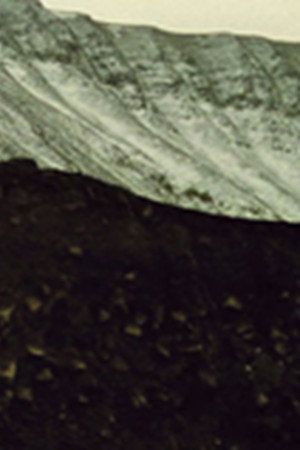
"Adrift" is shot on the arctic island of Spitzbergen and in Norway. It combines time-lapse photography with stop-motion animation of the landscape. Through camera-angles and framing the film gradually dislocates the viewer from a stable base where one loses the sense of scale and grounding.
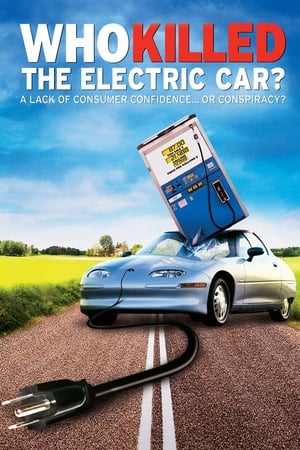
In 1996, electric cars began to appear on roads all over California. They were quiet and fast, produced no exhaust, and ran without gasoline... Ten years later, these cars were destroyed.
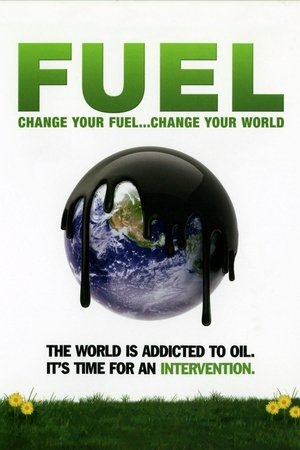
Record high oil prices, global warming, and an insatiable demand for energy: these issues define our generation. The film exposes shocking connections between the auto industry, the oil industry, and the government, while exploring alternative energies such as solar, wind, electricity, and non-food-based biofuels.
A collection of trailers from various "B" dinosaur and creature movies spanning though out film history, but mostly focusing on the drive-in type films of the 1950's, 60's, 70's and early 80's.
A mother’s hope chest becomes a catalyst for her daughter’s reconsideration of traditional gender roles in this charming stop-motion animation.
A stop-motion adaptation of the 1981 novel by geologist Dougal Dixon of the same name, which explores the speculative paths of evolution of modern animals into the far future.
PUMP is a documentary that tells the story of America’s addiction to oil, from its corporate conspiracy beginnings to its current monopoly today, and explains clearly and simply how we can end it — and finally win choice at the pump. Today, oil is our only option for transportation-fuel at the pump. Our exclusive use of it has drained our wallets, increased air pollution and sent our sons and daughters to war in faraway lands. PUMP shows how, through the use of a variety of replacement fuels, we will be able to fill up our cars — cheaper, cleaner and American made — and in the process create more jobs for a stronger, healthier economy. Narrated by Jason Bateman and featuring notable experts such as John Hofmeister former President of Shell Oil, and Elon Musk, the CEO of Tesla Motors, PUMP will forever change the way you think about your car — and the fuel that powers it.
The stair of steps appear checkerboard room. Conflict between a young man tries to fit the situation and the stickman ridicules him.
This 1971 color anti-drug use and abuse film was produced by Concept Films and directed by Brian Kellman for Encyclopedia Britannica. “Weed: The Story of Marijuana” combines time-lapse, montage, illustrations, animation (by Paul Fierlinger and emigre Pavel Vošický) and dramatized, documentary-style interviews to survey the evolving role of cannabis in U.S. society, with emphasis on the legal risks faced by young people. A unique score of experimental synthesizer music is provided by Tony Luisi on an EMS VCS 3 “Putney”
Plánování plynulé výroby
Two students from the Czech Film Academy commission a leading advertising agency to organize a huge campaign for the opening of a new supermarket named Czech Dream. The supermarket however does not exist and is not meant to. The advertising campaign includes radio and television ads, posters, flyers with photos of fake Czech Dream products, a promotional song, an internet site, and ads in newspapers and magazines. Will people believe in it and show up for the grand opening?
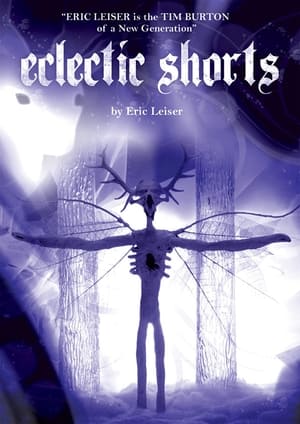
Eric Leiser displays his boundless creativity in this short collection; A stunning compilation of works presented with a mixture of live action, stop motion animation, puppetry and pixilation techniques, produced between 2001 and 2006.
A tribute to stopmotion supremo and special effects genius extraordinaire Ray Harryhausen, the man behind some of cinema's greatest fantasy films - The Beast From 20,000 Fathoms, The Seventh Voyage of Sinbad, Jason & The Argonauts and One Million Years BC. Featuring exclusive footage of Harryhausen at work on his first stopmotion for over 20 years, and contributions from many of Hollywood's top special effects directors and creators.
Stop-motion animation on the arranging of marriages in 1950/60s set in the Eastern-Polish borderland. The script is based on a part of Mikołaj Smyk's diary, the director's grandfather. The biographical objects used in the animation, such as an authentic headscarf, Polish and Russian books, the copy of Mikołaj Smyk's diary and photographs help situate the story in its original environment.