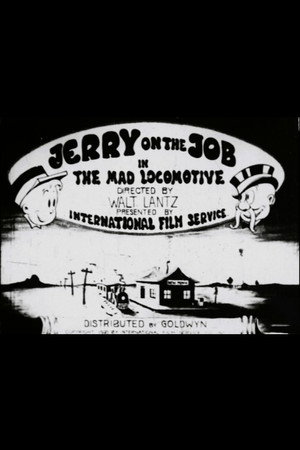
When the New Monia station is overrun with mice, Mr. Givney can only shoot them one at a time, but Jerry uses a flute to lure them out, "Pied Piper of Hamlin" style.
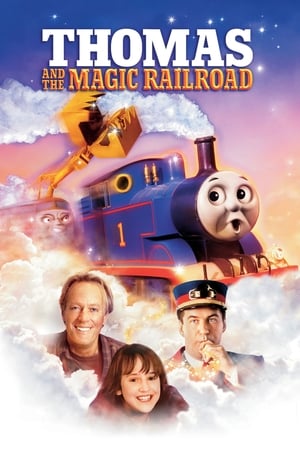
This one is amusing in its early use of the rubber tire school of animation as Mr. Givny informs Jerry that they are out of coal for the train. The passengers who appear behave amusingly and when the train itself takes on anthropomorphic life, it makes its own sense -- outrageous for the day, even if slightly banal for fans of "Thomas the Engine".
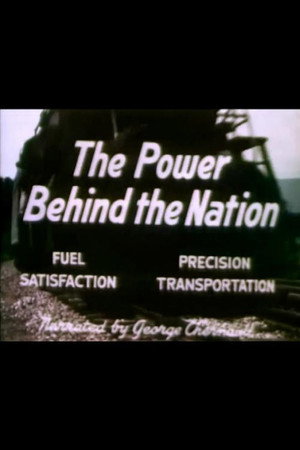
This cartoon propaganda short by Halas & Batchelor sweetens the pill of post-war coal prices by promising jam tomorrow.
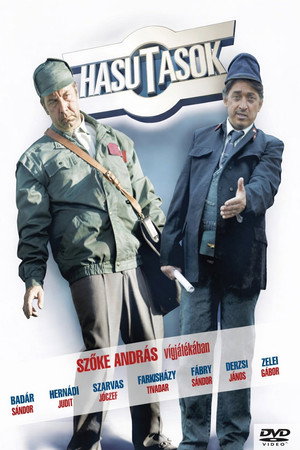
Four good old friends - all railwaymen until the change of regime - will be the victims of the cutbacks. Many years later, when the old station has been removed by thieves, the former stationmaster of Honos village, Lajos Zsuzsa, receives a notice from the town to go to the station office. Lajos Zsuzsa, in order to get the four friends occasionally back to work, lies that the station still exists and that they are able to carry out their duties.
When Mr. Givney says business at the railroad station is "too slow" to let him take vacation time, Jerry has an idea to increase ticket sales.
Jerry Flannigan and Mr. Givney encounter some bellicose mosquitoes.
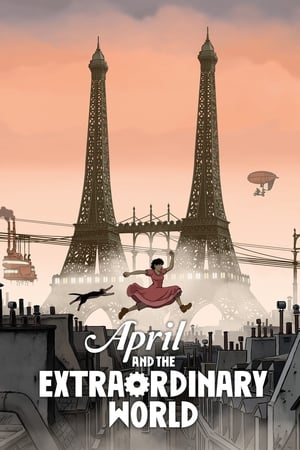
It's 1941, but France is trapped in the 19th Century, governed by steam and Napoleon V. Avril, a teenage girl, goes in search of her missing scientist parents.
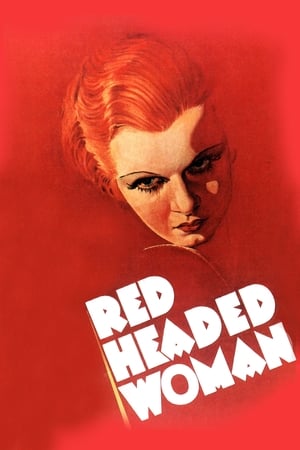
Lil works for the Legendre Company and causes Bill to divorce Irene and marry her. She has an affair with businessman Gaerste and uses him to force society to pay attention to her.
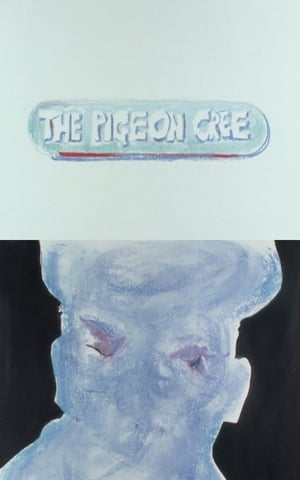
A pastel animation produced by Sheila Graber and based upon the short story by Sid Chaplin. Narrated by north east broadcaster Mike Neville the film tells the story of Geordie, a miner, and his love for his pigeons and the trials and tribulations of his passion which is very popular around the region. The face of Sid Chaplin is used as Geordie.
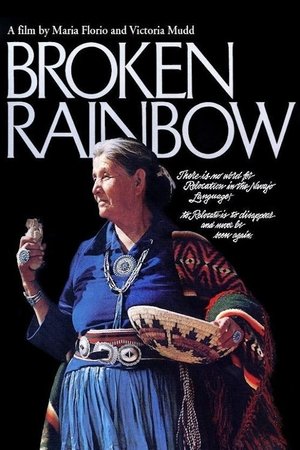
Documentary chronicling the government relocation of 10,000 Navajo Indians in Arizona.
On the morning of his wife’s funeral, an elderly, retired, industrial tycoon awakens to discover that there is more than one corpse on his estate.
1940s British realist film about the life and struggles of a family in a Welsh mining town.
In the heart of New York City stands Grand Central Terminal. Explore the magnificent secrets of this iconic landmark as we take you inside the heart, soul and amazing engineering of this superstructure. From railroad cars to rush hours, we unlock the colorful tales of its past, present and future.
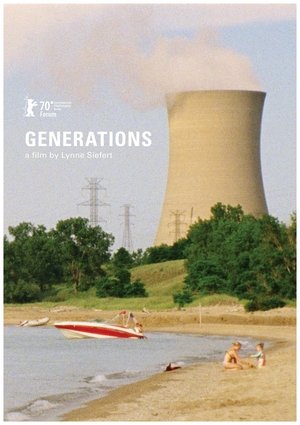
Thirteen static shots of coal-fired power stations across the United States, seen in rural landscapes, urban settings, sun or cloud and at all times of year. Whatever the location or season, there’s always at least one chimney belching out fumes.
A railway stationmaster at a dying end-of-the-line village in Hokkaido is haunted by memories of his dead wife and daughter. When the railroad line is scheduled to be closed, he is offered a job at a hotel, but he is emotionally unable to part with his career as a railroader. His life takes a turn when he meets a young woman with an interest in trains who resembles his daughter.
Capturing Americans in communities across the country as they wrestle with the legacy of the coal industry and what its future should be under the Trump Administration. From Appalachia to the West’s Powder River Basin, the film goes beyond the rhetoric of the “war on coal” to present compelling and often heartbreaking stories about what’s at stake for our economy, health, and climate.
Join the working men of a northern powerhouse: on the job in Gateshead workshops and at the long wall of a Northumberland pit.
African-American Philadelphia police detective Virgil Tibbs is arrested on suspicion of murder by Bill Gillespie, the racist police chief of tiny Sparta, Mississippi. After Tibbs proves not only his own innocence but that of another man, he joins forces with Gillespie to track down the real killer. Their investigation takes them through every social level of the town, with Tibbs making enemies as well as unlikely friends as he hunts for the truth.
Time-travel to a 1940s classroom with this exemplary educational film.
“…It is a film that tells in hurried film sequences and a resonant musical score juxtaposing the sublime, funereal despair of Bartok agains tthe gut-bare tones of folk music. Gates has through his filming technique and meticulously selected mining sites, captured all the outrage and sorrow and indignity to the land and its people that strip mining represents. The film is one that all Americans should see, for it shows extremely well the price we have to pay for strip mined coal.” - Dale A. Burk, The Montana “Missoulian”