At age 29, documentary filmmaker Sara Lamm discovered that she was conceived via sperm donor. Using her skills as an investigator she decides to dig ever deeper to uncover where half of her DNA comes from.
We all know Curious George. But what about his creators, Hans and Margret Rey? From fleeing Nazi Germany on handmade bicycles to encounters with exotic animals in Brazil, the Reys lived lives of adventure that are reflected in the pages on one of the most treasured children’s book series of all time.
A chronicle of the production problems — including bad weather, actors' health, war near the filming locations, and more — which plagued the filming of Apocalypse Now, increasing costs and nearly destroying the life and career of Francis Ford Coppola.
A day in the life of Mozambican women refugees working in a quarry outside Dar es Salaam.
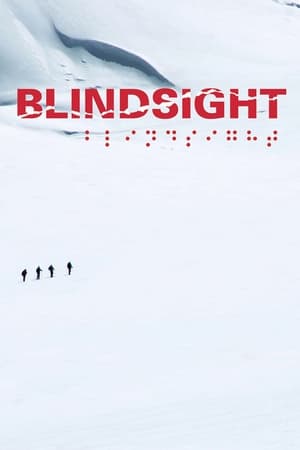
Six blind Tibetan teenagers climb the Lhakpa-Ri peak of Mount Everest, led by seven-summit blind mountain-climber Erik Weihenmayer.
Margaret Tait documents her house, studio and garden in Buttquoy, Orkney as the seasons pass. She had lived there from the age of seven and often returned. At the time of filming, the house was about to be taken back by the council - this film is an effective 'goodbye'. Margaret Tait said it 'was meant to define a place, or the feeling of being in one place, with the sense this gives one, not of restriction but of the infinite variations available.'
They're clean, educated, articulate and rarely receive public assistance. But following a divorce, job loss or a long illness, a growing number of middle-class women are forced to live out of their cars. Directed by Michèle Ohayon (Colors Straight Up) and narrated by Jodie Foster, It Was a Wonderful Life chronicles the hardships and triumphs of six "hidden homeless" women as they struggle to survive, one day at a time.
Norman Mailer and a panel of feminists — Jacqueline Ceballos, Germaine Greer, Jill Johnston, and Diana Trilling — debate the issue of Women's Liberation.
Two actresses take us through a series of 'raps' and sketches about what it means to be beautiful and black.
Dance for All
Re-framing the U.S. gun violence debate from Second Amendment rights to public health prevention.
Explores the lives of Sara, Gigi and Giovanna, three Latino transvestites who for years have lived on the streets of Manhattan supporting their drug addictions through prostitution. They made their temporary home inside broken garbage trucks that the Sanitation Department keeps next to the salt deposits used in the winter to melt the snow. The three friends share the place known as "The Salt Mines".
Ricardo was once Sara, a homeless HIV positive transvestite, living in the underbelly of Manhattan. Today he is a churchgoing, married man, "saved" by a Dallas ministry. He has renounced his homosexuality, but is his conversion complete? Susana Aiken and Carlos Aparicio offer an intimate look at Ricardo's transformation.
Three homeless teenagers brave Chicago winters, the pressures of high school, and life alone on the streets to build a brighter future.
Underwater Dreams, narrated by Michael Peña, is an epic story of how the sons of undocumented Mexican immigrants learned how to build underwater robots. And go up against MIT in the process.
Stop-motion animation on the arranging of marriages in 1950/60s set in the Eastern-Polish borderland. The script is based on a part of Mikołaj Smyk's diary, the director's grandfather. The biographical objects used in the animation, such as an authentic headscarf, Polish and Russian books, the copy of Mikołaj Smyk's diary and photographs help situate the story in its original environment.
Per Persson left Sweden 40 years ago. In Pakistan he fell in love and became the father of two daughters. Trouble starts when the girls grow up and the family decides to emigrate to Sweden. When they end up living in a caravan outside Hässleholm, all their expectations are dashed.
Les ludions
Short film on the cattle industry and movement of cattle along the production line.
Kristina, a self-named Hungarian female lion tamer, arrives in New York to become a dance choreographer. Kristina, now a middle-class NYC artist concerned about the environment, has a sailor lover named Raoul. The film, a collage work, an essay film, a fictional narrative and a documentary all rolled into one, is one of the most important independent American feminists films made during the 1970's.