Druids have existed far longer than hitherto assumed, since the 4th century BC. Their traces are found all over middle Europe: from the northern Balkans to Ireland. Their cultural achievements were equal in almost every way to those of the Romans and Greeks: They could read and write and spoke Greek and Latin - for centuries, they were the powerful elite of their culture. Only one single Druid is known by name to history: Diviciacos - an aristocrat of the Aedui and personal friend of Julius Caesar. Diviciacos was a politician, a judge and a diplomat, but he lived at a time when the Celtic lands of Gaul were conquered by the Romans. Greek and Roman contemporaries distrusted the actions of this forbear of the famous comic book druid Getafix: They imagined him in bloody rituals in somber woods.
Documentary showing a couple of photographers driving for 35 days, leaving Brazil for Ushuaia.
Light Breaks Where No Sun Shines
In 17th-century Transylvania, an impulsive young ruler's hunger for glory sows chaos as neighboring powers and scheming courtiers vie for influence.
WORDS FROM HOME is a poetic documentary that explores the kinds of affection and identity in the portuguese language spoken in Brazil. Through migrants' stories and their reflections, the movie reveals how expressions, accents and memories form emotional and cultural bonds, showing how speaking connects us, differentiates us and, above all, brings us closer together.
An intimate look at the Woodstock Music & Art Festival held in Bethel, NY in 1969, from preparation through cleanup, with historic access to insiders, blistering concert footage, and portraits of the concertgoers; negative and positive aspects are shown, from drug use by performers to naked fans sliding in the mud, from the collapse of the fences by the unexpected hordes to the surreal arrival of National Guard helicopters with food and medical assistance for the impromptu city of 500,000.
The 10-year struggle of the families who lost their children from the Sewol Ferry Disaster.
The individual journeys of the four members of the band, as they move through the music scene of the 1960s, playing small clubs throughout Britain and performing some of the biggest hits of the era, until their meeting in the summer of 1968 for a rehearsal that changes their lives forever.
The once most magnificent imperial city in China is located in what is now Fengyang. The first city of the Ming dynasty was a model for all those who followed - including Beijing. After around 600 years underground, the ruined city is now being excavated again. Archaeologists, researchers, historians and workers are following in the footsteps of a bygone era and gaining new insights into the fate of a mysterious city every day.
With a maddening sensuality, the unforgettable actress of the film "A Special Day" embodies the golden age of Italian cinema. From the suburbs of Naples to Hollywood, this biographical documentary looks back at the flamboyant career and destiny of Sophia Loren.
This documentary delves into the mysteries surrounding the Neanderthals and what their fossil record tells us about their lives and disappearance.
The Victorian era is often cited for its lack of sexuality, but as this documentary reveals, the period's artists created a strong tradition surrounding the classical nude figure, which spread from the fine arts to more common forms of expression. The film explains how 19th-century artists were inspired by ancient Greek and Roman works to highlight the naked form, and how that was reflected in the evolving cultural attitudes toward sex.
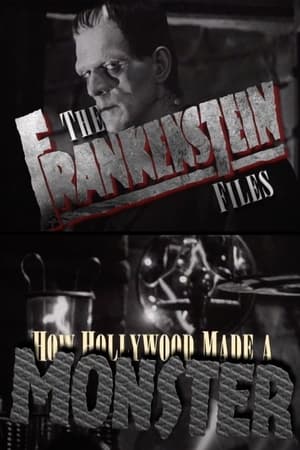
Behind-the-scenes footage, rare screen tests and insightful interviews highlight this engrossing two-hour look at one of Hollywood's greatest dream factories. Such film luminaries as Tom Hanks, William Friedkin, George Lucas, Oliver Stone and Robert Altman discuss their work at the studio. Clips include scenes from Butch Cassidy and the Sundance Kid, Patton, Young Frankenstein, Star Wars, Alien, Big, Home Alone, Die Hard and dozens more.
The story of Russian writer and Soviet dissident Aleksandr Solzhenitsyn (1918-2008) and his masterpiece, The Gulag Archipelago, published in Paris in 1973, which forever shook the very foundations of communist ideology.
Is My Living in Vain is a meditation on the continuing history and emancipatory potential of the Black church as a space of belonging, affirmation and community organising. Combining shot footage, oral histories and archive material from both sides of the Atlantic, the film follows a tangled thread of personal and collective memories to interrogate the church’s contribution to a Black radical tradition.
Documentary about the making of Sam Peckinpah's 1971 film "Straw Dogs."
Cruelty, psychological and sexual violence, humiliations: reality television seems to have gone mad. His debut in the early 2000s inaugurated a new era in the history of the audio-visual. Fifty years of archives trace the evolution of entertainment: how the staging of intimacy during the 80s opened new territories, how the privatization of the biggest channels has changed the relationship with the spectator. With the contribution of specialists, including philosopher Bernard Stiegler, this documentary demonstrates how emotion has made way for the exacerbation of the most destructive impulses.
Deep Throat, a pornographic film directed by Gerard Damiano, a film-loving hairdresser, and starring Linda Lovelace, a shy girl manipulated by a controlling husband, was released in 1972 and divided audiences, who began to talk openly about sex, desire and female pleasure; but also about violence and abuse; and about pornography, until then an almost clandestine industry, as a revolutionary cultural phenomenon.
The 60s was the birth and ascension of the French New Wave. Characterised as an avant-garde film movement and created by directors like Godard and Varda, it give birth to iconic actors such as Bardot and Belmondo.
This short film is part of Karpo Aćimović Godina's experimental and documentary work in 1970s Yugoslav cinema. It extends his interest in regional identities, minorities, and the visual traces left by different cultures on Yugoslav territory. The film offers a journey through examples of architecture, decor, and objects related to Islamic tradition in the former Yugoslavia, such as mosques, ornamental elements, and calligraphy. It explores how this art is embedded in the region's history and in the daily lives of the communities that produced it. It is an observational film, without a dramatic plot, functioning primarily as a "visual essay" on the material culture of Islam in a Balkan context. The tone is analytical and contemplative, closer to a cultural study or a poetic inventory.