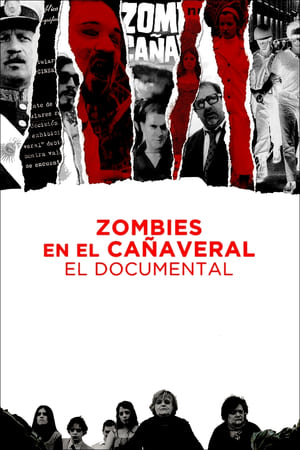
Tucumán, Argentina, 1965. Three years before George A. Romero's Night of the Living Dead was released, director Ofelio Linares Montt shot Zombies in the Sugar Cane Field, which turned out to be both a horror film and a political statement. It was a success in the US, but could not be shown in Argentina due to Juan Carlos Onganía's dictatorship, and was eventually lost. Writer and researcher Luciano Saracino embarks on the search for the origins of this cursed work.
An overview of the iconic actresses' legendary careers, as well as the rivalry that colored "What Ever Happened to Baby Jane?"
After starting his career producing religious film shorts, J. Arthur Rank went on to become Britain's first and only movie mogul with his establishment of the legendary Pinewood Studios. Narrated by Michael Caine, THE GOLDEN GONG chronicles Pinewood's rise to success.
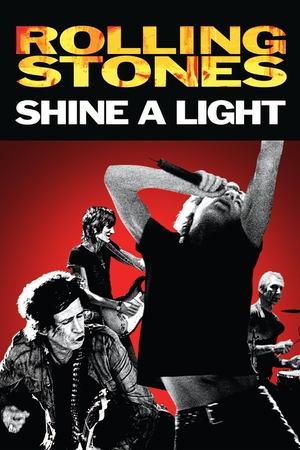
Martin Scorsese’s electrifying concert documentary captures The Rolling Stones live at New York’s Beacon Theatre during their A Bigger Bang tour. Filmed over two nights in 2006 with an all-star team of cinematographers, the film combines dynamic performances with archival footage and rare glimpses behind the scenes, offering a vibrant portrait of the band’s enduring energy and legacy.
Documentary about the making of Twin Peaks: Fire Walk With Me.
A documentary on the collaboration of filmmaker Sacha Guitry and actor Michel Simon focusing on the film "La Poison" (1951).
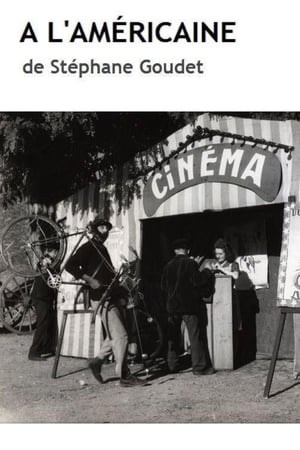
Documentary analysis of French director Jacques Tati's 1949 film "Jour de fete". Goudet tracks the evolution of Tati’s comedy stylings, from their origins in the short films where he first appeared through his ambitious feature productions.
Episode of the French television series "Cinéma Cinémas" which documents the discovery of the negatives that led to the completion of the color version of Jacques Tati’s 1949 film "Jour de fête".
An interview with American director, Anthony Mann. This documentary was first seen as episode 8 of the BBC TV series "The Movies." (A 17-minute excerpt from this show appears on the Criterion Collection's release of "The Furies.")
Documentary about the life and career of Swedish film director Jan Troell.
Interview with director Louis Malle conducted by Wallace Shawn, produced for the BBC-TV programme "Arena".
Two-part documentary about French director Jacques Tati chronicles the evolution of the filmmaker's alter ego, Monsieur Hulot, through archival interviews, on-set footage, photos, and film clips.
An analysis of French director Jacques Tati's 1957 film "Mon oncle" which discusses the stylistic similarities between it and the other Monsieur Hulot films.
Interview with Jacques Tati on the set of his 1967 film "PlayTime". Produced for the British television program "Tempo International".
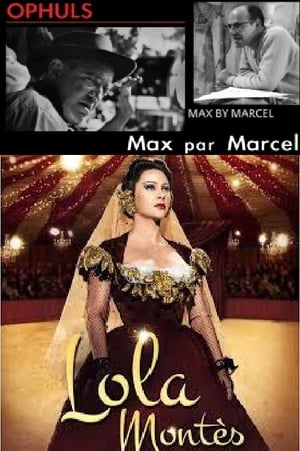
In a series of four documentaries, Marcel Ophuls pays tribute to his father Max, and in this last one discusses his role as an assistant director on "Lola Montès".
Documentary about the 1942 British film "In Which We Serve" directed by David Lean and Noël Coward.
How are the sex scenes filmed? What tricks are used to fake the desire? How do the interpreters prepare and feel? Spanish actors and directors talk about the most intimate side of acting, about the tricks and work methods when narrating exposed sex. In Spain the general rule is that there are no rules. Each film, each interpreter, faces it in very different ways.
Documentary featuring interviews with several of legendary Spanish director Luis Buñuel’s close friends and collaborators.
A 60-minute salute to American International Pictures. Entertainment lawyer Samuel Z. Arkoff founded AIP (then called American Releasing Corporation) on a $3000 loan in 1954 with his partner, James H. Nicholson, a former West Coast exhibitor and distributor. The company made its mark by targeting teenagers with quickly produced films that exploited subjects mainstream films were reluctant to tackle.
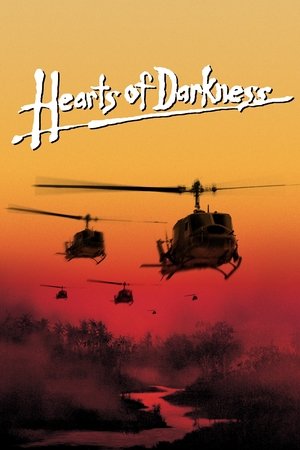
A chronicle of the production problems — including bad weather, actors' health, war near the filming locations, and more — which plagued the filming of Apocalypse Now, increasing costs and nearly destroying the life and career of Francis Ford Coppola.