Stories of three women who have been living in Itaewon, Seoul, Korea since the era that the town was run by U.S dollars of the U.S. Army.
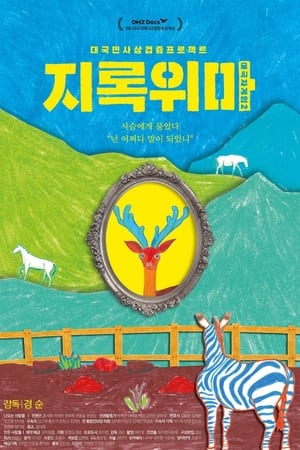
This is not a Documentary 2
Numerous people are on subway trains running up and down the city center endlessly. There are people who run this decent space “underground”. Under the noisy world today, we approach them to see what life is like underground.
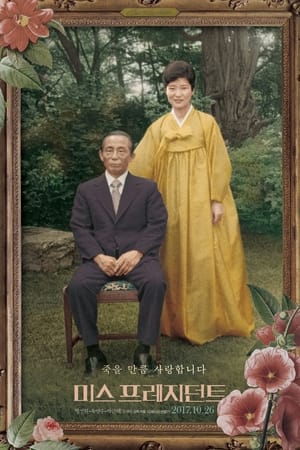
The film traces PARK Geun-hye's life back to the 1970s, when the leader-follower relationship began between PARK, who became the first lady of the Yushin regime, and CHOI Taemin, the leader of a pseudo-religion. It then examines the Sewol ferry incident, CHOI Soonsil Gate, candlelight rallies, and finally the impeachment.
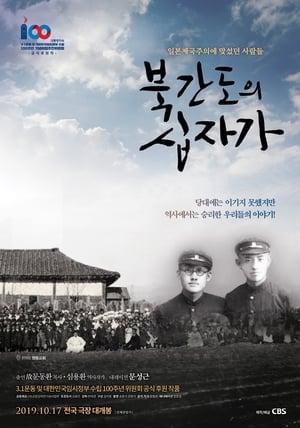
The Christians of North Gando lose their country and leave their hometown, but gain the Gospel. The cross they hold in their hands is the symbol of daring for independence and a royal summon of the generation they have to endure. Historian Sim Yo Han retraces the footsteps of the late Father Moon Dong Hwan and finds meanings of the anti-Japanese independence movement hidden in various parts of North Gando.
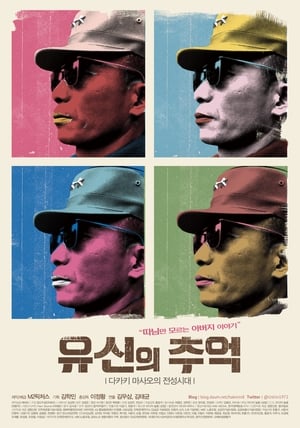
Remembrance Of Yusin
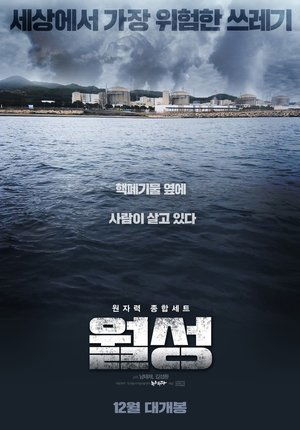
Wolsong: Vanishing Town
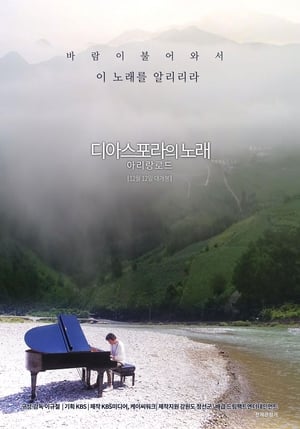
During the Japanese occupation period, Koreans were forced to deport or drafted to work in other countries. Now 150 years passed, it appears around 7million of those people and their families are spread in 170 countries. There, a world-famous Korean-Japanese musician Yang Bang Ean follows the pathways of Korean diasporas as an inspiration, and performs his cross over music concert called ‘ARIRANG ROAD’.
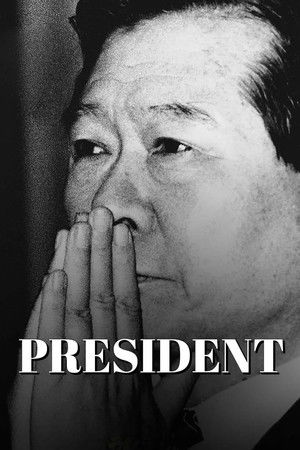
This documentary celebrates the life of former President Kim Dae-joong, who fought for democracy in South Korea and peace in the Korean Peninsula. It marks the 10th anniversary of his passing and covers his challenging journey, from his childhood on an island to his imprisonment, exile, near-death experiences, and ultimately becoming the president.
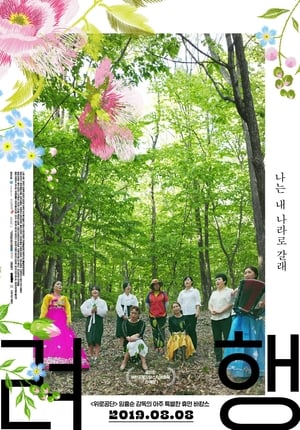
A group of women climbs a summer mountain situated in South Korea. They are refugees who have settled into South Korean society after fleeing from North Korea. For them, climbing the mountains has been an unavoidable journey for survival - a matter of life and death.
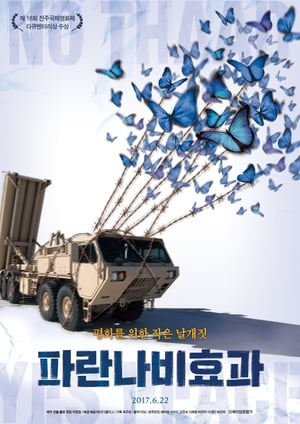
The small county of Seongju staged protests against the THAAD. Young mothers led protests from concerns about their kids and the exposure to radiation. Gradually, they learn the system is faulty.
My father led a coup in 1961. Two years later, I became the president's daughter.
Eunmi, a woman who underwent intense anti-communist education while she grew up in South Korea, lives a normal life in America. However, after going on a trip to North Korea with her husband, her life begins to change. During an open forum event in South Korea, where she was invited to speak, she suffers the unimaginable, and the more she tries to escape from the situation, the worse and worse it gets.
The story of the ancient and sacred Gureombi Rock. The story of the people of Gangjeong Village who rise up against the construction of a US/Korea Naval base on their holy and precious land. The winds of peace, like the winds of Jeju Island, are blowing.
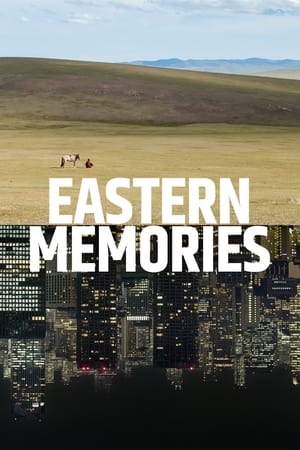
At the turn of the 19th and 20th century Finnish philologist G. J. Ramstedt travelled around Mongolia and Central-Asia. In this documentary Ramstedt’s memoirs are heard in the modern day setting, where tradition is replaced with hunger for money, and deserts give way to cities.
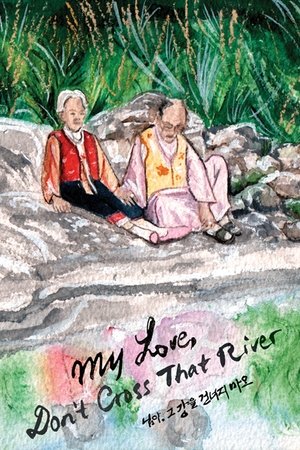
There lives a couple known as "100-year-old lovebirds". They're like fairy tale characters: the husband is strong like a woodman, and the wife is full of charms like a princess. They dearly love each other, wear Korean traditional clothes together, and still fall asleep hand in hand. However, death, quietly and like a thief, sits between them. This film starts from that moment, and follows the last moments of 76 years of their marriage.
Interpreting an event of ROKS Cheonan corvette, torpedoed and sunken by North Korea, this documentary rebuilds the event with a different insight. No one can tell if the investigation of Cheonan has reached compelling conclusion. But the film tells and reveals how unreasonable Korean society is.
Documentary directed by Tom Kleespie inspired from Korean War veterans who recall memories both painful and patriotic, putting a human face on an often forgotten conflict. Stories include wartime recollections, such as one soldier's first moments seeing a MiG fighter up close, and veterans' often-tragic experiences returning home, where Americans largely neglected to welcome them back.
In 1966, Deann Borshay Liem was adopted by an American family and sent from Korea to her new home in California. There, the memory of her birth family was nearly obliterated, until recurring dreams led her to investigate her own past, and she discovered that her Korean mother was very much alive. Bravely uniting her biological and adoptive families, Borshay Liem embarks on a heartfelt journey in this acclaimed film that first premiered on POV in 2000. First Person Plural is a poignant essay on family, loss and the reconciling of two identities.
They're called bar women, hostesses, or sex workers and "western princesses." They come from poor families, struggling to earn a decent wage, only to be forced into the world's oldest profession. They're the women who work in the camptowns that surround U.S. military bases in South Korea. In 40 years, over a million women have worked in Korea's military sex industry, but their existence has never been officially acknowledged by either government. In The Women Outside, a film by J.T. Orinne Takagi and Hye Jung Park, some of these women bravely speak out about their lives for the first time. The film raises provocative questions about military policy, economic survival, and the role of women in global geopolitics