Marijuana is the most controversial drug of the 20th Century. Smoked by generations to little discernible ill effect, it continues to be reviled by many governments on Earth. In this Genie Award-winning documentary veteran Canadian director Ron Mann and narrator Woody Harrelson mix humour and historical footage together to recount how the United States has demonized a relatively harmless drug.
An intimate look at the Woodstock Music & Art Festival held in Bethel, NY in 1969, from preparation through cleanup, with historic access to insiders, blistering concert footage, and portraits of the concertgoers; negative and positive aspects are shown, from drug use by performers to naked fans sliding in the mud, from the collapse of the fences by the unexpected hordes to the surreal arrival of National Guard helicopters with food and medical assistance for the impromptu city of 500,000.
Documentary about Tommy Chong's federal prosecution under the Bush administration for selling bongs over the Internet.
Determined to find out the true effects of marijuana on the human body, stand-up comedian and former Stoner of the Year Doug Benson documents his experience avoiding pot for 30 days and then consuming massive amounts of the drug for 30 days. More than just an amusing story of one man's quest to get superhigh, this documentary also examines the hotly contested debate over medical marijuana use.
High up in the Northern California mountains there is a place, where not too many get to visit. Its called - The Emerald Triangle, real mecca of Americas cannabis game. Follow a ukrainian journalist Luka on a journey that explores lifes of real growers and hustlers and the dangers that come with it.
The transcript discusses the prevalent drug culture, particularly marijuana use, among youth in national parks. It highlights the perception that marijuana is less harmful than harder drugs and reflects on the challenges park rangers face in enforcing drug laws. While acknowledging the existence of drug trafficking, the narrative emphasizes that marijuana use is often seen as a minor issue compared to alcohol consumption or harder narcotics. The conversation also touches on the need for a more nuanced understanding of drug use, suggesting that current laws may be overly stringent and not reflective of societal attitudes.
This film presents a series of extemporaneous interviews with teenagers and young adults who have taken narcotics for "kicks," "association," or "curiosity." Residents of the California Rehabilitation Center relate how they were introduced to narcotics, why they wished they had not used drugs or narcotics, and what the future holds for them. Film is shot in Hollywood, Calif.
The Culture High tears into the very fibre of the modern day marijuana debate to reveal the truth behind the arguments and motives governing both those who support and oppose the existing pot laws.
“Use Your Eyes” is a police training film produced by the Alhambra Police Department, California, in 1970. It is intended to demonstrate to police officers how to search a residence for evidence of marijuana use, and what rights they have to search the property once certain prima facia evidence is established.
This film describes the 1960s drug culture. Addicts discuss their experiences in the United States and in Vietnam. Dr. Stanley Yolles, director of the National Institute of Mental Health (NIMH), talks about the drug culture and the NIMH role in prevention and treatment. The tape describes growth in the use of marijuana and heroin. In 1966, the Narcotic Addict Rehabilitation Act is the first law to give the addict a choice of treatment or jail. Synanon in California is a private, self-help, residential community that helps people deal with their addictions. New York's Daytop Village works not only with addicts on addictions, but on developing a new lifestyle. Methadone, though still experimental, has proved to be an effective treatment for heroin addiction.
Featuring Michael Pollan and based on his best-selling book, this special takes viewers on an exploration of the human relationship with the plant world — seen from the plants' point of view. Narrated by Frances McDormand, the program shows how four familiar species — the apple, the tulip, marijuana and the potato — evolved to satisfy our yearnings for sweetness, beauty, intoxication.
This 1971 color anti-drug use and abuse film was produced by Concept Films and directed by Brian Kellman for Encyclopedia Britannica. “Weed: The Story of Marijuana” combines time-lapse, montage, illustrations, animation (by Paul Fierlinger and emigre Pavel Vošický) and dramatized, documentary-style interviews to survey the evolving role of cannabis in U.S. society, with emphasis on the legal risks faced by young people. A unique score of experimental synthesizer music is provided by Tony Luisi on an EMS VCS 3 “Putney”
Produced by Jack McGaw and co-produced by The National Research Council, the Ontario Ministry of Transportation of Communications, and Toronto/Ontario Provincial Police, they demonstrate dangers of driving under the influence of alcohol and drugs with participating young drivers alongside field experts and researchers to aid in their experiments.
A survey of the artistic history of the comic book medium and some of the major talents associated with it.
The war on drugs has been going on for more than three decades. Today, nearly 500,000 Americans are imprisoned on drug charges. In 1980 the number was 50,000. Last year $40 billion in taxpayer dollars were spent in fighting the war on drugs. As a result of the incarceration obsession, the United States operates the largest prison system on the planet. Today, 89 percent of police departments have paramilitary units, and 46 percent have been trained by active duty armed forces. The most common use of paramilitary units is serving drug-related search warrants, which usually involve no-knock entries into private homes.
Cannabis : Une enquête de Mathieu Kassovitz et Antoine Robin
From ayahuasca retreats to ketamine therapy, celebrities and scientists alike explore the healing powers and potential pitfalls of modern-day drugs.
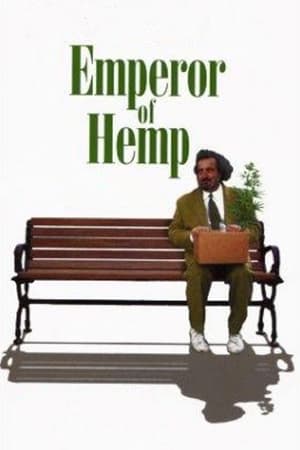
This documentary chronicles the life of Jack Herer and his struggle for awareness and enlightenment of cannabis sativa, a.k.a. marijuana or hemp. His research into this plant culminates in his writing The Emperor Wears No Clothes: The Official Hemp Bible. He has dedicated his life to educating people about the history and many utilizations of hemp, the conspiracy against it, and ending marijuana prohibition.
An educational film sponsored and distributed by the Los Angeles-based Narcotic Educational Foundation of America and directed by Gilbert Lasky with financial assistance of the Woman’s Relief Corps targets teachers as well as junior and senior high school students in the war on drugs. Narcotics are classified and effects of opiates, stimulants, and barbiturates are summarized and dramatized
High Hopes: The Business of Marijuana delves into the constantly evolving world of medical marijuana. With legalization just around the corner, demand continues to escalate, with medical marijuana being used to treat a growing number of illnesses and conditions, and the results are promising. Like with most new growth industries, everyone is trying to get in on the action. Director Donna Davies follows the stories of consumers and entrepreneurs determined to carve out a place for themselves in the marijuana marketplace.