We look first at Westminster Abbey and the Towers of Parliament. And the sight-seeing only starts there as it continues to all the famous buildings of London.
História de Amor em 16 Quadros por Segundo
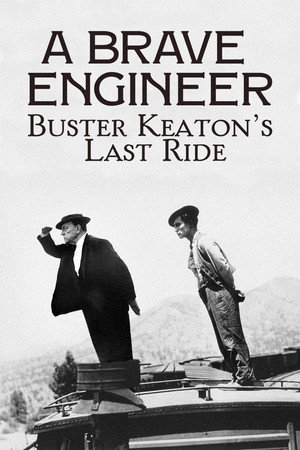
From 1920 to 1965, the great Buster Keaton made spectacular use of locomotives in his films. This video essay charts the course of his iconic cinematic career across the many tracks he rode along on screen: as a young man in the surge of his silent movie ascent in Our Hospitality, while making his masterpiece The General, and traversing the width of Canada on a railway speeder car as an old man in The Railrodder.
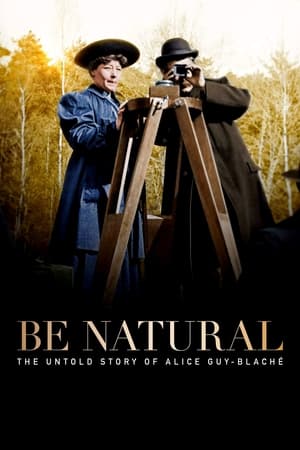
The epic life story of Alice Guy-Blaché (1873–1968), a French screenwriter, director and producer, true pioneer of cinema, the first person who made a narrative fiction film; author of hundreds of movies, but banished from history books. Ignored and forgotten. At last remembered.
London After Midnight (1927), directed by Tod Browning and starring Lon Chaney, is the most sought-after lost film by fans of fantastic cinema. Has this mythical treasure finally been found in an old South American cinema?
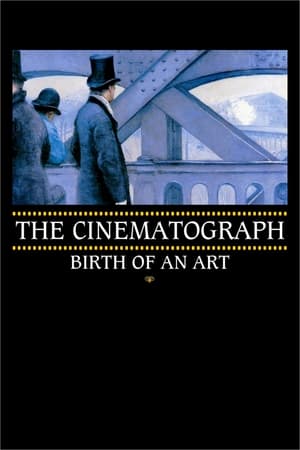
Throughout the 19th century, imaginative and visionary artists and inventors brought about the advent of a new look, absolutely modern and truly cinematographic, long before the revolutionary invention of the Lumière brothers and the arrival of December 28, 1895, the historic day on which the first cinema performance took place.
The epic and poetic tale of the early years of Italian cinema, from 1896 to 1930: how peplum was born, how the first stars shone, how many daring filmmakers were able to create an original style amalgamating literature, theater, painting and opera; a tale of splendor and decadence.
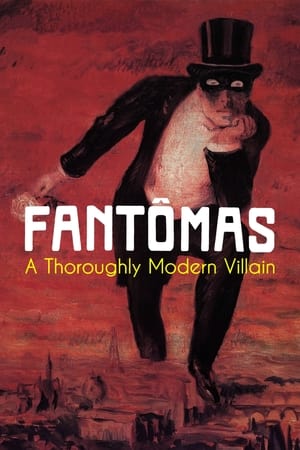
The story of Fantômas, the first villain of modernity, from his birth in 1911 as a novel character to his contemporary vicissitudes, passing through Louis Feuillade, André Hunebelle, surrealism and Moscow.
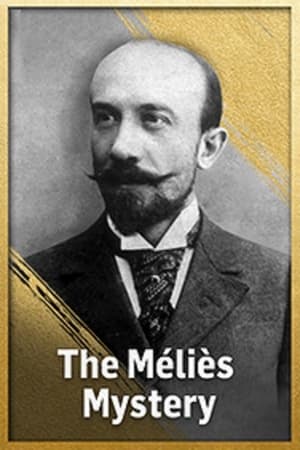
A walk through the life and work of the brilliant French filmmaker Georges Méliès (1861-1938), pioneer of special and visual effects.
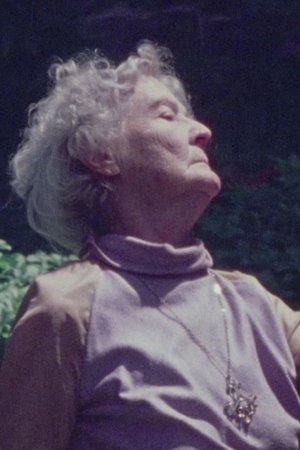
Documentary chronicling the career of Grace DeCarlton Ross (1890-1983) from her days acting in silent movies to the 1980s when she was living in Portland, Maine and still dancing in her nineties.
The first meeting of a U.S. president and a Mexican president took place when William Howard Taft met Porfirio Díaz on 16 October 1909, in El Paso. The meeting was celebrated in both El Paso and Juárez with parades, elaborate receptions, lavish gifts and large crowds. Shot by the pioneers of Mexican Cinema the brothers Alva. This is a typical example of newsreel material prior to the Mexican revolution. By hemerographical references we know that this footage was presented to the then president of Mexico General Porfirio Díaz in the Castle of Chapultepec, then residence of the president.
Hermann Perren, mountain guide, prepares the ascent of Dent du Requin with a companion. He checks the equipment necessary for any mountaineer, rope, ice axe, glasses, double socks and iron shoes. They leave Chamonix, cross the Mer de Glace and arrive at the Requin Refuge. The next morning, Perren and his companion cross the glacier and encounter huge crevasses and seracs, which slow their progress. They cautiously cross a snow bridge and bivouac a few hours later. The climb is more and more difficult. They reach the Requin shoulder and have to climb the vertical wall to the summit. A shortened and sounded version of the film was released in 1937 under the same title by Les Films du Sagittaire.
Released on August 31st, 1919. Produced by Burton Holmes.
"While The Salvation Army on the Job is listed in film databases without a full plot summary, it is closely associated with the 1919 short comedy A Desert Hero, which shares the Salvation Army theme and likely served as its inspiration."
A documentary that details the process of restoring 270 of the 520 lost films of pioneering director Georges Méliès, all orchestrated by a Franco-American collaboration between Lobster Films, the National Film Center, and the Library of Congress.
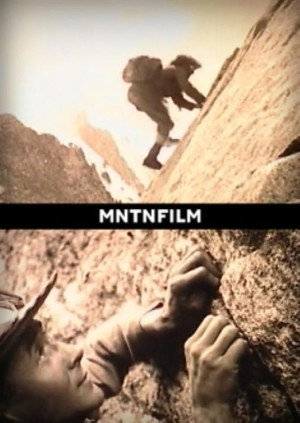
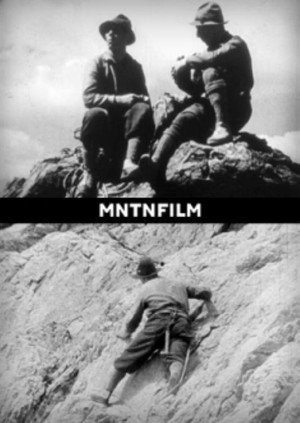
A rock climbing in the Bavarian Allgäu Alps in Germany. The camera follows two mountaineers on a climb. We see all stages of the ascent, from the screes at the foot of the mountain up to the difficult ledges that require the use of pitons and belay ropes. The mountaineers ascend from Einödsbach to the Waltenberger Haus. After they have surmounted a chimney, the mountaineers eventually reach the summit. From there, they descend with ropes.
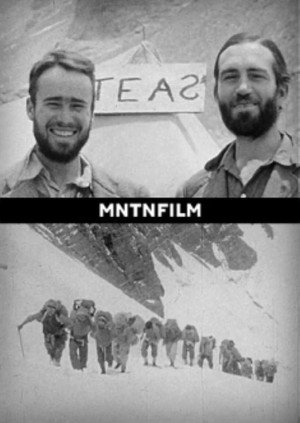
Record of the 1936 British Mount Everest Expedition led by Hugh Ruttledge. Although the North Col was reached, a combination of high winds, storms and waist-deep snow made progress above 7,000m difficult and, with the monsoon arriving early, Ruttledge called off the expedition. Members of the expedition were mountaineers Eric Shipton, Frank Smythe, Percy Wyn-Harris, Edwin Kempson, Dr. Charles Warren, Edmund Wigram, Peter Oliver and James Gavin. The party also included Tenzing Norgay. This was a very well-equipped expedition, which included oxygen and radio equipment.
Released in 1930. Direction, production, writing & cinematography by Adam Krzeptowski
Released on August 3rd, 1919.
Klettern im Fels (in English, "Rock Climbing") is a German silent documentary about rock climbing. It was directed by the cameraman Hermann Schadock and produced by Defira-Film in 1934.