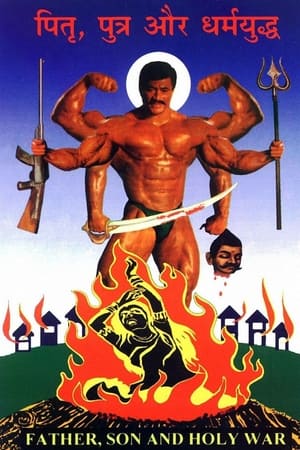
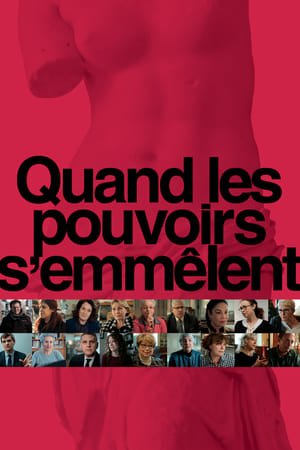
Filmmaker Anand Patwardhan looks to history and psychology as he delves into the possible reasons behind the demolition of the Babri Mosque.
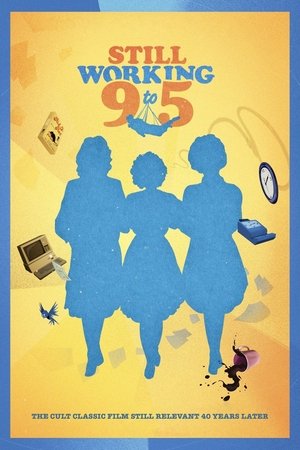
In the early 1970s, a group of secretaries in Boston decided that they had suffered in silence long enough. They started fighting back, creating a movement to force changes in their workplaces. This movement became national, and is a largely forgotten story of U.S. twentieth century history. It encapsulates a unique intersection of the women’s movement with the labor movement. The awareness these secretaries brought to bear on women’s work reverberates even today. Clericals were the low-wage workers of their era. America now confronts the growing reality of deep income inequality. The stories and strategies of these bold, creative women resonates in contemporary America.
Summer of revolution
After surviving a violent assault by a serving soldier who was convicted but walked free with a suspended sentence, Natasha O'Brien refused to stay silent.
June 2020, Corona, one year after the national women's strike. Six directors dive into the everyday life of six women and explore what it means to be a woman in today's Switzerland.
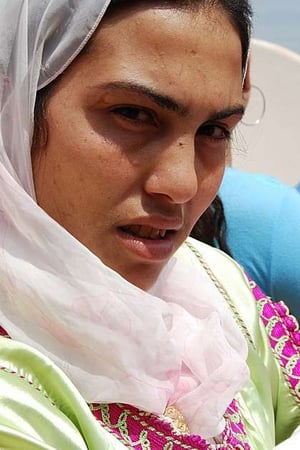
After the Indian Ocean Tsunami of 2004, widowed women struggled to receive aid due to their social status. Following the story of Mrs. Manjula along with many other women from Tamil Nadu, the challenges faced by millions of widows across the country are illuminated. From being ostracized to denied basic rights and economic opportunities, widows in India endure a cycle of discrimination and marginalization. “Kalangarai” meaning "lighthouse" in Tamil, is an organization dedicated to empowering women through initiatives such as self-help groups and educational programs. Throughout the film, "Lighthouse" illustrates the emotional journeys and resilience of these women, as well as the active change that Kalangarai strives to achieve. This documentary urges global awareness and support for widowed women’s rights, as the women’s struggles depict the intersectionality of gender, poverty, and social injustice.
Ieri è Oggi
The year 2017 marks the 500th anniversary of one on the most important events in Western civilization: the birth of an idea that continues to shape the life of every American today. In 1517, power was in the hands of the few, thought was controlled by the chosen, and common people lived lives without hope. On October 31 of that year, a penniless monk named Martin Luther sparked the revolution that would change everything. He had no army. In fact, he preached nonviolence so powerfully that — 400 years later — Michael King would change his name to Martin Luther King to show solidarity with the original movement. This movement, the Protestant Reformation, changed Western culture at its core, sparking the drive toward individualism, freedom of religion, women's rights, separation of church and state, and even free public education. Without the Reformation, there would have been no pilgrims, no Puritans, and no America in the way we know it.
The inspiring story of a young Indian Muslim woman who trades her burka for dreams of playing on the Mumbai Senior Women's Cricket Team and how the harsh realities for women in her country creates an unexpected outcome for her own family, ultimately shattering and fueling aspirations.
Doaa el-Adl, the first woman to be awarded the esteemed Journalistic Distinction in Caricature, serves as a catalyst for transformation within the predominantly male-dominated realm of Egyptian political cartoonists. Challenging patriarchal norms, she routinely confronts censorship, harassment, and even threats to her life. In a remarkable fusion of documentary, cartoons, and animation, Egyptian director Nada Riyadh breathes life into el-Adl's most renowned works. This dynamic and fearless presentation delves into the issue of violence against women, stretching the boundaries of freedom of speech in a society often characterized by restrictions. Through her exceptional talent, el-Adl not only champions women's rights but also serves as an inspiration for societal change.
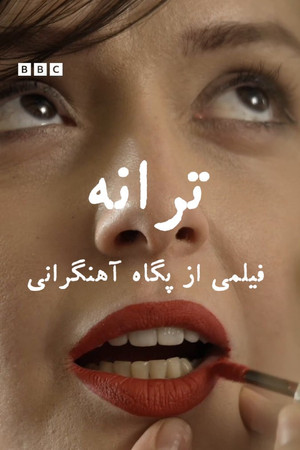
On June 20, 2009, Neda Agha-Soltan was shot and killed on the streets of Tehran during the turmoil that followed the Iranian presidential contest. Within hours, images of her dying moments, captured on cell phones, appeared on computer screens across the world, focusing the world's attention on mass protests against the rigged elections in Iran. Featuring previously unseen footage of Neda with friend and family, as well as exclusive video of her recorded the day she died, "For Neda" debuts just before the anniversary of her death.
Born in Ukraine in 2008 in the wake of the "Orange Revolution," the feminist movement Femen fights for democracy, freedom of the press, women's rights, and against corruption, prostitution, sexism, racism, poverty, and religion. The activists quickly caught the attention of the media with their shocking protests. In 2012, at the creation of Femen France, Caroline Fourest followed their actions. They notably affirmed their support for "Marriage for All" by protesting on November 18, 2012, during the demonstration organized by the Civitas Institute against the bill, provoking sharp clashes.
Behind The Looking Glass is a film about the lives of women whose partners have or want to ‘transition’. While we hear a great deal of “stunning and brave” stories of men, there is a deadly silence when it comes to the stories of the wives or partners. This film will be the first of its kind in collecting such experiences of women from around the world.
When her husband died Soumicha, mother of three, had to earn a living. She became the only woman taxi driver in Sidi Bel-Abbès, Algeria. This film accompanies Soumicha around a city where religious and political violence rages, and records her experiences in a job normally reserved for men.
As the epidemic of missing and murdered Indigenous women epidemic affects tribal communities, a group of Blackfeet women tackle the threat head-on by practicing and training in self-defense.
A group of women and non-binary journalists, bucking the white male status quo, launch The 19th*—a digital news startup that asks who has been omitted from mainstream coverage and how they can be included.
You Have Struck A Rock! commemorates the special contribution of South African women to the success of the anti-apartheid struggle. It recovers the remarkable "women's campaigns" of the 1950s against the hated pass system. This massive, non-violent civil disobedience movement was only finally crushed by the 1960 Sharpeville Massacre and the banning of anti-apartheid organizations. Lilian Ngoyi, Helen Joseph, Dora Tamana and other leaders recall this struggle and their imprisonment and banning. Yet they remain undaunted, demonstrating the South African proverb: "When you have touched a woman, you have struck a rock."
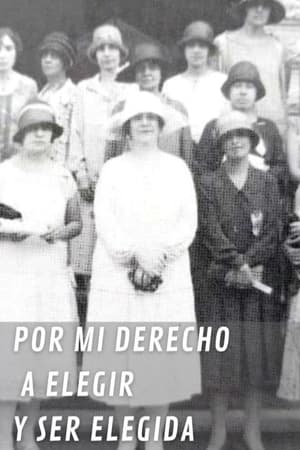
The story of those Italian women who, for eighty years, have fought against power in all its forms.
We Iranian Women
Bookended by call-to-action quotes from Margaret Mead and Mahatma Gandhi, this inspiring documentary follows three extraordinary women -- in Bosnia-Herzegovina, Mali, and Vietnam -- as they lead day-to-day battles against ignorance, poverty, oppression, and ethnic strife.