Fictionalized documentary about the history of HIV/AIDS in Argentina from its inception up until 2006.
Sr. Raposo is a staged documentary about the daily life of Acácio, who found out he was HIV+ in 1995.
From the onset of the AIDS epidemic, author Larry Kramer emerged as a fiery activist, an Old Testament-style prophet full of righteous fury who denounced both the willful inaction of the government and the refusal of the gay community to curb potentially risky behaviors. Co-founder of both organization Gay Men's Health Crisis and the direct action protest group ACT UP, Kramer was vilified by some who saw his criticism to be an expression of self-hatred, while lionized by others who credit him with waking up the gay community — and, eventually, the government and medical establishment — to the devastation of the disease.
After ten years living as an expat in the United States, Asori Soto decides to return to his homeland of Cuba to search for the missing flavors of his childhood. This is a journey to discover culinary traditions long thought lost due to the hardship that Cuba survived after the collapse of the Soviet Union.
Released from prison, former oil oligarch Mikhail Khodorkovsky expounds on his newfound freedom and complex relationship with Vladimir Putin.
A recording of a play about the intangible impacts AIDS has on a community. This is a moving, beautifully photographed combination of theater and documentary that captures the incredible excitement of live theater and intensifies the power of the play's message.
Explores the lives of Sara, Gigi and Giovanna, three Latino transvestites who for years have lived on the streets of Manhattan supporting their drug addictions through prostitution. They made their temporary home inside broken garbage trucks that the Sanitation Department keeps next to the salt deposits used in the winter to melt the snow. The three friends share the place known as "The Salt Mines".
Ricardo was once Sara, a homeless HIV positive transvestite, living in the underbelly of Manhattan. Today he is a churchgoing, married man, "saved" by a Dallas ministry. He has renounced his homosexuality, but is his conversion complete? Susana Aiken and Carlos Aparicio offer an intimate look at Ricardo's transformation.
The film provides information about the course and symptoms of AIDS, the effect of AIDS viruses on the immune system, the routes of infection, the main risks of infection and the protective measures against them.
Dueño del tiempo
Stiff Sheets indicts public health officials and politicians for the lack of adequate and humane care for people with AIDS in Los Angeles, this time documenting a mock fashion show staged by ACT UP activists.
A look at the ACT UP movement from its inception to the present day.
Five gay Black men who are HIV-positive discuss how they are battling the double stigmas surrounding their infection and homosexuality.
Outraged by the controversial January, 1988 article in Cosmopolitan magazine, the women in the AIDS Coalition to Unleash Power, (Act Up, New York), organized the first AIDS demonstration focused on women. Doctors, Liars and Women:AIDS Activists Say No To Cosmo not only documents the efforts of the Women's Committee to organize this protest, it also serves as a how-to-guide for direct action.
A documentary film about AIDS and one unconventional woman's efforts to educate her small, Southern community. DiAna DiAna is a local hairdresser who transformed her beauty parlor into a center for AIDS and safe sex information.
German iconoclast filmmaker and gay-rights activist Rosa vonPraunheim examines his own life and career in the documentary Phooey Rosa! With a quickly paced editing style, the film is a mix of personal banter, candid interviews, and clips from his filmography. It also includes footage from his early film Bed Sausage to his later work Neurosia. At the age of 60, vonPraunheim reveals intimate details about his past relationships and his childhood growing up after WWII. He also implicates some of his friends and inspirations, including Luzi Kryn and Rainer Kranach.
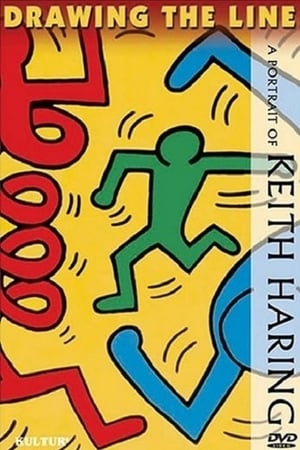
Short documentary about artist Keith Haring, detailing his involvement in the New York City graffiti subculture, his opening of the Pop Shop, and the social commentary present in his paintings and drawings.
A ship of athletes training on the rough seas becomes a symbol of Castro’s Cuba, the games projected on the backdrop of political struggle. This is the story of a ship and of a sports delegation whom the enemy tried to stop from participating in the Tenth Central American and Caribbean Games.
In her feature documentary Seguridad, Newfoundland-based filmmaker Tamara Segura—once named “Cuba’s youngest soldier” in a militia publicity stunt—portrays her troubled relationship with her father in the context of the Cuban Revolution. When Segura accepts a scholarship to study film in Canada, the move offers crucial distance from her alcoholic father. After four years, she returns to Cuba hoping to make amends. But her father’s sudden death just days after her arrival forces Segura to explore his troubled past and the role Cuba’s highly militarized system played in his downfall. Through a series of deeply personal on-camera interviews with her immediate family, Segura unearths long-held secrets that ultimately tell a story of resilience and profound love between family members. Seguridad artfully weaves a lifetime’s worth of still photographs into its intimate narrative, which offers a rare glimpse into the inner lives of Cubans in the post-revolutionary era.
These are strange times indeed. While they continue to command so much attention in the mainstream media, the 'battles' between old and new modes of distribution, between the pirate and the institution of copyright, seem to many of us already lost and won. We know who the victors are. Why then say any more?