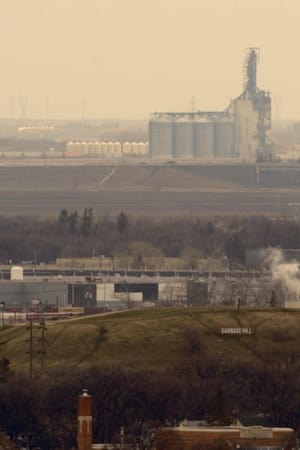
The geographical dead center of North America and the beloved birthplace of Guy Maddin, Winnipeg, is the frosty and mysterious star of Maddin’s film. Fact, fantasy and memory are woven seamlessly together in this work, conjuring a city as delightful as it is fearsome.
This film deals straightforwardly with the consequences of a nuclear attack for the Canadian Prairies. The Prairies are singled out because of their proximity to huge stockpiles of intercontinental ballistic missiles located in North Dakota. Scenes include a visit to a missile base and to an emergency government bunker in Manitoba. A doctor, a farmer and a civil defence coordinator provide different perspectives on nuclear war. Although the film focuses on one region, it provides a model for people everywhere who would like to know more about their own situation but don't know what questions to ask.
A turn of the 20th Century office block at Portage and Main. What was once Winnipeg's most prestigious commercial address has become a catch-all for the marginalized and history's leftovers. A snapshot of a fading era, now gone for good.
When he takes his girlfriend to a seedy abortion clinic in the back room of a combination hair salon / bordello, Guy Maddin meets the madam’s daughter and falls in love. But she won’t let any man touch her until her father’s murder has been avenged.
Made as part of the Winnipeg Film Group's "Super 8 Special" film incubator. This picture was captured on super 8 film, drip dyed with a mixture of india ink and water collected from Lake Winnipeg, then digitized and captured on VHS.
Randy has PTSD from the Army. After extreme treatment he is released into the world to make it on his own. He goes to Winnipeg to race his snowmobile cross country to St. Paul.
A dialogue and home video about belonging, from young people living in modern colonial society.
In Depression-era Winnipeg, a legless beer baroness hosts a contest for the saddest music in the world, offering a grand prize of $25,000.
Join a grassroots collective of volunteers as they search Winnipeg’s Red River and its banks for clues to find out what happened to their missing family and friends. The documentary demonstrates the devastating experience of searching for a loved one who didn't come home with profundity and humanity.
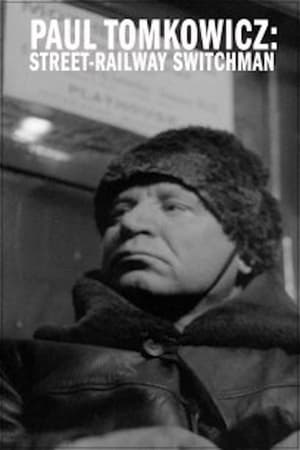
A self-narrated portrait of a Polish immigrant in Winnipeg whose unglamorous job keeping streetcar switches working reveals dignity, resilience, and pride in everyday labor.
Bruce Macdonald follows punk bank Hard Core Logo on a harrowing last-gasp reunion tour throughout Western Canada. As magnetic lead-singer Joe Dick holds the whole magilla together through sheer force of will, all the tensions and pitfalls of life on the road come bubbling to the surface.
Winnipeg Film Group. Deep in the winter of 1986. Guy Maddin is in the process of filming Tales from the Gimli Hospital and needs to rub a dead seagull on somebody's chest. Immediately, Dave Barber agrees, submitting his bare flesh to Maddin's road kill and to film history. (This film was commissioned by the Winnipeg Film Group's Cinematheque for its 25th anniversary, Silverscope)
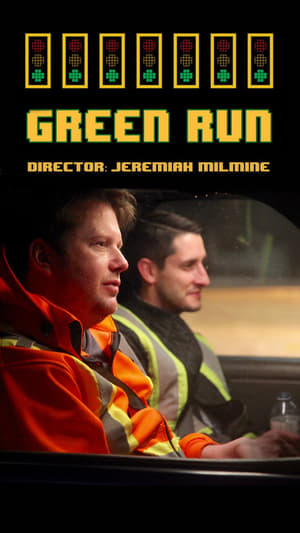
Two men driving home from work miraculously hit every green light.
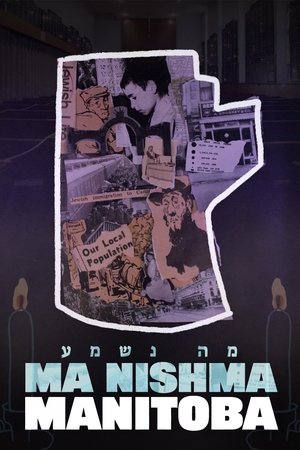
From challah to immigration to the wandering Jew, Ma Nishma Manitoba is a mid-length documentary that explores Manitoban Jewish stories of identity and history. Filmmakers Johanna and Sara put their own experiences in local context by chatting with several Jewish Manitobans, including a rabbi, politician, artist, Israeli immigrant, and others. Archival materials, illustrations, and stop animations connect history with present-day opinions and stories, as Sara and Johanna explore what being Jewish in Manitoba means to them and others.
In post-World War I Winnipeg, a Ukrainian immigrant and a Jewish woman get caught up in a labour strike.
Sandy Doyle is an outspoken no nonsense business woman. She became a worldwide celebrity with the creation of her diner Blondies Burgers.
Follow Ruby Chopstix, Canada’s first drag artist-in-residence, as they navigate the complexity of being an underrepresented drag performer while creating a special showcase to create space for other queer BIPOC performers.
Thursday shot from filmmaker Galen Johnson's high-rise apartment during COVID-19 “lockdown” in Winnipeg, captures people going about their daily routines in the city's eerily empty streets, yards and parking lots, on their balconies and on the riverbanks. The extreme distance and the diminutive scale of humans is paired with sound close-ups—a combination that embodies the strange, heightened intensity of feeling of the time, knowing an era-defining tragedy is happening yet being so physically removed.
A few days before she retires, devoted Winnipeg school principal Denise has spent her entire life taking care of everyone else. She is the glue holding together a crumbling ecosystem of neediness: a well-meaning but chronically disappointing husband, a school full of little crises, a self-absorbed daughter and unruly grandkids who treat her like a built-in safety net, and an aging father whose enthusiastic nudism keeps getting him expelled from one seniors’ home after another. When one indignity too many pushes her past her breaking point, Denise makes a radical decision.
This short documentary depicts an Aboriginal Winnipeg teen’s struggle to stay in school and away from local gangs. Filmed over 2 years, the film is a moving portrait of one family trying to break the cycle of addiction, violence and poverty in an environment filled with anger and despair.