Clouds 1969 by the British filmmaker Peter Gidal is a film comprised of ten minutes of looped footage of the sky, shot with a handheld camera using a zoom to achieve close-up images. Aside from the amorphous shapes of the clouds, the only forms to appear in the film are an aeroplane flying overhead and the side of a building, and these only as fleeting glimpses. The formless image of the sky and the repetition of the footage on a loop prevent any clear narrative development within the film. The minimal soundtrack consists of a sustained oscillating sine wave, consistently audible throughout the film without progression or climax. The work is shown as a projection and was not produced in an edition. The subject of the film can be said to be the material qualities of film itself: the grain, the light, the shadow and inconsistencies in the print.
An amateur stand-up comedian seeks company online after the bar closes on a winter's night, but fails to connect with her surroundings and herself.
White Sands is a 3 screen projection 16mm film installation which reflects on the visible and invisible manifestations of the nuclear fuel chain on the land, air, water and people of New Mexico.
If Not is a meditation on love, inspired by If Not, Winter by Sappho, translated by Anne Carson. Filmed in Ephesus and Brooklyn.
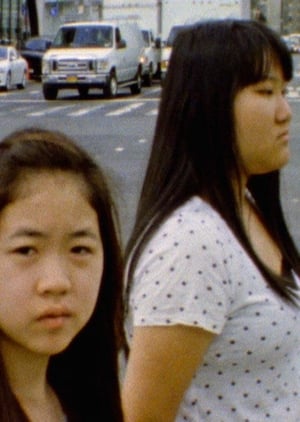
Dear features the interior world of two teenage Chinese girls in New York City, whose diary entries reveal their concerns related to growing up as immigrants amidst the ever-gentrifying landscape of Chinatown.
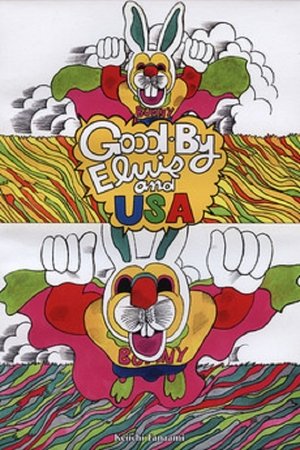
A trippy pop-art collage of phallic objects, naked women and American icons, most notably Elvis Presley.
A poetic essay. An Algerian soldier wanders through Algiers and the countryside, whilst a voiceover of the soldier's mother laments his death.
Escape Velocity II is an experiential experiment that brings the wild ethereal voices of Singaporeans to life through animation and sound visualisation. The film seeks to bridge human and non-human worlds.
Experimental 8mm film.
Repurposing and manipulating classic film footage and the filmmaker’s personal footage, the film weaves a phantasmagoric narrative of a Chinese lady named Ma Li who dreams she is a Caucasian named Mary.
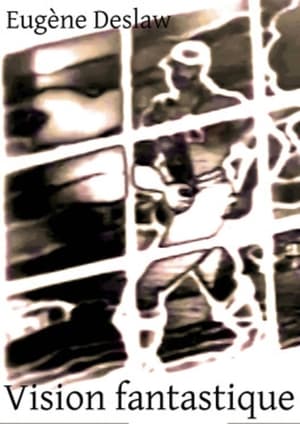
Footage filmed in Spain, subjected a new visual effects process. Deslaw devoted himself to the discovery of a new machine that enabled film to be developed while using a new method called solarisation.
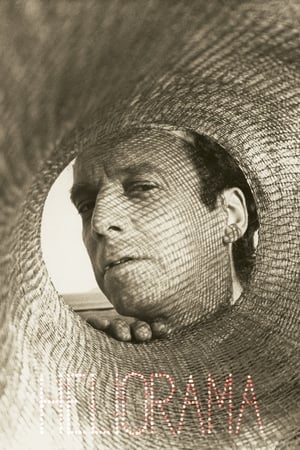
A collage of newsreels, trailers, clips and other visionary and unseen fragments of sight and sound regarding the late plastic artist Helio Oititica.
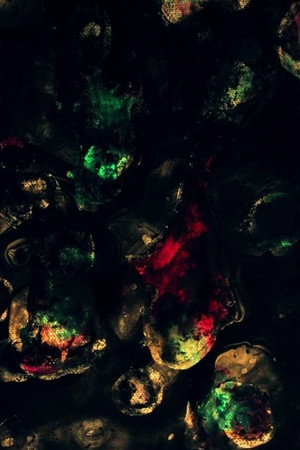
A short experimental animation influenced by micrographic images of cells, acids, bacteria, and viruses using the technique of painting on glass and stop-motion animation. Ink, canvas, paint, glycerin, water, oil, and glass.
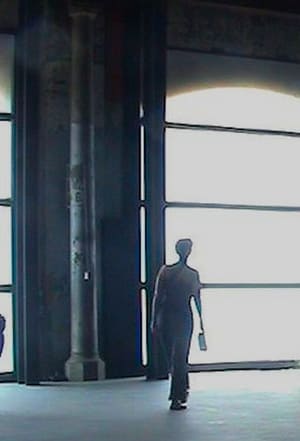
This experimental "film" consists of an empty room with a bare lightbulb, and windows covered with a translucent material, for a duration of 24 hours. It is not necessary for visitors to stay for the entire duration - they can come and go as they please. Created by Anthony McCall, it is based on the architectural framing of time and light. It came at the end of a series of works in which McCall was stripping back cinema to its absolute minimum - light, time, and human experience/perception.
A sinister montage intimates the hellish void facing a man emptying bottles by the river. Sandy Fisher’s densely reverberating electronic score provides strong support for Lloyd Williams’ cultic collage of skulls, chess boards and fire.
Cine de Emboscada
Experimental educational film reveals the emergence of some ideas of Biophysics in historical, philosophical and methodological aspects. The first film from the Biophysics Cycle (1982-1989).
A darkly comic thriller, Alexandre Singh's "The Appointment" is a tale of doubling and mistaken identity that embraces the fantastical and supernatural qualities of Gothic literature, from E. T. A. Hoffmann to Roald Dahl. The protagonist is Henry Salt, an enfant terrible of letters who we meet as he wakes from a nightmare and discovers a confounding entry in his diary: “12 o’clock at the restaurant La Folie.” But who is Henry meeting? And why doesn’t he remember making this appointment? When no one appears at the scheduled time, Henry becomes obsessed with trying to uncover this person’s identity. Charging through a series of dreamlike encounters, he discovers that the truth is more disturbing than he could have imagined.
A multiple-superimposition hand-painted visual symphony of animal life of earth. THE LOOM might be compared to musical quartet-form (as there are almost always four superimposed pictures); but the complexity of texture, multiplicity of tone, and the variety of interrelated rhythm, suggest symphonic dimensions. The film is very inspired by George Melies: the animals exist (in Jane's enclosure) as on a stage, their interrelationships edited to the disciplines of dance, so therefore one might say this hardly represents "animal life on earth"; but I would argue that this work at least epitomizes theatrical Nature, magical Creature, and is the outside limit, to date, of my art in that respect. (The balance-of-light was so perfectly realized in making the neg. of this print that I wish to credit Western Cine Lab's "timer" Louise Fujiki as creative collaborator in the accomplishment of this work.)
Ostensibly searching for an emotional connection with her aging father, the woman contemplates her own inherited culture and familial touchstones. Her North American pop culture sensibility fuses with a distorted Japanese perspective to create a surreal interpretation of a “Japan of the imagination.” This fictional landscape is peppered with invented Japanese myths, ruminations on memory loss, the temporal space of digital photography and the ghosts of inherited imagination.