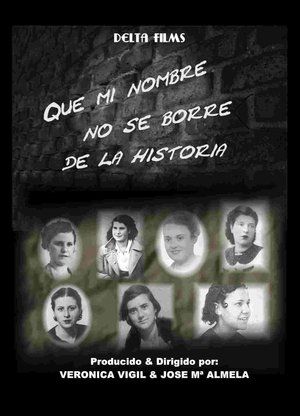
Que mi nombre no se borre de la historia
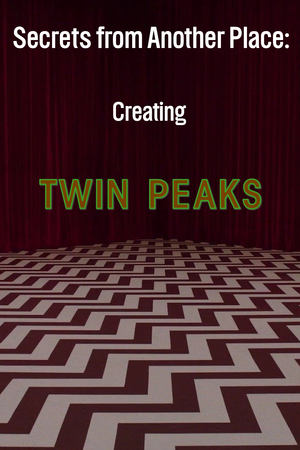
A select group of key creative forces involved in the making of Twin Peaks reveals their take on the fascinating creation and journey of the wildly popular show.
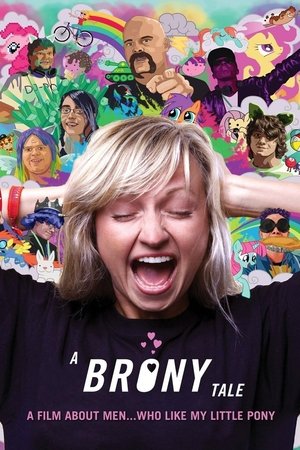
Vancouver-based voice artist Ashleigh Ball has been the voice of numerous characters in classic cartoons such as Care Bears, Strawberry Shortcake, Cinderella and more. When Ashleigh was hired to voice Apple Jack and Rainbow Dash for Hasbro's fourth series to use the My Little Pony name - My Little Pony: Friendship Is Magic - she had no idea she would become an Internet phenomenon and major celebrity to a worldwide fan-base of grownups. Bronies are united by their belief in the show's philosophy. This documentary gives an inside view of the Pony fan-world, and an intimate look at the courage it takes to just be yourself...even when that means liking a little girls' cartoon.
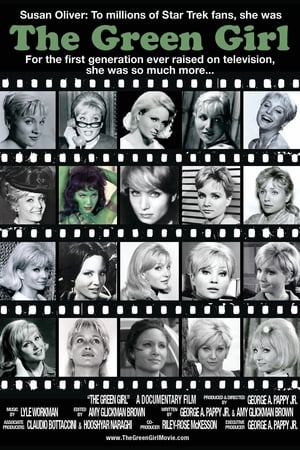
A feature-length documentary about Star Trek's iconic original Green Girl, Susan Oliver: Prolific actress of the '50s - '80s, original member of the American Film Institute's Directing Workshop for Women, record-setting female aviator; Tragically taken by cancer in 1990. With over 120 major acting credits in film and television, Susan Oliver was literally a household name in the 1960's. She set a number of world records as a pilot and was one of the only women directing major TV shows in the 1980's. And yet many people don't even remember her name today. It's time to remember Susan Oliver...
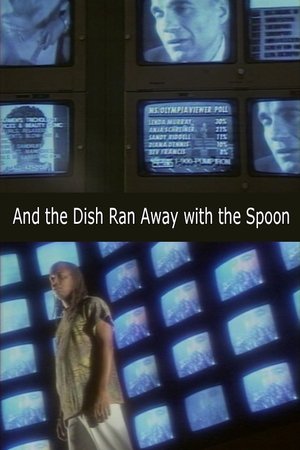
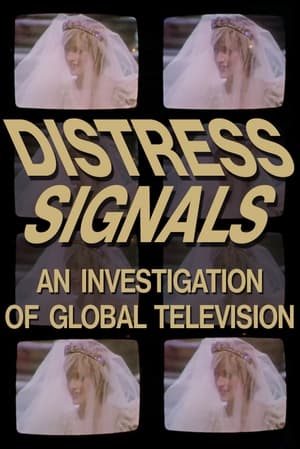
A documentary about the domination of Caribbean television by programs from the North, primarily the US. Proceeding from the observation that television in the Caribbean is overwhelmed by US and French programs, this film ambitiously weaves together interviews, indigenous poetry and music with clips from imported French and US television programs to show how Caribbean viewers receive a distorted view of the world that alienates them from their own cultural heritage. Also included is a glimpse of how Cuba has tackled the problem, featuring an interview with Cuban film director Tomás Gutiérrez Alea, and the US response in the form of Radio and TV Marti. This is part of the Developing Stories Series on Environment and Development. Starweek Magazine called it "An astonishingly searing look at TV."
"The prevailing stigmatization of the 'villero' universe is fed back by the images. In order to dismantle this stigmatization, other images must be presented or we need to reveal what the existing ones seek to cover up. The slum is usually represented from a limited and deceitful visual panorama. This representation has an intention. Cinema and television are two image-producing devices that strengthen the stereotypes that we have about the people who inhabit these spaces. And what happens in the field of painting? Do clichés reign there too? This visual essay seeks to confront various works by national painters and sculptors, belonging to the Palais collection, with the kinetic images of current cinema and television, to reflect on both the differences and the similarities in the meanings and discourses that both regimes of images can produce." César González
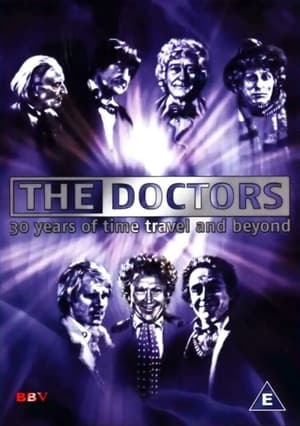
More than 30 years have now passed since a certain time traveling police box first materialized on our television screens, and the exploits of its various crews have enthralled audiences ever since. Here is the story of Britain's Number 1 Science Fiction programme told in order of the various actors who have played the Doctor.
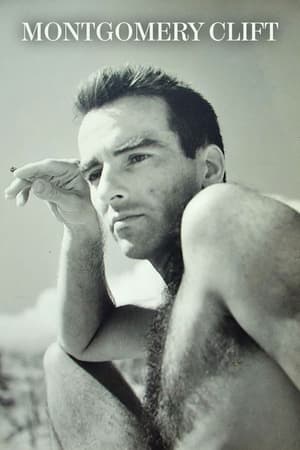
A documentary incorporating footage of Montgomery Clift’s most memorable films; interviews with family and friends, and rare archival material stretching back to his childhood. What develops is the story of an intense young boy who yearned for stardom, achieved notable success in such classic films as From Here to Eternity and I Confess, only to be ruined by alcohol addiction and his inability to face his own fears and homosexual desires. Montgomery Clift, as this film portrays him, may not have been a happy man but he never compromised his acting talents for Hollywood.
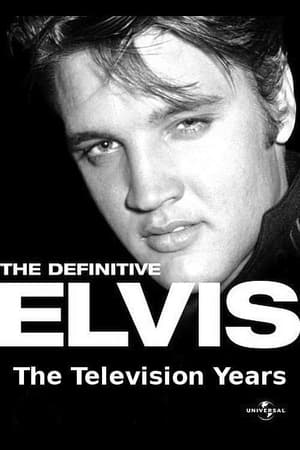
"The Television Years" examines the events that took place in the years between 1956 and 1960, in which Elvis Presley excited a whole nation as the "King of Rock and Roll" in the big television shows of the time. One highlight of this time periode was Elvis' 1960 combeback hosted by Frank Sinatra, which marked his first appearance on televison after his two-year stay in the army.
Les 60 ans de la télévision régionale
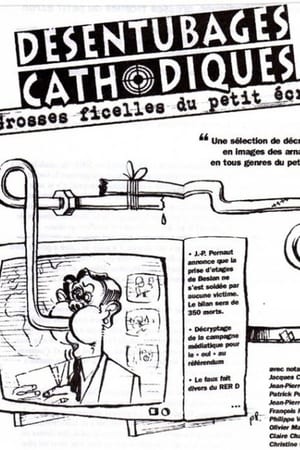
From falsehood to mystification to manipulation and false impartiality, the whole logic of disinformation and brutality is brought to light. When the king of the media and his politico-journalistic buffoons are sifted by a radical counter-audiovisual power, the discredit of the "elites" sanctioned by the referendum of May 29, 2005 is better understood. With this film, Zalea TV's team had decided to laugh about it and make them laugh, even if at bottom these discoveries were rather disturbing. By staging a series of very simple techniques of "self-defense", this film is an invitation to self-disengage permanently. The use of the TV-B Gone, an instrument whose sole function is to turn off the television, appears here as the ultimate resort to media criticism.
Maboul de Séoul
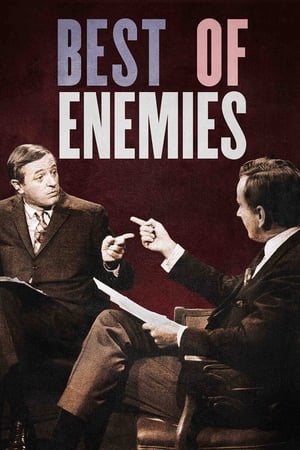
A documentary about the legendary series of nationally televised debates in 1968 between two great public intellectuals, the liberal Gore Vidal and the conservative William F. Buckley Jr. Intended as commentary on the issues of their day, these vitriolic and explosive encounters came to define the modern era of public discourse in the media, marking the big bang moment of our contemporary media landscape when spectacle trumped content and argument replaced substance. Best of Enemies delves into the entangled biographies of these two great thinkers, and luxuriates in the language and the theater of their debates, begging the question, "What has television done to the way we discuss politics in our democracy today?"
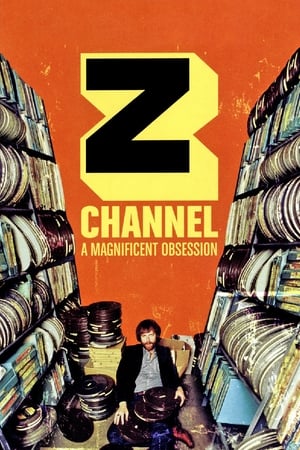
A documentary on the Z Channel, one of the first pay cable stations in the US, and its programming chief, Jerry Harvey. Debuting in 1974, the LA-based channel's eclectic slate of movies became a prime example of the untapped power of cable television.
Programme telling the story of Ronnie Barker, a quiet dedicated actor who might have been a bank manager but went on to become one of the country's favourite comedy stars. Ben Elton, Michael Grade, David Renwick and Josephine Tewson are among friends and colleagues who remember his genius. Famed as one half of the Two Ronnies and the likeable convict Fletcher in Porridge, he was also a prolific writer and admired actor in serious roles.
In a heartfelt tribute to Hollywood legend Garry Marshall, his family and friends share their favorite memories of the creative genius behind some of the most memorable series in television history.
American television programming dominates around the world at the expense of regional cultural voices.
A documentary about the making of Danger: Diabolik, the final episode of Mystery Science Theater 3000's original run.
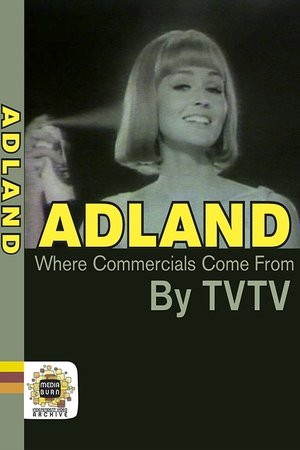
TVTV turns its critical eye to the world of advertising in Adland, subtitled Where Commercials Come From. Focusing on the reality behind the image, and specifically on the strategies of Madison Avenue, they interview prominent 1970s admen such as George Lois and Jerry Della Femina. They also go behind the scenes of commercial shoots, where such figures as Ronald McDonald and the precocious child actor Mason Reese are put through grinding routines, only to reveal themselves as jaded pros off-camera. In this clear-eyed look at the manipulation inherent in advertising, the TVTV crew meets its match in the relentless cynicism and masculine braggadocio of the seasoned admen; ultimately, TVTV conveys respect for the savvy and skills of these shrewd veterans.
In 1942, television was born in Paris, rue Cognacq-Jay. Today, around 60% of programs are filmed in Plaine-Saint-Denis. Baptiste Morel receives various guests to return to this story.