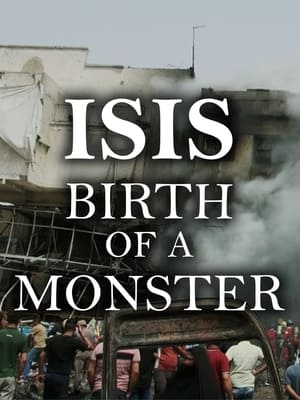
For the past 12 years, journalist Paul Moreira has travelled extensively in Iraq. In this film, he goes in search of the men he filmed back in 2003 at the very beginning of the American occupation. Through their stories, and by tracing the roots of ISIS to the arrival of Abu Mousab Al-Zarqawi and America's handling of the resistance, he tells the story of how Iraq became such a fractured nation.
Kamal resolves to change his life for the better, and so leaves Belgium to help victims of the war in Syria. But when he arrives, he is forced to join a militia and is left stranded in Raqqa. Back home, his younger brother Nassim quickly becomes easy prey for radical recruiters, who promise to reunite him with his brother. Their mother, Leila, fights to protect the only thing she has left: her youngest son.
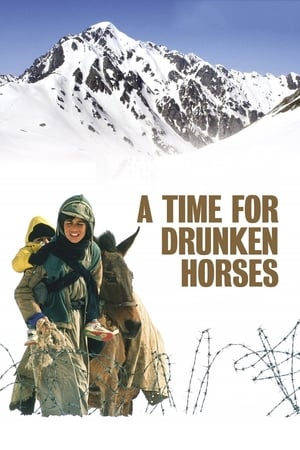
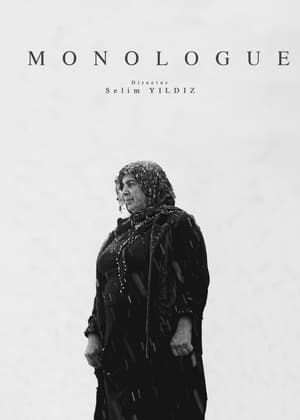
After their father dies, a family of five children are forced to survive on their own in a Kurdish village on the border of Iran and Iraq.
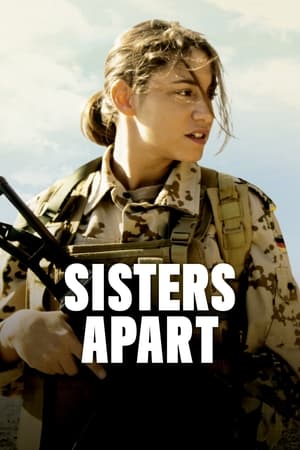
Rojda, a native of Iraqi Kurdistan and a soldier in the German army, travels to a refugee camp in Greece where she manages to meet her mother, who has bad news about her sister Dilan.
A man is beaten to death in the Middle East. In Stockholm, a young woman disappears on her way home from work. These two events will prove to be related. Since Martin Beck has quit, Steinar Hovland leads the search for the missing girl. But Martin is drawn into the case when he decides to help the national Security Police investigate a suspected terrorist. They soon realize that they are in a race against time to stop a catastrophe.
Looking to investigate recruitment techniques of ISIS to lure women into Syria, a journalist creates a Facebook profile of a Muslim convert. When an ISIS recruiter contacts her online character, she experiences the process first hand.
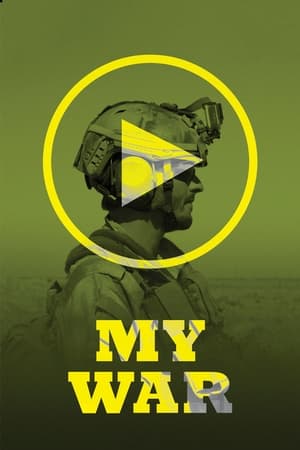
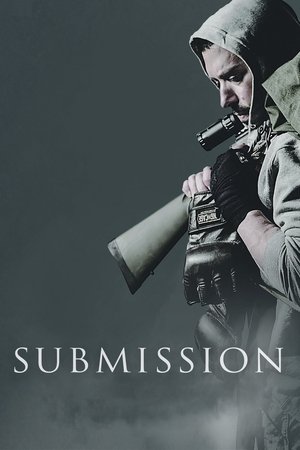
After two marines make it home following an ISIS interrogation, one struggles to survive while the other fights his way back into the mixed martial arts world that he left behind years ago.
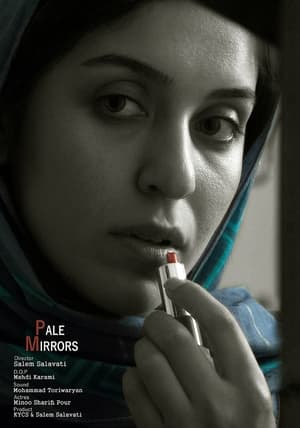
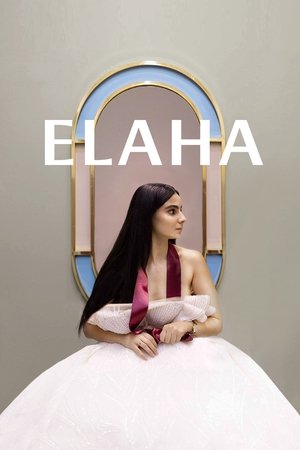
Elaha, 22, believes she must restore her supposed innocence before she weds. A surgeon could reconstruct her hymen but she cannot afford such an operation. She asks herself: why does she have to be a virgin anyway, and for whom?
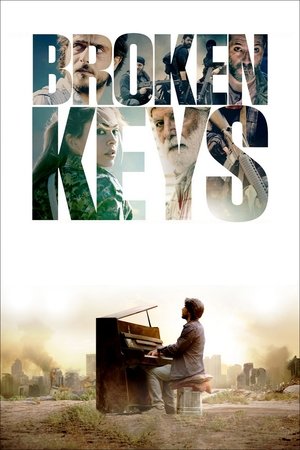
In a war-torn Middle Eastern city where music has been banned by Islamic extremists, Karim, a brilliant musician, struggles to rebuild his destroyed piano while trying to escape to Europe.
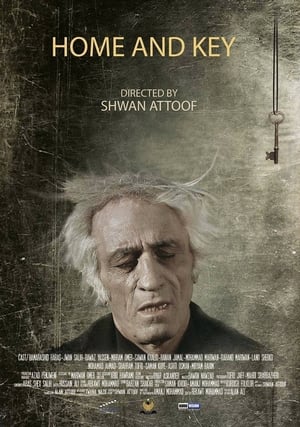
Kurdish-Iranian poet Sahel has just been released from a thirty-year prison sentence in Iran. Now the one thing keeping him going is the thought of finding his wife, who thinks he's been dead for over twenty years.
In the 1990s, some newspapers were not allowed to enter the Diyarbakir region, under a state of emergency at that time, although they were legal. Children like Bawer and Hebûn, who were part of the distribution group, would secretly collect these newspapers from outside the city at a previously agreed location and take them to the planned meeting place in the city. There, the children changed their clothes and went out to distribute them, under the guise of other work. But they were constantly followed by those who saw the newspaper as dangerous and wanted to prevent its dissemination. Çerx is a testament to the conditions under which these newspapers were distributed to readers and the difficulties encountered.
After the impressive Gulistan, Land of Roses (VdR 2016), the Kurdish filmmaker Zaynê Akyol returns with these conversations with imprisoned members of the Islamic State, alternating their words with aerial views of the countryside. An unexpected look at a far-reaching current political issue and a film whose subject matter and rhythm create an impressive cinematic object.
Elisabeth lives a quiet live in the Belgian countryside with her young adult daughter Elodie. After the divorce from her husband Elisabeth took care of her daughter on her own. When Elodie disappears over night and Elisabeth discovers that she travelled to Syria to join the Islamic State, she begins her journey to find her daughter.
Paris, spring 2015. Faustine travels to Syria with her little son to join ISIS; but, once in Raqqa, she soon realizes the hell she is gotten herself into. Her husband Sylvain quickly understands that the French government is powerless to help him, so he plans with some friends a high-risk extraction operation to get his family back.
Since 2013 more than 30,000 fighters from all over the world have joined the troops of the self-proclaimed Islamic State (Daesh) in Syria. Fighting against them as part of the YPO (Popular Protection Command) in Rojava—in the north of Syria and prevalently Kurdish—are some hundreds of Westerners. This is the story of three of them: a former American marine, an Italian anti capitalist activist, and a Swedish bodyguard.
In the winter of 1988, in the depths of the Iraq/Iran war, the border town of Halabja was attacked by chemical weapons with all its people and their different stories.
Fatma and her mother are Kurdish refugees living in Italy. One day at the hospital, Fatma learns her mother has breast cancer.
Two stories separated by 1400 years. After losing his mother in the midst of a war-torn country, an Iraqi child learns the importance and power of patience by discovering the historical story of Lady Fatima and her suffering.
A group of Malayali nurses stranded in Iraq, must survive their capture by the extremists and reach out to the rescue team headed by the Indian government.
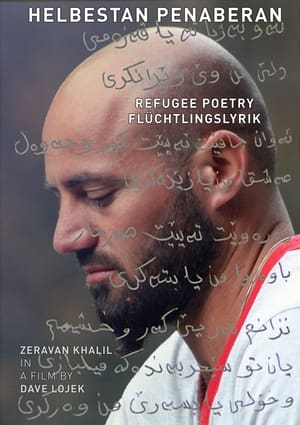
The Kurdish Iraqi poet and actor Zeravan Khalil travels with his dog through an Alpine gorge after fleeing from IS war and genocide. As he remembers the abomination, he writes a poem with the title “You drive me mad” in Kurmanji Kurdish. In his home country, Yazidic Kurds are forbidden to work in his profession. Then he eats his apple and wanders through Europe’s middle with more hope.