Nestor is a boy immersed in melancholy. In an attempt to forget an old love, he begins a relationship with Isabel, an android.
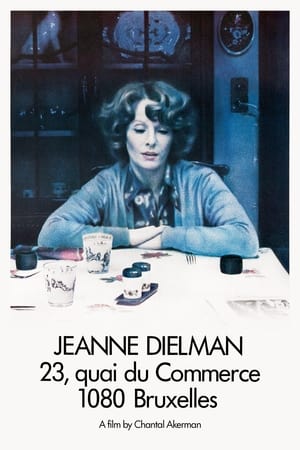
A lonely young widow lives with her son following an immutable order: while the boy is in school, she cares for their apartment, does chores, and receives clients in the afternoon.
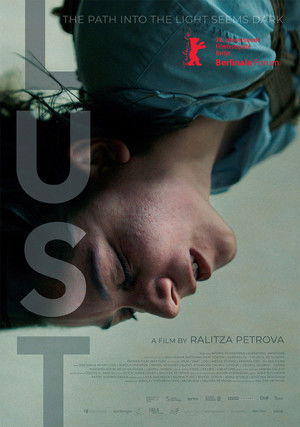
BORDERS ARE THRESHOLD LANDS. To cross one is to stand at the dawn and at the dusk of a journey; is doubt and echo of a past that still clings to the skin. The two protagonists know this well, suspended in the weighty everydayness of transformation.
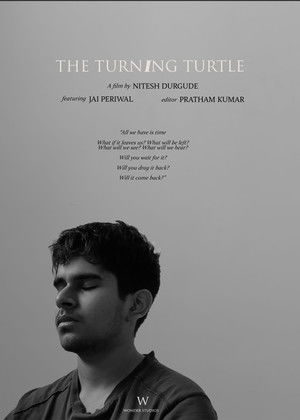
A young man performs 'pranayama' sitting against a bleak wall. We observe him through a frame that seems to be connected to him in some way. As we go on to witness the nature of the frame, will the images presented to us be able to convey his intentions, thoughts, and ultimately, his fate? This experimental feature film is comprised of 7 parts of black and white imagery with no sound at all.
While decluttering her home, a woman's hefty house renovation leads her back to the past when she uncovers her ex-boyfriend's belongings.
Luca visits his frail Nan on her deathbed, and reflects on their shared past through a series of vivid memories.
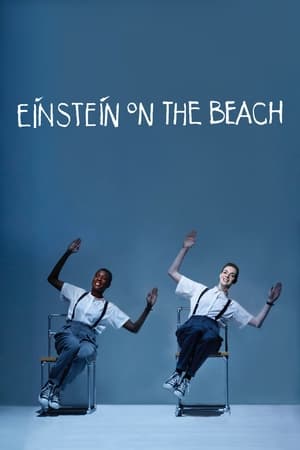
This seminal work of avant-garde opera from composer Philip Glass and director Robert Wilson arrives full-circle, coming to France, the site of its 1976 Avignon Festival world premiere, at the tail end of this 2014 revival tour for a landmark Theâtre du Châtelet production and a first ever filming by award-winning arts filmmaker Don Kent. Eschewing conventional narrative, the opera revolves loosely around pacifist Einstein’s relationship to the creation of the atomic bomb.
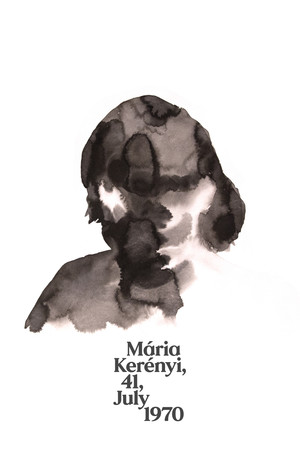
In this reenactment of a propaganda documentary, a woman is falling prey to the role assigned to her in slow motion. Upon her arrest, diplomat Mária Kerényi is interviewed by the state television. Her story in espionage confronts the mechanisms of autocracy and the concept of guilt in a closed society.
He really likes Poughkeepsie Crispies. Maybe too much. A darkly funny, minimalist loop of repetition, ritual, and barely-hinged performance.
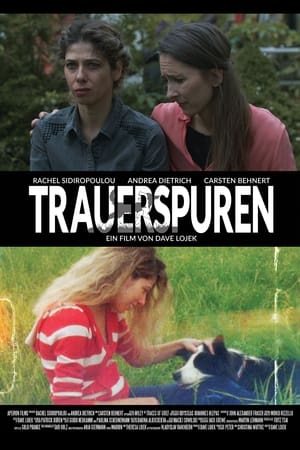
Shell-shocked Barbara must face up to the loss of a dear companion after a tragic accident. Her best friend Klara and husband Torsten devise a plan to thaw Barbara's heart, after she reminisces about the incident, the funeral, and happier times. Will she agree to the suggestions of her nearest and dearest? Can grief turn into hope?
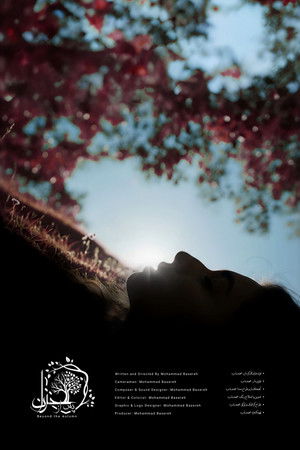
"Beyond the Autumn" «Persian: پس از خزان» is a poetic meditation on the collapse that humanity calls "the end." Here, autumn is not a season of falling leaves, but a threshold where existence sheds its veil within the shadows. Beyond this descent, perhaps only a light of serenity remains. It whispers that following the world's silence, a subtler form of consciousness may emerge. "At the farthest edge of the soil, eyes open that no longer belong to the ground."
It’s like almost all is lost. Yet still they are here – abandoned bungalows, an artificial lake, dirty plastic bottles, lost donkeys and stray dogs, draining pipes running over fields of salt, deserted factories, statues of revolutionaries, concrete playgrounds covered with weeds, rotten fruit, folded T-shirts, pop songs, decades of forgetting, a single room with a blue tent inside. And it felt like a kiss.
A young adult silently drowning in trauma, yearning to let out what’s inside of him, navigates a series of encounters—each revealing fragments of his inner struggle, toxic masculinity, and unspoken vulnerability, as well as the painful dissonance between his desires and his actions.
A lone figure moves through a quiet, dark space as the victim resists.
Notas de Cambio
A young man walks around town, after deciding against taking his own life, and comes across a dying bird--to which he chooses to offer shelter.
The creative processes of avant-garde composer Philip Glass and progressive director/designer Robert Wilson are examined in this film. It documents their collaboration on this tradition breaking opera.
A female election agent and a gun-toting soldier try to collect votes among the local islanders with mixed success.
Toyoda Toshiaki went to Sado Island and filmed musician Koshiro Hino and Kodo, the local Taiko Performing Arts Ensemble, while they performed music composed especially for Shiver.
With input from actor and writer Jan Hlobil, director and cinematographer Rene Smaal presents a film in the true surrealist tradition, in the sense that only 'found' elements were used, and that it defies interpretation based on ordinary cause-and-effect time sequence.