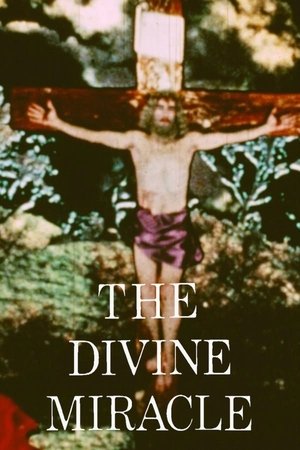
A surrealist translation of Catholic devotional postcard imagery set into unsettling motion. Preserved by the Academy Film Archive in 2008.
Adopting its title from a poem by Edna St. Vincent Millay, What’s Out Tonight Is Lost is an elegiac film sifting through the unrecoverable. The film is a reflecting pool where vision breaks up. Preserved by the Academy Film Archive in 2010.
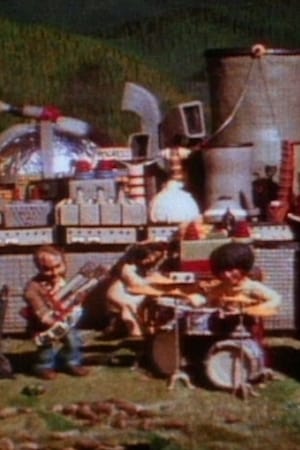
Mountain Music illustrates what happens when technology gets too advanced too soon. Preserved by the Academy Film Archive in 2012.
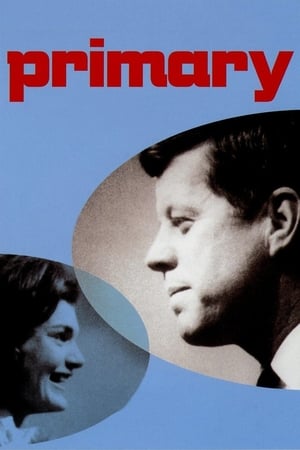
Primary is a documentary film about the primary elections between John F. Kennedy and Hubert Humphrey in 1960. Primary is the first documentary to use light equipment in order to follow their subjects in a more intimate filmmaking style. This unconventional way of filming created a new look for documentary films where the camera’s lens was right in the middle of what ever drama was occurring. Preserved by the Academy Film Archive in partnership with The Film Foundation in 1998.
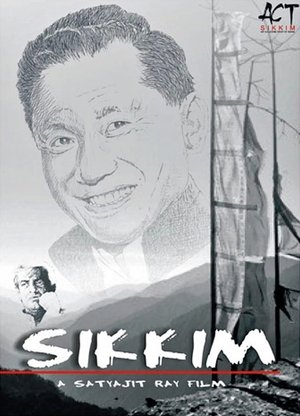
Satyajit Ray's poetic documentary was commissioned by the Chogyal (King) of Sikkim at a time when he felt the sovereignty of Sikkim was under threat from both China and India. Ray's documentary is about the sovereignty of Sikkim. The film was banned by the government of India when Sikkim merged with India in 1975. The ban was finally lifted by the Ministry of External Affairs in September 2010. Preserved by the Academy Film Archive in 2007.
A virtuosic study of sync-sound cinema, Cagean organizational strategies, and montage. Preserved by the Academy Film Archive in 2009.
Legacy takes the audience on a rapid-fire journey through the evolution of the world, starting with a cosmic bang, evolving through billions of years of plants, animals and the creation of natural resources, ending with man and his bounty – “sitting on his world contemplating his coconut”. Preserved by the Academy Film Archive in 2012.
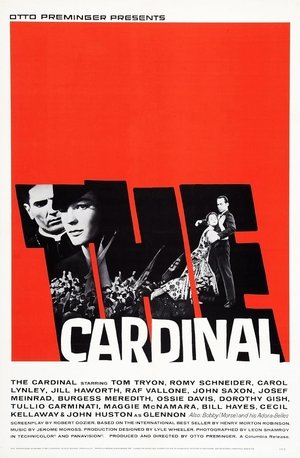
A young Catholic priest from Boston confronts bigotry, Nazism, and his own personal conflicts as he rises to the office of cardinal.
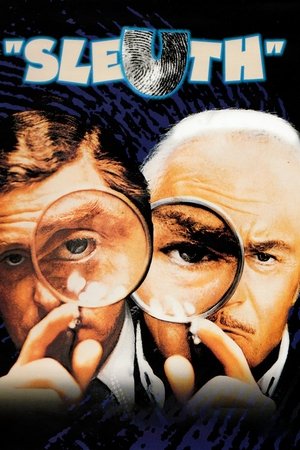
A man who loves games and theatre invites his wife's lover to meet, setting up a battle of wits with potentially deadly results.
"Taken between September 1970 and May 1971, with the unmoving camera apparently bolted to the window ledge, this film, a ten-minute eternity, chronicles what takes place within view of the lens. The backdrop is a typical New York pizza stand, the actors are selected New Yorkers who happened to be there during the half year, the plot is the somewhat sinister aimlessness of life itself." - Donald Ritchie, Museum of Modern Art, NY. Preserved by the Academy Film Archive in 2014.
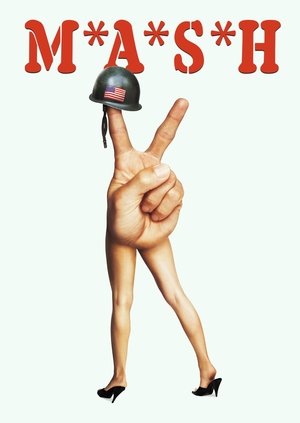
One of the world's most acclaimed comedies, M*A*S*H focuses on three Korean War Army surgeons brilliantly brought to life by Donald Sutherland, Tom Skerritt and Elliott Gould. Though highly skilled and deeply dedicated, they adopt a hilarious, lunatic lifestyle as an antidote to the tragedies of their Mobile Army Surgical Hospital, and in the process infuriate Army bureaucrats. Robert Duvall, Gary Burghoff and Sally Kellerman co-star as a sanctimonious Major, an other-worldly Corporal, and a self-righteous yet lusty nurse.
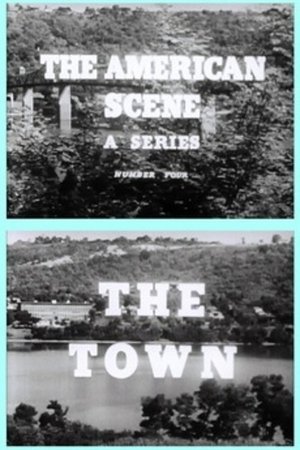
The Town was a short propaganda film produced by the Office of War Information in 1945. It presents an idealized vision of American life, shown in microcosm by Madison, Indiana. It was created primarily for exhibition abroad, to provide international audiences a more well-rounded view of America, and was therefore produced in more than 20 translations. Preserved by the Academy Film Archive in 2012.
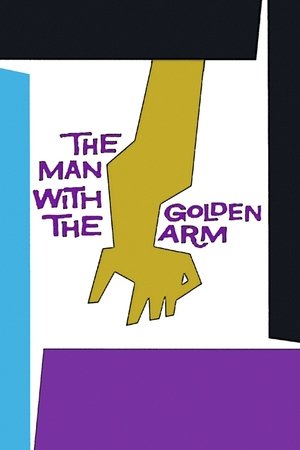
When illegal card dealer and recovering heroin addict Frankie Machine gets out of prison, he decides to straighten up. Armed with nothing but an old drum set, Frankie tries to get honest work as a drummer. But when his former employer and his old drug dealer re-enter his life, Frankie finds it hard to stay clean and eventually finds himself succumbing to his old habits.
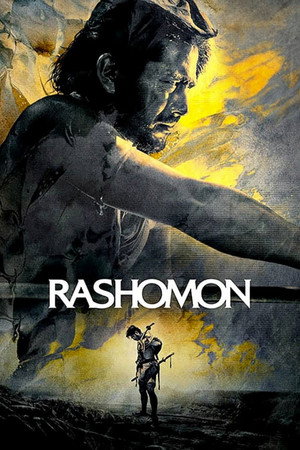
Four people recount different versions of the story of a man's murder and the rape of his wife.
‘A beautiful, mysterious yet satisfying optical illusion…celebrates the early passing of a steam on the Thames. Using freeze-frame techniques, elaborate dissolves, and most of the resources on the optical table, this picture is, amongst other things, a Turner come to life. Rimmer’s concern with the surface nature of the film is most evident in this work which, in spite of its filmic complexity, is incredibly simple.’ — Donald Richie. Preserved by the Academy Film Archive in partnership with Pacific Cinematheque in 2013.
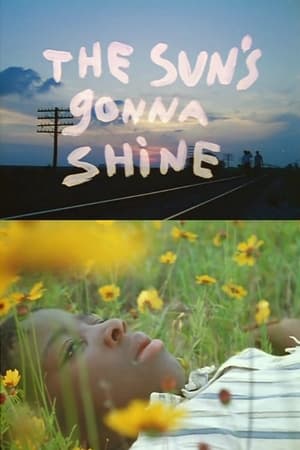
A lyrical recreation of Lightnin’ Hopkins’ decision at age eight to stop chopping cotton and start singing for a living. Preserved by the Academy Film Archive in 2013.
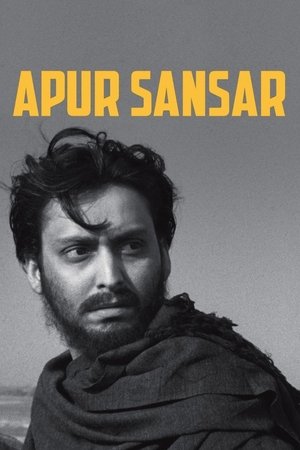
Apu, now a jobless ex-student dreaming vaguely of a future as a writer, is invited to join an old college friend on a trip up-country to a village wedding.
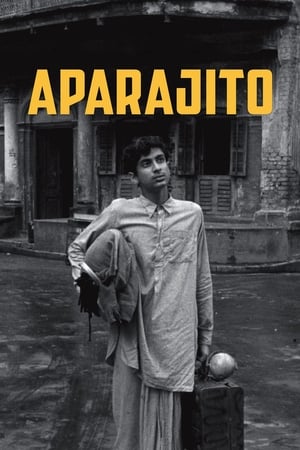
Apu and his family have moved away from the country to live in the bustling holy city of Benares. As he progresses from wide-eyed child to intellectually curious teenager, eventually studying in Kolkata, we witness his academic and moral education, as well as the growing complexity of his relationship with his mother.
A “found object of paint and mold” given to Brakhage by the poet David Meltzer. According to Jane Brakhage, Stan did nothing to it but see it, splice it, and add titles. (From Barrett and Brabner. Stan Brakhage: A Guide to References and Resources)
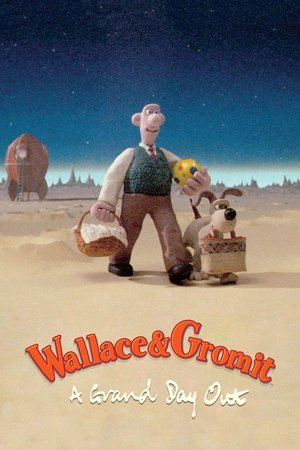
Wallace and Gromit have run out of cheese, and this provides an excellent excuse for the duo to take their holiday to the moon, where, as everyone knows, there is ample cheese.