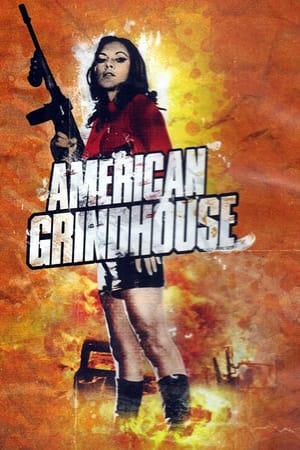
Artist Taylor Denise sets out to make her first painting, which also happens to be her largest work to-date. As she embarks on this creative process of making shit because it looks cool, she's met with comradery, debauchery, and people's brains interrupting art whatever way they want to-ery.
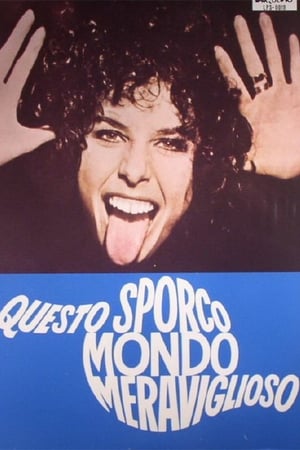
Mondo Cane and the Schoolgirl Report series stand as obvious influences on this occasionally amusing but generally rather tedious exploitation film that alternates between documentary, fake documentary and docudrama. The theme is Satanism and the linking thread is a recreation of what is supposedly the real-life case of a murder and attempted murder of two Munich teenage men by a quartet of girls who had been dabbling in devil worship. During the ensuing trial, the lawyer resorts to dilatory tactics while the hearing is frequently interrupted by the girls breaking into incantation, temper tantrums or shivery fits ostensibly bearing on demonic possession. When the subject of the Manson killings is brought up, the most obnoxious of the defendants breaks in indignantly, claiming that Sharon Tate’s “execution” was justified as she posed dangers to the Satanic community.
Cousins Menahem Golan and Yoram Globus relive the creation, rise and fall of their independent film company, Cannon Films. This documentary recounts their many successes and discusses their eventual downfall.
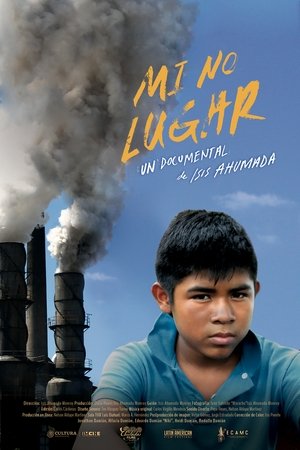
A boy migrates from Guerrero to Colima in Mexico, guided by the illusion of his parents, who want him to study high school. Nevertheless, the inequality barriers force him to work as a sugarcane harvester.
This documentary explores an unknown civilization of the Brazilian Amazon, who risk their lives to protect their forest. In order to save the exploitation of the environment by big corporations, they have to create legal institutions.
American resort developers bear down on the wild west coast of Nicaragua, hoping to build the next tourist paradise. With lax labour and environmental regulations, some of the developers take full advantage of the situation, and the local fishermen start accusing them of exploitation and land thievery. Unexpectedly, in the midst of this conflict, firebrand Daniel Ortega and the Sandinistas sweep back into government, boldly empowering the local fishermen. The tables turn viciously on the American developers, who get much more than they bargained for. But when the local fishermen, corrupted by new found power, begin acting in the same manner as the American developers, questions are posed about human nature, morality, and ethics on a much larger scale.
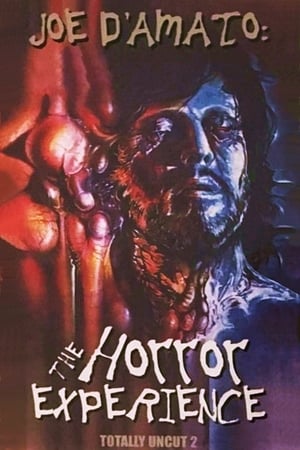
Documentary on various horror movies that Joe D'Amato directed and/or produced in the 1970's, 1980's, and early 1990's.
A former lawyer leaves everything behind to embark on the quest for a dinosaur-like animal supposedly living in Africa's unexplored forests.
This Emmy award-winning documentary explores the deeply rooted psychological issues that victims of sex trafficking face on a daily basis at the hands of pimps and buyers. Through firsthand testimony of abuse from three survivors of the illicit sex trade, the complex nature of this form of modern-day slavery is revealed. Investigative interviews with leading experts provide further insight on what drives the industry, exposing misconceptions many of us harbor that allow sex trafficking to thrive.
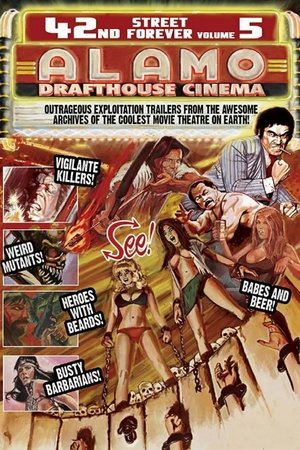
WELCOME TO THE ALAMO DRAFTHOUSE CINEMA, the most awesome post-modern hot spot for exploitation movie revival, deep in the heart of Texas! Home to world-famous events such as The Quentin Tarantino Film Fest, Fantastic Fest and Butt-Numb-A-Thon, the Alamo is one of the last places on earth where you can still see grindhouse classics such as THE DEVIL WITHIN HER and MAD MONKEY KUNG FU. Now, the Alamo has opened their vaults for a peek at some of the most outrageous cinematic gems from several golden ages of sleaze cinema. Digitally re-mastered in high-definition from the actual reels that show every week at the Alamo, this exciting edition of the 42ND STREET FOREVER series is the most bizarre, the most terrifying and the most hilarious one yet!
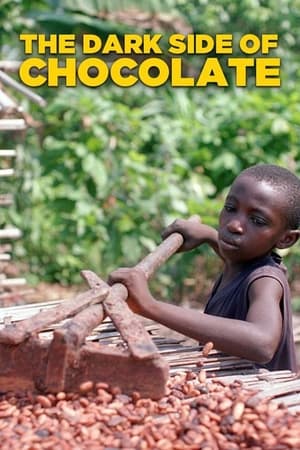
A team of journalists investigate how human trafficking and child labor in the Ivory Coast fuels the worldwide chocolate industry. The crew interview both proponents and opponents of these alleged practices, and use hidden camera techniques to delve into the gritty world of cocoa plantations.
Though the release date says 1956, this film consists mostly of footage from a 1931 documentary called "Gow the Killer." It was the first sound film to deal with cannibalism, as it documented the social life and customs of primitive tribes that in fact did engage in cannibalism.
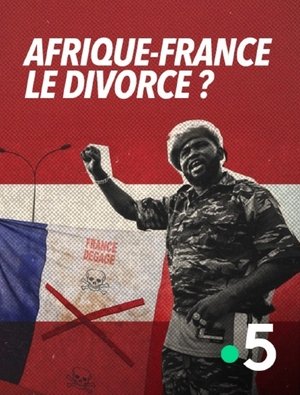
At a time when French flags are being burned and French embassies targeted, this documentary delves into the growing disaffection between French-speaking Africa and the former colonial power. Through the voices of African leaders, pan-African activists, and committed young people, the film questions the persistence of a relationship marked by the aftermath of colonization, the opaque agreements of "Françafrique," and a military presence deemed paternalistic.
A homeless man begins a killing spree on the streets of New York City. Completely deranged and barely aware of his own identity, he makes little attempt at concealing his actions. But in a city with 50,000 homeless citizens, our killer finds himself effortlessly camouflaged.
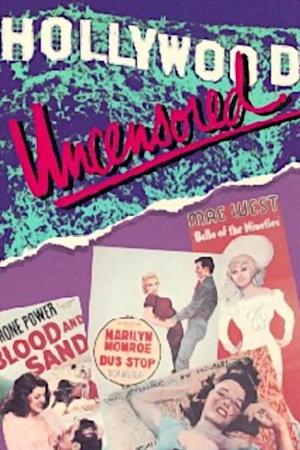
Hollywood is a town of tinsel and glamour; but there is another Hollywood, a place where maverick independent exploitation filmmakers went toe to toe with the big guys and came out on top.
Since the 1970s and the influx of European, Chinese, Russian, and Turkish trawlers, West African waters have been overexploited. Whether for fishing or fishmeal production, these foreign powers have endangered the livelihoods of local fishermen and artisans.
This documentary explores the hidden history of the American Exploitation Film. The movie digs deep into this often overlooked category of U.S. cinema and unearths the shameless and occasionally shocking origins of this popular entertainment.
Douglas Fairbanks Jr. and Peter Fonda host an examination of the history of decency standards for movies from the early 1920s onwards.
In the final decades of the 20th century, the Philippines was a country where low-budget exploitation-film producers were free to make nearly any kind of movie they wanted, any way they pleased. It was a country with extremely lax labor regulations and a very permissive attitude towards cultural expression. As a result, it became a hotbed for the production of cheapie movies. Their history and the genre itself are detailed in this breezy, nostalgic documentary.
A collection of numerous burlesque acts from the 1950s, including strippers, and cult character Betty Page introducing the acts.