Tuna are among the top predators in the oceans. But the hunter is also the hunted: many species are overfished. Can we use the riches of the oceans without destroying them?
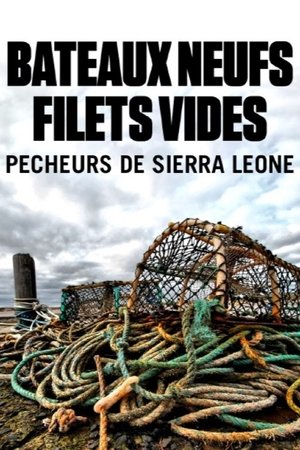
The New Boats is an investigative documentary that presents an eye-opening look at the impact of international industrialized fishing in West African waters and its disastrous effect on local communities at a critical point in Sierra Leone's history.
In Paul Brandt’s filming debut, he joins friend Paul Norris and legendary fly-fishing guide, Naoto Aoki, on a journey that is both a look into his consuming passion for fly fishing and an ode to his hometown of Calgary, which he dubs as the World’s Largest Fly Fishing Lodge.
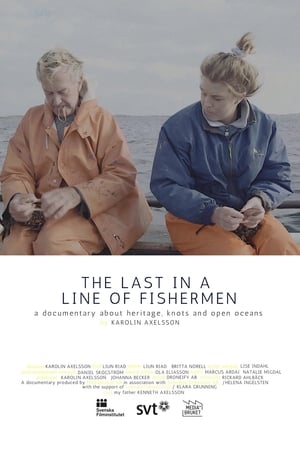
I have returned to the island were I grew up. My dad has spent thirty years alone at sea fishing lobster. He was taught the trade by his dad, who learnt from his dad. A heritage pasted down from father to son. My father never got a son, only daughters and since I was a girl no one assumed I was interested. After I turned eighteen I left Sweden and moved to Australia. After a decade abroad I started to long for home. I return to the island to see if I have it in me, can I learn the things I was never taught as a child? Will the legacy fade with me or can I become the family's next lobster fisherman? /Karolin Axelsson
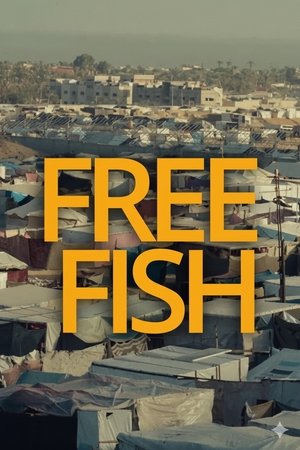
Free Fish is a short documentary filmed over the course of a year in Gaza, following two brothers — Abu Nagham and Ahmad — separated by war yet connected by the sea. Displaced from their home, Abu Nagham now lives in a tent in the south, fishing with his young nephew Rami, who lost his twin brother. Ahmad remains in the north, fishing amid ruins and occupation. Once a source of livelihood and freedom, the sea has become a battleground — heavily restricted, constantly watched, and always dangerous.
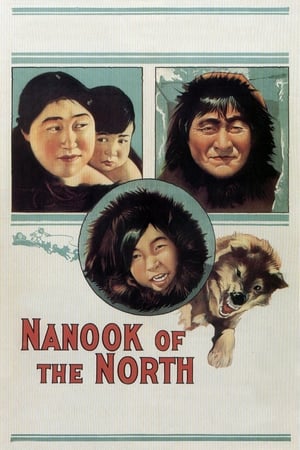
This pioneering documentary film depicts the lives of the indigenous Inuit people of Canada's northern Quebec region. Although the production contains some fictional elements, it vividly shows how its resourceful subjects survive in such a harsh climate, revealing how they construct their igloo homes and find food by hunting and fishing. The film also captures the beautiful, if unforgiving, frozen landscape of the Great White North, far removed from conventional civilization.
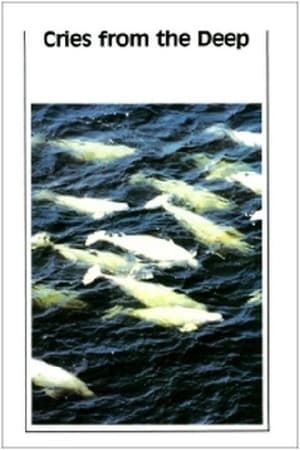
This documentary records the journey undertaken by Jacques Cousteau, his 24-member team, and an NFB film crew to explore the Grand Banks of Newfoundland, one of the world's richest fishing areas. They discover shipwrecks, film icebergs and observe beluga whales, humpback whales and harp seals. The film also includes a fascinating sequence showing Calypso divers freeing a calf whale entrapped in a fishing net.
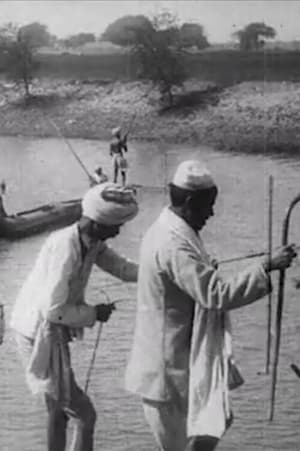
The Maharajah of Kapurthala and guests travel on elephants and men catch fish on the River Bias.
Every day, fishermen venture out into the polluted waters of Sepetiba Bay to provide for their families, searching for what remains of the region's marine life.
Jak se žije s českou rybou podle Jána Piroha
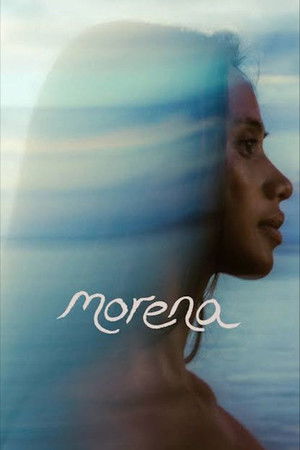
MORENA tells the uplifting story of the Philippine National Surf Athlete Ikit Agudo, who overcame the pressure to blend into a society obsessed with skin whitening. Within the ocean, she found happiness, strength, and pride in her roots. Inspiring young girls around the world to embrace who they truly are. In the Philippines, skin-whitening remains a billion-peso industry, a legacy of colonial beauty ideals that for generations have led many to neglect their true identity and natural beauty.
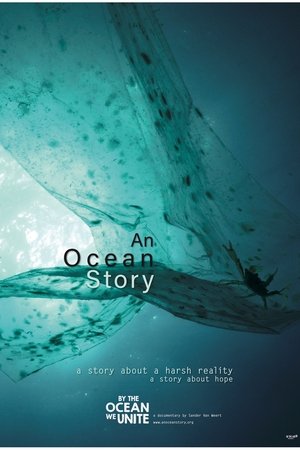
Increasing pollution, over fishing and climate change are major threats our oceans are currently facing worldwide. This documentary follows us on our journey as we film devastating consequences of these harsh realities.
Nachtwake
In 1965, on the Eastern Shore of the Chesapeake Bay, there was the last operating fleet of sailing work boats in the United States. Forty-odd "Skipjacks" were still used by Maryland watermen to dredge up oysters from the Bay. At that time, the fleet had survived because of a Maryland conservation law which prohibits the use of motor power for oyster dredging. The watermen traditionally marked the opening of each oystering season with a skipjack race which the Maryland State Tourist Board incorporated into its annual "Chesapeake Bay Appreciation Day."
Ľudové rybárstvo na Slovensku
There's No Fish in Lake Michigan is a short documentary exploring salmon's surprising presence in Chicago and the communities, industries, ecology, and history surrounding it. Made by Allegra Hatem, Macallister Rescorl, and Joshua Silver.
Amateur film of fishing and geese-shooting trips by a British party in India.
Louisiana filmmaker, Pat Mire, teams up with veteran filmmaker and cinematographer, Charles Bush, to capture the natural drama of handfishing in this award-winning documentary. Highly visual, the film examines the thrilling regional phenomenon of Cajuns who wade in murky bayou waters to catch huge catfish and turtles by reaching into hollow logs and stumps with their bare hands. Friends and family accompany the handfisherman to the bayou banks for Cajun music, festive cooking, and storytelling, and to witness this increasingly rare tradition. Told from the inside with multiple voices, Mire and Bush explore the chain of events set off by man's attempt to "improve" his environment by dredging bayous in this remarkable study of the relationship between cultural and natural resources.
Work. Eat. Sleep. And back to work. For a long time skippers in the North East of Scotland could not find locals to work on their fishing vessels. That was until Filipino fishermen started coming to town for work. Both nationalities strive to shorten the distance between two very different worlds.
Documentary about Japanese pearl fishers.