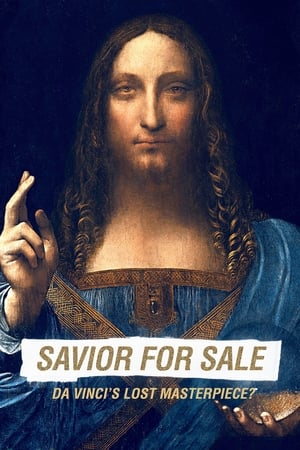
In November 15, 2017, the painting Salvator Mundi, attributed to Italian artist Leonardo da Vinci (1452-1519), was sold for an unprecedented $450 million. An examination of the dirty secrets of the art world and the surprising story of how a work of art is capable of upsetting both personal and geopolitical interests.
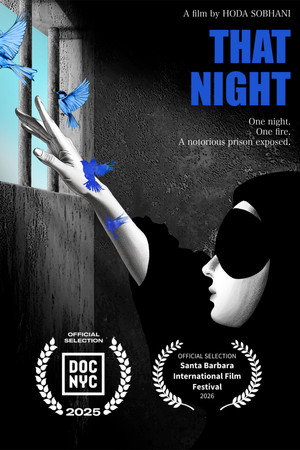
Told through striking animation, one woman’s powerful account of surviving a fire in Tehran’s Evin prison captures resistance; an urgent, creative act rooted in the Iranian Woman! Life! Freedom! movement.
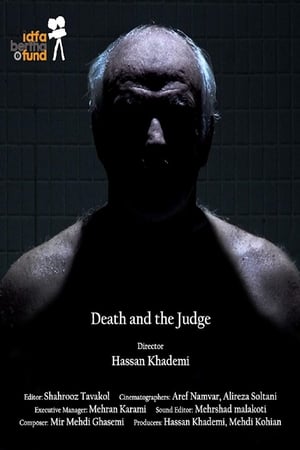
The documentary, " Death and the Judge", revolves around Iran's most famous criminal judge, Azizmohammadi. He served as a criminal judge for 45 years and issued about 4500 death sentences; a record in not only Iran, but also the world. This documentary looks into his personal and professional life as he is followed within his home with his family, in the court of law, and in his retirement days. The ultimate purpose of the documentary is to deduce the role of death in the judge's life as he either takes life away from criminals or death comes to his loved ones. During his retirement, he is once again given the choice between the life and death of a person, despite no longer being a judge.
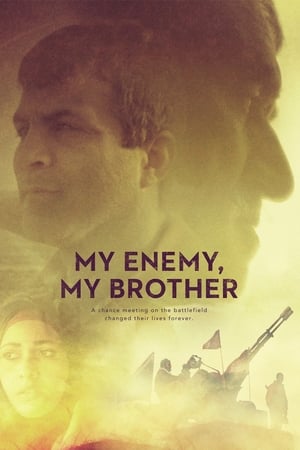
The eight-year Iran-Iraq War was one of the most brutal conflicts to devastate the region in the 20th century. Zahed was 13 years old when he enrolled in the Iranian army. Najah was 18 when he was conscripted into the Iraqi army, and he fought against Zahed in the Battle of Khorramshahr. Fast forward 25 years, a chance encounter in Vancouver between these two former enemies turns into a deep and mutually supportive friendship. Expanded from the 2015 short film by the same name.
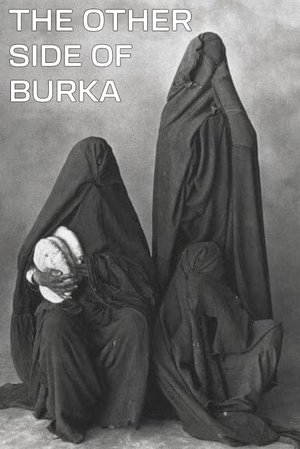
The Other Side of Burka is a 2004 Iranian documentary directed by Mehrdad Oskouei. In the southern island of Qeshm, Iran, which is a very strict region in point of tradition and African-Arabic rules, all women are under the pressure of patriarch society. Their sufferance is manifested by different mental (Zar, Possession) and physical diseases which must be only treated by Zar Ceremony. For the first time, despite the danger these women face, this film tells us the sad story of their life and shows their confection in front of the camera. It tries to be an honest mirror which reflects their sufferance and unveils their Burka to reveal their real characters.
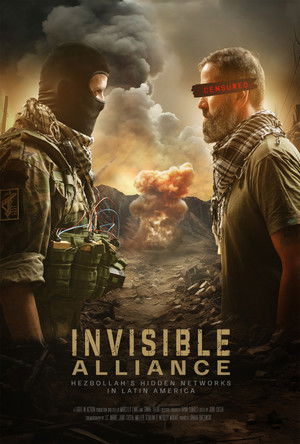
A Hezbollah suicide bomber breaks silence to reveal the inner workings of the organization and his involvement in a narcotrafficking alliance with the FARC. Discover the hidden agendas between Iran, Latin American governments and organized crime.
Iran, January 16th, 1979. Shah Mohammad Reza Pahlavi flees after being overthrown. Ayatollah Khomeini returns to Tehran and proclaims the Islamic Republic on April 1st, 1979. In the same year, Saddam Hussein seizes power in Iraq and, after several border skirmishes, attacks Iran on September 22nd, 1980, initiating a cruel war that will last eight years. Since its outbreak, correspondent Saeid Sadeghi documented it from its beginning to its bitter end.
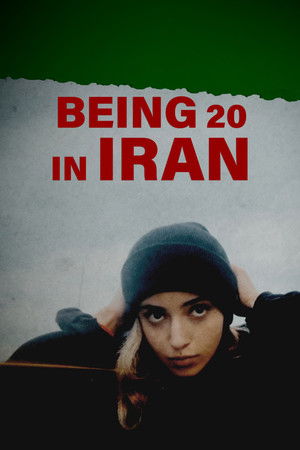
Nous, Jeunesse(s) d'Iran
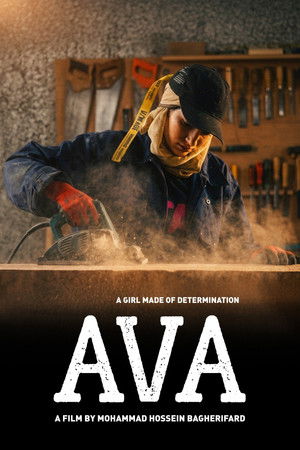
Breaking a centuries-old taboo, Ava stands as the first woman in Iran to master the male-dominated craft of carpentry. Within the grit and clamor of the workshop, she confronts a society that deems her presence forbidden. This observational documentary captures her daily battle against physical hardships and social judgment.
Hoffnungsschimmer am Horn von Afrika
Turkey's history has been shaped by two major political figures: Mustafa Kemal (1881-1934), known as Atatürk, the Father of the Turks, founder of the modern state, and the current president Recep Tayyıp Erdoğan, who apparently wants Turkey to regain the political and military pre-eminence it had as an empire under the Ottoman dynasty.
Deng Xiaoping's economic and political opening in China. Margaret Thatcher's extreme economic measures in the United Kingdom. Ayatollah Khomeini's Islamic Revolution in Iran. Pope John Paul II's visit to Poland. Saddam Hussein's rise to power in Iraq. The Soviet invasion of Afghanistan. The nuclear accident at the Harrisburg power plant and the birth of ecological activism. The year 1979, the beginning of the future.
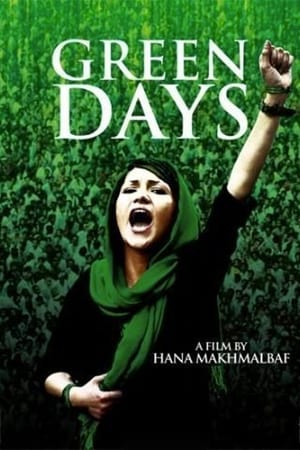
A playwright Iran tries to confront a creative crisis while political clashes erupt during her country's 2009 election.
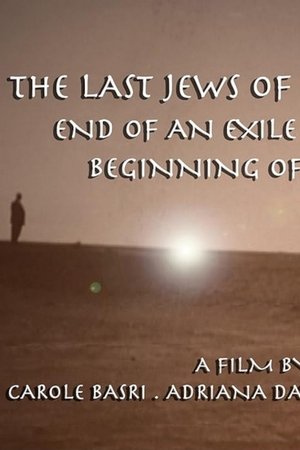
The Last Jews of Baghdad takes a historical and personal look at the persecution, torture, escape and exodus of over 160,000 Iraqi- Jews between the years 1940 through 2003. Hear from the survivors the real reasons why they left their beloved homeland of over 2500 years and if they will ever return.
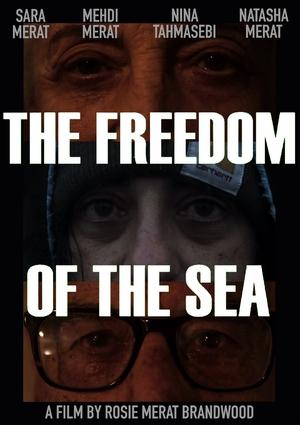
The Freedom of the Sea is a short documentary highlighting the freedom of living in the UK - in contrast to a more restrictive life in Iran - through the joy of daily sea swimming in Brighton.
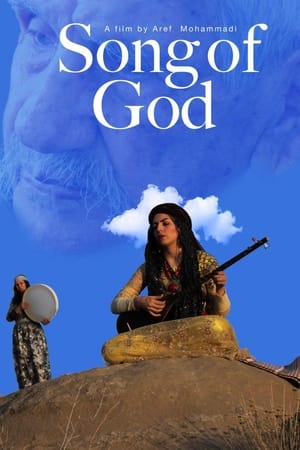
When an Iranian-Canadian filmmaker hears the story of Master Ghadamyar- a Kurdish 120-year-old Tanbur player, he takes off on a mission to discover more about this spiritual master's musical and enchanting life. The film follows his journey to Western Iran, where he unearths the ancient traditions and teachings of Ghadamyar's faith known as Yarsanism, and its relationship to the mysterious Tanbur as a meditative instrument. The film takes audiences on a musical and visual quest among rugged landscapes of Western Iran to experience undiscovered voices and spiritual awakening. We witness the collective prayer of Yarsani Tanburists, as a practice to maintain their spiritual identity and search for inner beauty.
In this guided tour of a unique Persian carpet, a close-up of the delicate "spine" of a tree branches out into the discovery of a fantastical world.
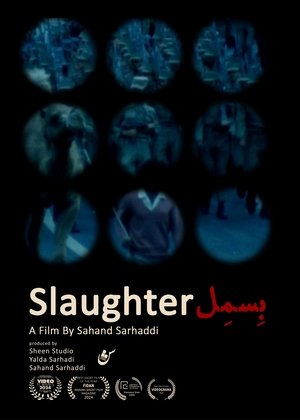
"Slaughter" is an experimental short film that delves into the archival and historical footage of the Iranian Revolution in 1979, depicting a symbolic narrative surrounding the ritualistic act of animal sacrifice, known as "Besmel." It serves as an allegorical representation of a nation's sacrifice amidst the backdrop of political transformations.
An experimental film about narrations of two journal photos from Iran's revolution in 1979.
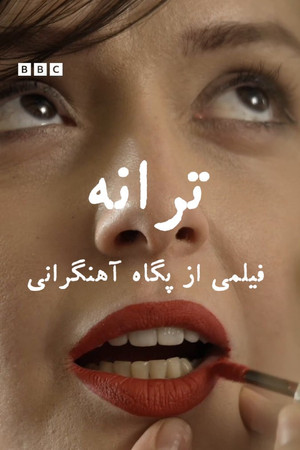
Nearly three years have passed since the "Woman, Life, Freedom" protests in Iran. Many who took part in the 2022 (1401) demonstrations paid a heavy price: some were killed, many were permanently injured, others were sentenced to long prison terms, and many lost their jobs. Among the well-known figures who supported the protests was Taraneh Alidoosti, one of Iran’s most prominent film actresses. After she posted an unveiled photo of herself and later protested the execution of Mohsen Shekari, she was imprisoned. Following her release, she became ill and remained out of the public eye for some time. Alidoosti has also been banned from acting in cinema. For the first time, in the documentary Taraneh, produced by Pegah Ahangarani, Alidoosti speaks about her decision to join the protest movement after the killing of Mahsa Amini. She talks about the day she was arrested at home in front of her little daughter and about the loss of her skin due to an autoimmune disease.