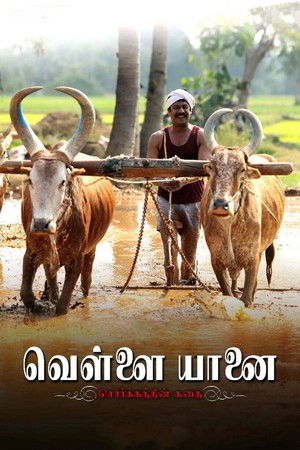
Vellai is a farmer from an economically self-sufficient village. But when he and the villagers take a bank's crop loan, they get caught in debt due to drought and low prices for crops. So few desperate farmers migrate to the city in search of a job. Can they pay off their debt? Or will they give up farming?
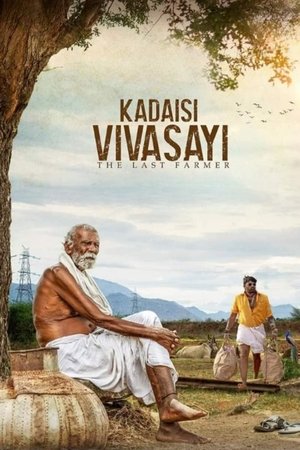
Maayandi, the only farmer in a village that has abandoned farming, is charged with a petty case that leads to his imprisonment.
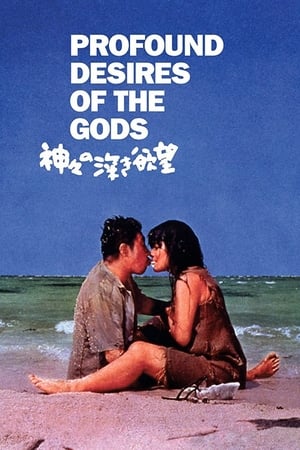
Tokyo engineer Kariya arrives on a primitive tropical island, where he interacts with the Futori clan, to drill a well to power a sugar mill.
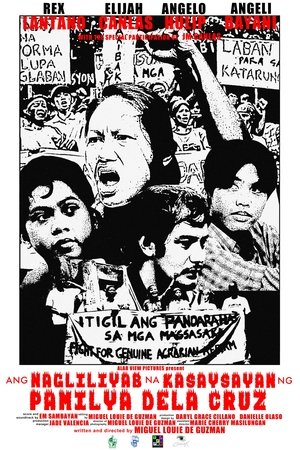
Faced with a series of terrible incidents, the Dela Cruz family now has to make a decision that will alter the history of their family.
A theater group begins their rehearsal on a play about a witness' account of a massacre eventually leading to a confrontation and inner conflicts of the actors portraying their roles.
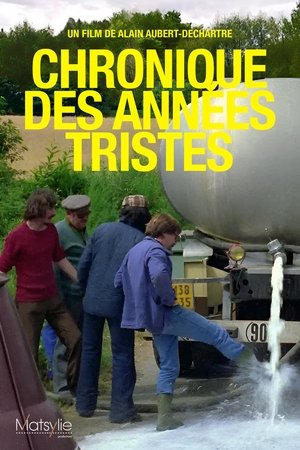
Here is a film that is, to say the least, singular. A fiction filmed under Giscard, in two farming families, one in Brittany and the other in Languedoc. One sees the Catholic mass and the mass of the television news, one hears the Benedicite and the Internationale, a rural class struggle is played out, daily peasants against the aristos in the middle of a hunt...Chronicle of the Sad Years tells the story of the new forms of subjection suffered by the workers of the land, discovering the perverse effects of the CAP and the growing influence of agribusiness. A film in which the director, Alain Aubert-Dechartre, stages a historical turning point, the forced conversion of peasants into technicians of farms of which they will be the first to be exploited
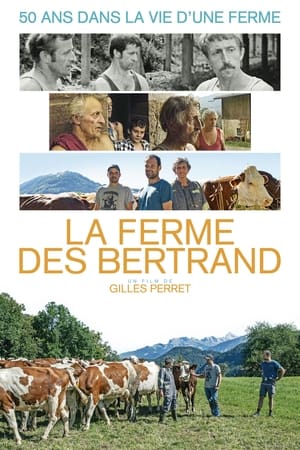
1972 in Haute-Savoie (France) : the Bertrand's farm, with a hundred dairy cows owned by three bachelor brothers, is filmed for the first time. In 1997, they were the subject of Gilles Perret's first movie, as they let their farm to their nephew Patrick and his wife Hélène. Nowadays, 25 years later, Gilles Perret take another look at this farm, managed by Hélène who will step down. Through their words, an intimate, social and economic history of the rural world.
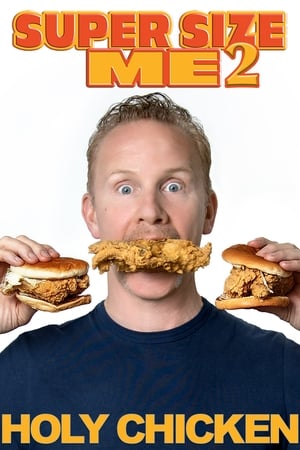
Muckraking filmmaker Morgan Spurlock reignites his battle with the food industry — this time from behind the register — as he opens his own fast food restaurant.
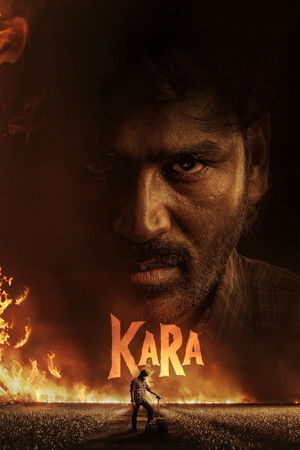
A man shaped by violence and survival finds himself pulled back into danger he cannot escape. As hostile forces close in, past decisions begin demanding repayment. Every confrontation raises the cost of staying alive. Survival depends on resolve, instinct, and the willingness to face consequences head-on
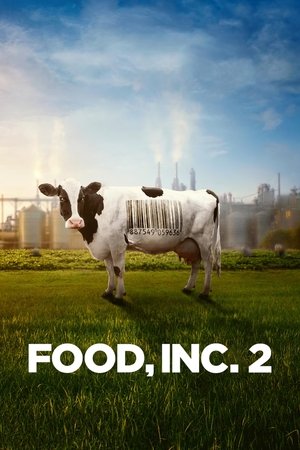
Filmmakers Robert Kenner and Melissa Robledo reunite with investigative authors Michael Pollan and Eric Schlosser to take a fresh look at our efficient yet vulnerable food system.
Cows With No Name is almost a diary, filmed one day at a time, of each stage of this process, documenting the operation of the farm with critical and incisive humour. But it is also an intimate documentary. By filming scenes of daily life on the family farm, around the kitchen table during meals, or in front of the TV in the evening while everyone falls asleep on the sofa, more personal questions are raised: the farmer’s connection to his herd, or even the handover that Hubert has chosen not to ensure.
Ever since it was revealed that the chocolate industry is involved with child slavery in the Ivory Coast, the industry has been busy – due to consumer demands – explaining what exactly it does to actively fight trafficking and child labour. But does the industry live up to its own promises?In this investigative film, director Miki Mistrati tries to find out, if the chocolate industry – which is one of the largest corporations in the world – speak the truth, when they say that they provide education, medical care etc for the children of the Ivory Coast. But the project runs into trouble already from the get-go, because the embassy of the Ivory Coast won’t let Miki enter the country until he has an invitation – from the chocolate industry.
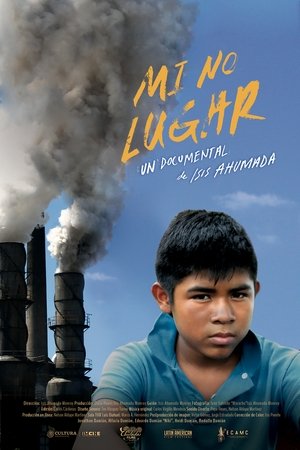
A boy migrates from Guerrero to Colima in Mexico, guided by the illusion of his parents, who want him to study high school. Nevertheless, the inequality barriers force him to work as a sugarcane harvester.
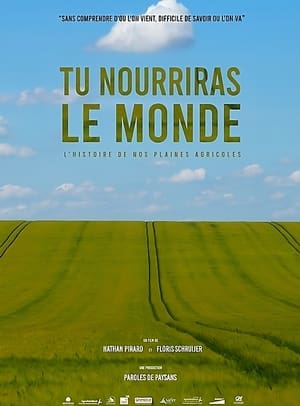
Tu nourriras le monde
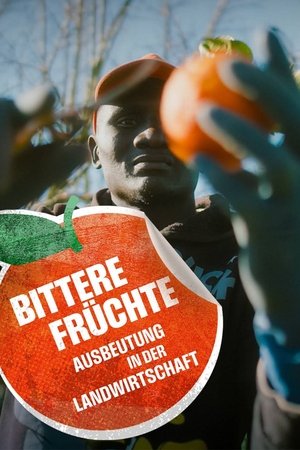
The documentary follows the trail of fruit and vegetables from the shopping cart back to various cultivation areas throughout Europe. The entire supply chain is revealed via a system that includes the inhumane exploitation of harvest workers and agricultural businesses. The aggressive pricing policy of the supermarket groups, their "lowest price promise", has established a modern form of slavery in Europe.
Claudio, a womanizer, contracts AIDS due to his promiscuous lifestyle, and, in the hospital, he meets Mauricio, a homosexual Evangelist who is also infected and will discover Jesus to Claudio.
A teenage girl during Japanese occupation of Northeast China joins a group of bandits to get revenge after her friend is brutally gang-raped by the invaders.
A Japanese omnibus film composed of three short dramas—Good Night Caffeine, Hanabi Cafe, and BREAK—that each center around coffee-themed moments and the personal growth of their characters.
It's 1992. Martin is 17 and he films his daily life with his Hi8 camera. He films anything and everything—his room, the world around him... But never his father, the thought doesn't occur to him. One day he meets Dominique. He's 23 and works as a student monitor at Martin's high school.