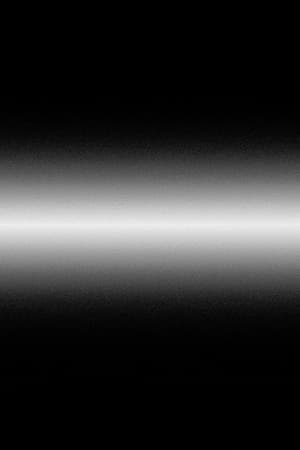
Rainer Kohlberger’s abstract film was created entirely without a camera. Through digital algorithms, he precisely arranged a rhythm of light and shadow that pulsates off the screen into our physical space with blinding intensity. The presence of light is almost felt as we are sucked into the image to become its ghostly accomplice. As we leave the theatre, the optical vibrations continue to haunt us.
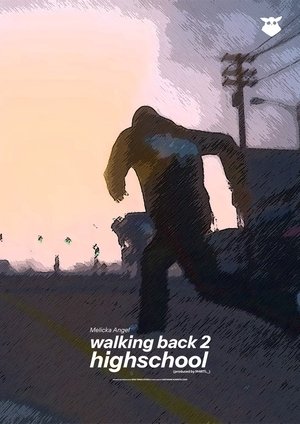
A student finds out he is late for his train.
A burst of cheer and refreshment that it seems perfectly suited to a late July afternoon.
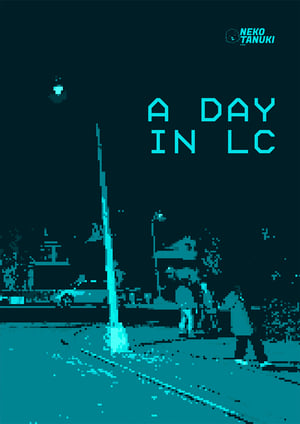
A person living in Liberty City goes to work, have some food & gets back home.
Death takes centre stage and faceless spectators applaud the inevitable in a series of murderous dreams.
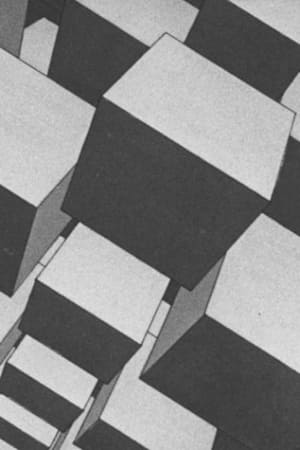
In Wiertz and Verbeek's kinetic, kaleidoscopic opus Keep on Turning (1974, 3 min, 16mm, sound) cubes convey, rotate and shift in tandem.
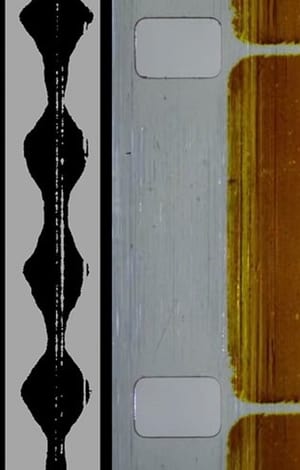
An exploration of the relationship between sound and picture inspired by the two lights (twi-light) found inside film projectors.
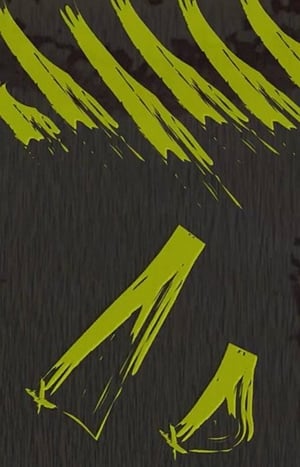
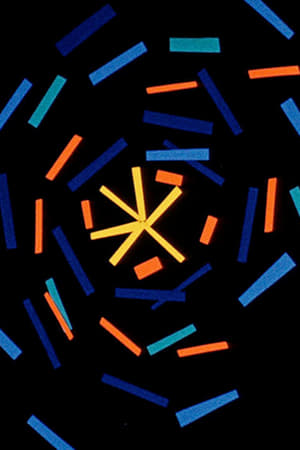
Channelling Lye and McLaren, de Bruyn continues his explorations of ‘direct-to-film’ inspired artwork barely contained within the frame.
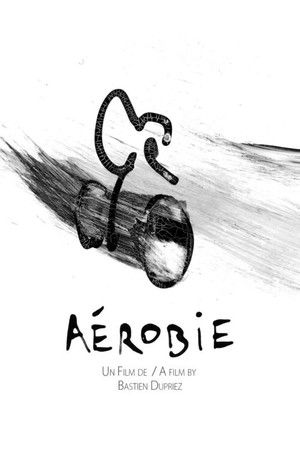
With a rushing smear, a cyclist begins his race.
A deep dive into a snowstorm of structural chaos and a blizzard of exploding gestural animation.
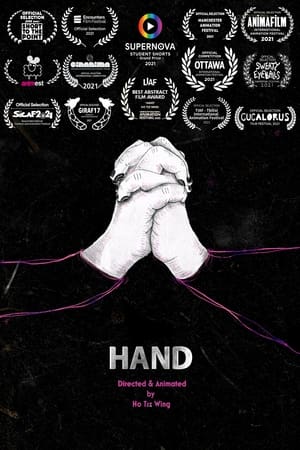
A hand moves gently, its presence shifts continuously.
Hand painted directly onto film stock by Margaret Tait, this film features animated dancing figures, accompanied by authentic calypso music.
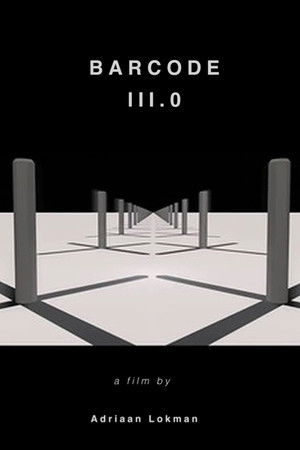
A unique journey across a topography created entirely from a form of digital light and shadow—a bristling terrain of poles bending the light in every direction. This film is the remake of Barcode, an abstract road-movie about light and shadows.
A vibrant animation by Patricia Marx. Preserved by the Academy Film Archive in 2000.
Three books: a film festival catalogue, a dictionary, the Bible. Three works whose materiality has become obsolete by the digital dematerialization. A commentary on the fragility of culture.
This newly rediscovered short was created in Jim's home studio in Bethesda, MD around 1961. It is one of several experimental shorts inspired by the music of jazz great Chico Hamilton. At the end, in footage probably shot by Jerry Juhl, Jim demonstrates his working method.
An abstract animated film inspired by the work of jazz musician Chico Hamilton.
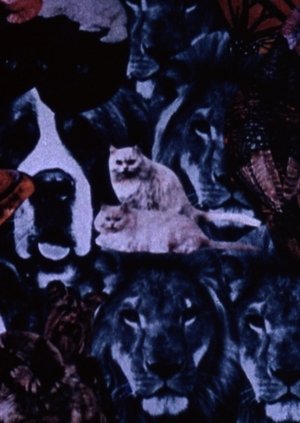
"Mouris’s film, YOU’RE NOT REAL PRETTY BUT YOU’RE MINE…, built upon the strongest elements of QUICK DREAM, and added a pop music soundtrack. Mouris says, “I shot another 100 foot roll on classmate Jerry Strawbridge’s home animation stand, and edited that into the best sequences from QUICK DREAM. The whole film was a tongue-in-cheek series of odd couples/couplings, which the title suggested. The FRANK FILM photo collage animation evolved here.” - Yale
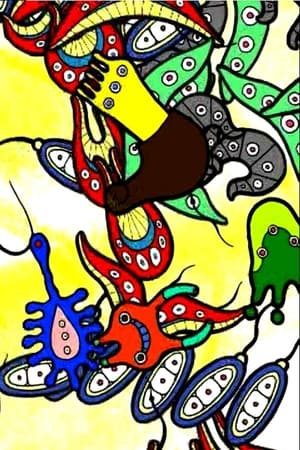
The weird hand creatures undergo different transformations in synchrony with the music.
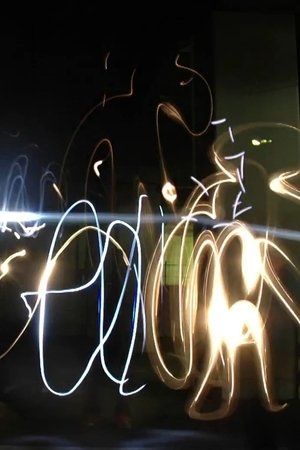
Astract stop-motion short film using "lightning doodles" by Tochka.