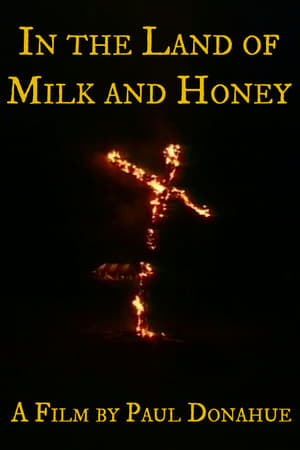
On June 21 2007, the Howard Federal Government launched an intervention into Aboriginal communities in the Northern Territory. It was one of the most dramatic policy shifts in the history of Aboriginal affairs. Relentless media attention focuses on ideological arguments for and against the Intervention, while the voices of those affected by the policy are rarely heard. For this film more than 40 Alice Springs town camp residents were interviewed in depth over the course of eight months to find out the answer to the question - is it working?
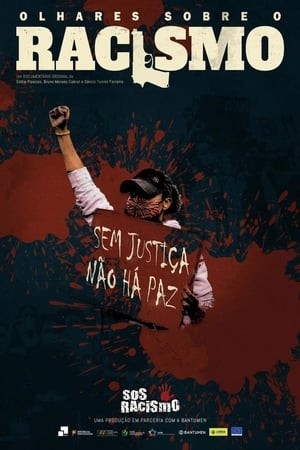
The film marks the 30th anniversary of the SOS Racismo Movement and gives voice to participants in the debate on racial issues in Portugal, bringing together multiple testimonies from racialized, black, gypsy, and migrant communities, as well as contributions from various figures in social and political mobilization, reflecting the intersectionality, diversity, and transversality of the various fronts in the fight against racism. As a tool for debate, mobilization, and awareness-raising in the fight against racism, this documentary aims to contribute to the development of effective political responses to racial discrimination.
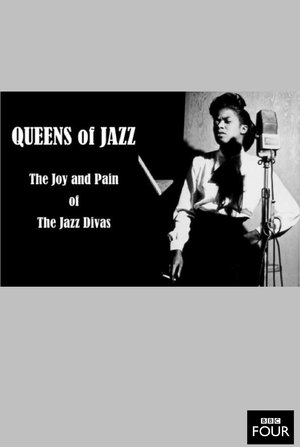
The documentary tracks the diva's difficult progress as she emerges from the tough, testosterone-fuelled world of the big bands of the 30s and 40s, to fill nightclubs and saloons across the US in the 50s and early 60s as a force in her own right. Looking at the lives and careers of six individual singers (Billie Holiday, Ella Fitzgerald, Peggy Lee, Sarah Vaughan, Nina Simone and Annie Ross), the film not only talks to those who knew and worked with these queens of jazz, but also to contemporary singers who sit on the shoulders of these trailblazing talents without having to endure the pain and hardship it took for them to make their highly individual voices heard above the prejudice of mid-century America.
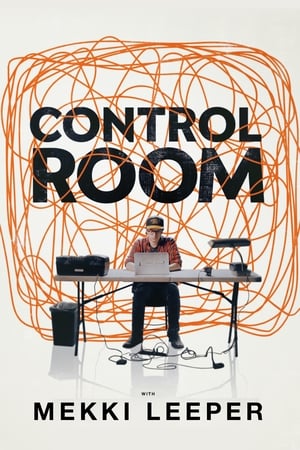
Using only $1,000 over the course of one week, comedian Mekki Leeper sets out to fabricate an absurd alternative medicine company and fool the world into thinking it’s real.
To mark his 21st anniversary in broadcasting, the commentator Darcus Howe picks up on his chosen topic for another piece of work; racism. However, when Howe came to England "racism" was something that all ethnic groups faced from white people and it bonded the community together. Now Howe travels to the Midlands and several other areas of England to find that racism is rife within the ethnic community. He interviews those within the West Indian, Indian, Pakistani and Somalis communities to find that they are split with hatred and racism views of one another bringing the communities to the boil.
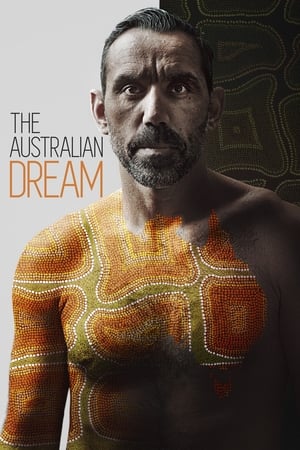
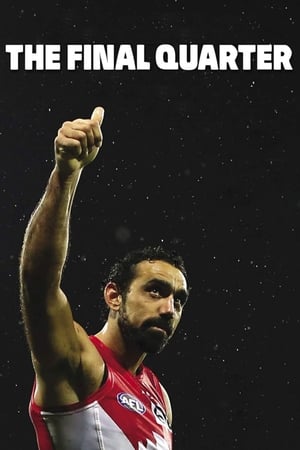
AFL legend Adam Goodes shares the story of his life and career to offer a deeper insight into race, identity, and belonging.
Australian documentary filmmaker Ian Darling re-examines the incidents that marked the final 3 years of Indigenous footballer Adam Goodes' playing career. Made entirely from archival footage, photos and interviews sourced from television, radio and newspapers, the film reviews the national conversation that took place over this period.
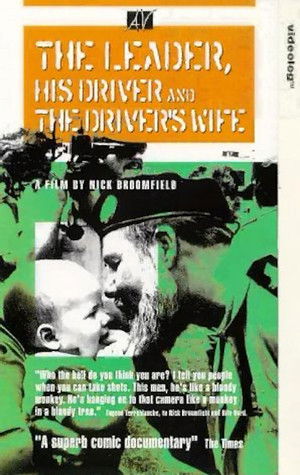
Nick Broomfield tries to interview Eugene Terre'Blanche, leader of the sinister neo-nazi AWB Afrikaner Party in South Africa. Cameras capture awkward interactions with skittish AWB supporters, combat training of militant youth, and the coveted interview itself. Broomfield's access to these events is made possible by the leader's driver, whose wavering allegiance to the movement is explored as well.
Filmmaker Chico Colvard investigates the propagation of demeaning representations of African-Americans. From industrial China to the rural American south to contemporary Brooklyn, we observe the people and places that reproduce, consume and reclaim BLACK MEMORABILIA. This feature documentary takes us on a journey into the material culture of racialized artifacts and confronts us with the incendiary features of these objects. BLACK MEMORABILIA also moves beyond perverse attractions and absolute objections to collectibles and antiques that serve as reminders of America's troubled racial history. In the midst of roiling ethnic unrest in the US today, the film's confrontation of our feelings about these objects strikes at the heart of a pressing contemporary issue and opens a unique dialogue about the continuing legacy of racism in America.
An oral history documentary of people of color at Miami University during its Public Ivy period—from 1970 to the early 2000s.
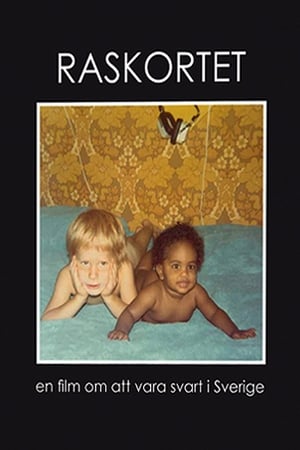
Raskortet
Investigates the reasons North Carolina, long seen as the most progressive state in the South, became home to the largest Klan organization in the country, with more members than all the other Southern states combined, during the 1960s.
Pour mes fils, mon silence est impossible
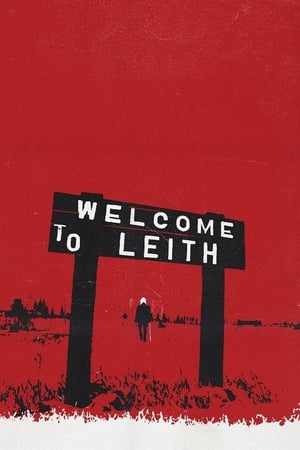
In September 2012, the tiny prairie town of Leith, North Dakota, sees its population of 24 grow by one. As the new resident's behavior becomes more threatening, tensions soar, and the residents desperately look for ways to expel their unwanted neighbor.
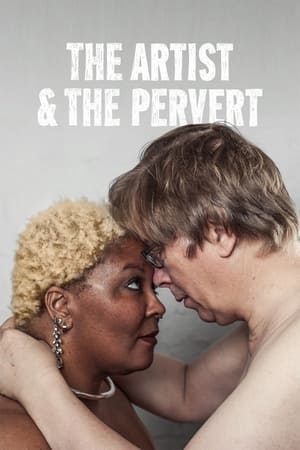
Composer Georg Friedrich Haas and African-American kink educator Mollena Lee Williams enter into a complicated relationship.
"Everybody should have a home. If you punish a nation, this is so abstract, it's very mean to use your power to put another country in your control... Instead of punishment, maybe we should have love." Eliane from Chile, Milad from Iran, and Georgia from Greece, three migrants in the UK and their thoughts on love, home, family, and Shakespeare's Romeo and Juliet.
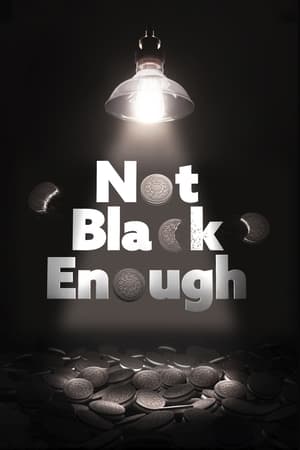
A deep look at the class warfare and the contradictions that African-Americans face within their own community when many of them are ostracized because they are “not black enough.” An analysis of the reasons behind these absurd acts of hatred.
Everton's painting, the focus of this documentary, expresses what is most real in man's life. In the eyes of this artist, humanity is revealed by the most sublime and also the most obscure aspects. The artist creates the possibility of the human being redeemed through self-evaluation. His painting is not intended to please, but to prod. She is like a revelation of the beautiful through the ugly.
A look at the rise of racism in modern football
Examines Pulaski, Tennessee, the town where the Ku Klux Klan was founded right after the Civil War, and where today its memory still runs very deep. Combining interviews with local residents, attendees at a Klan rally and counter demonstrators; historical photos; contemporary footage; scenes of a museum exhibit of the last-known original Klan robe; and a cross burning ceremony by the Klan; the video reveals Pulaski's historical and ongoing relationship to this controversial organization. We learn how Pulaski's citizens remember and reconcile the history of the Klan, how they continue to be divided about the organization's meaning and role, and how such history remains contested for Americans.