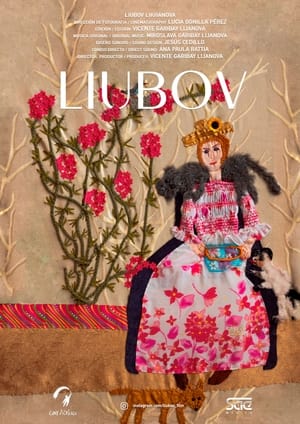
Liubov, a Russian lady who lives in Mexico City. During the routine of her day, Liubov will recall the experiences she had with death, from childhood to adulthood.
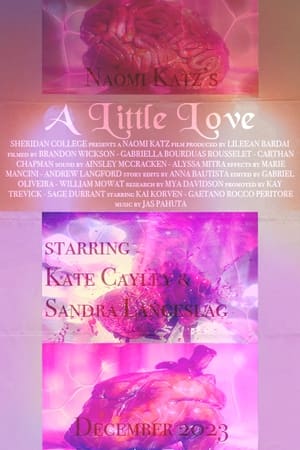
Through interspersed conversation and prose, this experimental documentary follows a poet and a neuroscientist as they explore the definition of love, what it means, and why it matters.
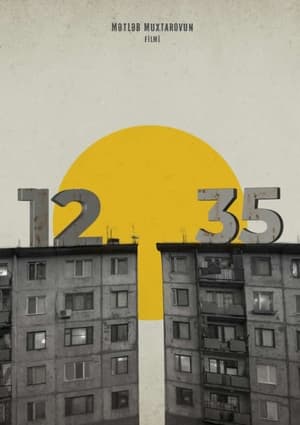
This film explores the lives of those men and the memories of those left behind: the childhoods they shared and the choices they made. These men, now in their 60s, reflect on what has happened to their generation, why most of their friends and relatives died so young and how this particular apartment block captures the story of a whole generation. The voices and lives of the departed are included in clips from amateur videos from the 1990s. Set against the background of old friends’ attempt to understand their deaths, this film is about nostalgia and how memories kindle a special kind of love for home.
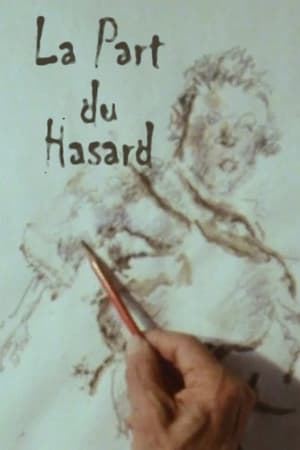
"The Role of Chance" ("La part du hasard") focuses exclusively on drawing and painting techniques used by the painter Henri Dimier. Shot over several weeks in the same artist's studio, the film shows works in their different phases, processes rarely explained or little known. It also addresses many practical issues (choice of paper, pigment grinding, reports drawings, put the tiles, cliches, etc) as well as broader questions of method and inspiration (use of space, the role of contours, power of suggestion perspectives, use of random processes). Patrick Bokanowski sought with this film to restore the spirit of this teaching, showing how to bend a note or sometimes revealing an essential mystery of creation.
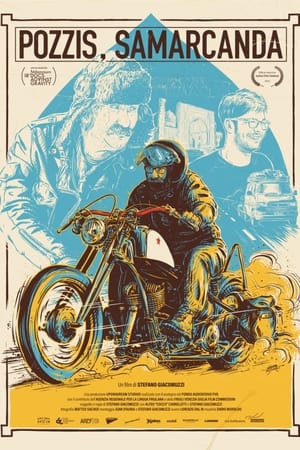
Cocco and Stefano are two unlikely friends bonded by a mutual goal: reach Samarkand from the mountains of Northeast Italy. Cocco is an old biker with a troubled past whose dream is to depart towards the East with his Harley-Davidson from ’39. Stefano is a young director who wants to make a film about the adventure and the story of his friend. Between the highs and lows of a quixotic trip, the challenge will reveal bigger than the two expected. Only through friendship, Cocco and Stefano will be able to reach their dreams.
Morada Nova - Viajamos pro Interior sem Passagem de Volta para Criar um Álbum
Fresh out of a long term, serious breakup, Lane Woods chooses to work through (read as: distract himself from) his feelings by making a documentary about his attempts to get back out there and find a new love. With the help of his younger brother, Colin, Lane films himself as he goes on countless dates, hoping to catch those first sparks of love on film, instead he ends up documenting something much closer to reality.
Con Traje y Sin Zapatos
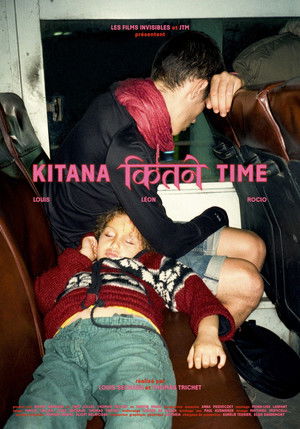
As we follow the wandering of a young father and his son through the Valley of Ganga, in India, we listen the issues which across the story of a couple: from the unexpected birth of their child and the joy of the beginnings to their common decision to separate.
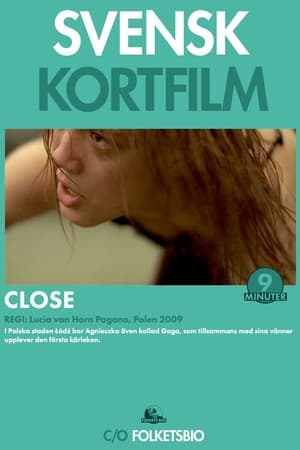
Agniezska and her friends discover love for the first time.
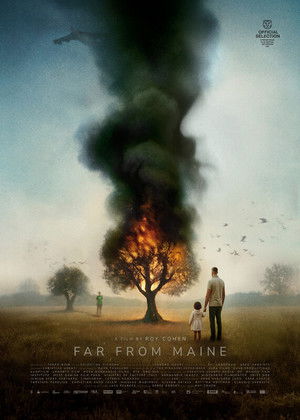
Haunted by the killing by Israeli police of a Palestinian friend from his youth, an Israeli queer filmmaker embarks on a cinematic dialogue across time — confronting memory, friendship, and the genocide unfolding today. In this intimate cinematic letter, Israeli filmmaker Roy Cohen addresses his Palestinian friend and fellow peace activist Aseel Aslih, who was murdered by Israeli police in their youth. Cohen tells Aslih of his experiences navigating a growingly genocidal society and seeks Aslih’s moral clarity and resilience in the evocative letters he had written as a teenager.
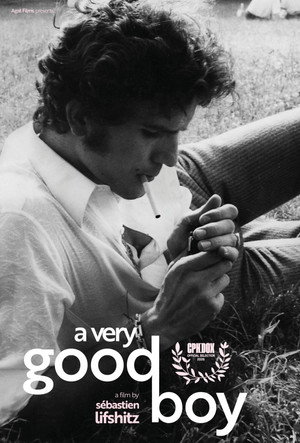
From his childhood in a modest family in the Pyrénées to his unexpected career as a porn actor in the 1970s, the film traces the life of Claude Loir, who set out to fully embrace life. His homosexuality and curiosity guide him through encounters that lead into the shadowy, liberated circles of a pre-AIDS era, caught between conservatism and sexual freedom. Loves and lovers, flamboyance and fragility… the film offers a striking portrait of a fearless, hedonistic man navigating desire, identity, and society’s constraints.
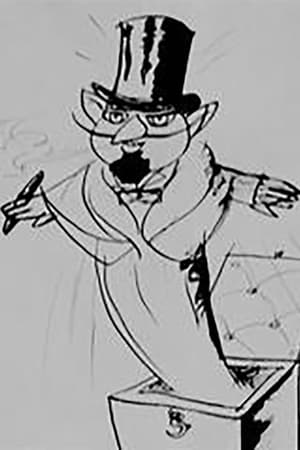
Paul Grimault, image par image
Drôle d'oiseau
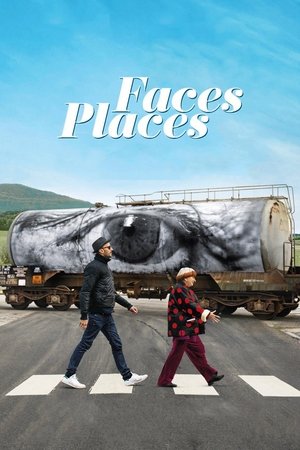
Director Agnès Varda and photographer/muralist JR journey through rural France and form an unlikely friendship.
朱黃
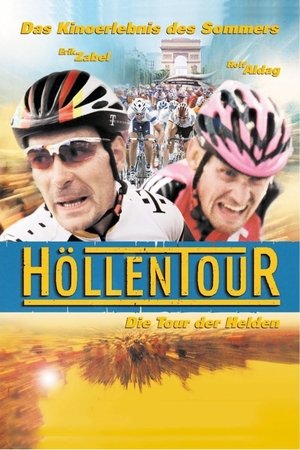
Year after year hundreds of thousands of fans line the route of the Tour de France, cheering on their heroes and willing them to victory, while millions of viewers worldwide tune in on their televisions. Academy Award-winning director Pepe Danquart, fascinated by the spectacle of the three week race, chose to focus on the courage, the pain and the fear of the riders of the Tour. Training his lens on German superstar sprinter Eric Zabel and his loyal domestique Rolf Aldag, Danquart captures the thrill of the race and the teamwork behind the stars of the peleton. He also shines light on the Tour's supporting cast - the director sportifs, masseurs, and, of course, the wildly enthusiastic fans. Reveling in the stunning landscape - from the Alps to the Pyrenees to the Massif Central to Paris - and with a nice dollop of Le Tour's history, HELL ON WHEELS transcends the sport it celebrates to reveal an astonishing human endeavor.
An experimental journey through a year in the life of the director, using his always playing playlist to cross the boundaries of fiction and documentary. Through scenes of both comedy and tragedy, realistic documentary footage and experimental sequences of the director's environment and daily life we get a sometimes estranging image of a young man and also an intriguing insight in his mindset and how this translates to the imagery on screen.
ZAAD tells the autobiographical story of Dries Meddens. After the death of his mother, the care for Dries' bipolar father falls on his plate. He discovers how crudely and ruthlessly society and psychiatry treat patients. His father eventually dies in solitary confinement. While emptying his parent’s home, Dries discovers an old letter from his grandfather. The man appears to have led a busy, productive life. He is the founder of an internationally renowned seed breeding company and still has time to paint, write diaries and conduct intensive correspondence. Dries finds similarities between his grandfather, his father and himself. Slowly the fear grows that his father's psychiatric illness might be hereditary. Strolling through the family’s film and photo archives, with dramatic and sometimes hilarious finds, Dries tries to find answers. He also consults a psychiatrist. Together the consultations and reviewing of his archival material help Dries look at bipolarity with new eyes.
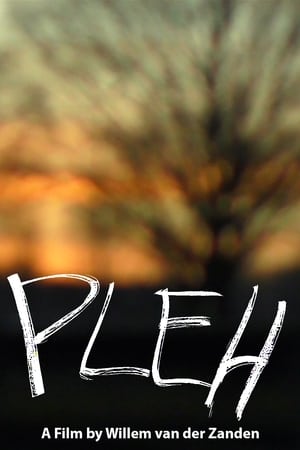
An evil little film.