In 1909, in an undemocratic Sweden, a bastard child is born and given the name of Hervor. Her mother is unmarried, due to which she is called a "whore' and is driven from her home. Hervor grows up at shelters and orphanages, unwanted, rejected by society. As an adult she spends her life struggling for social justice. In old age she tells us her story. Director Knutte Wester brings his grandmother's memories to life thought hand-painted animated images and has us witness someone being rejected in order to unite others. A story that all too often still repeating itself.
A poignant insight into the world of sport, where talent, passion and endurance mean everything, but give no guarantee of success.
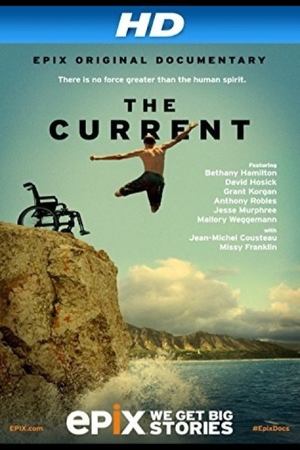
The story of individuals from all walks of life that have faced incredible obstacles, found the drive to overcome their disabilities, and have through water sports become real everyday heroes.
Virginia, a young and adventurous woman, travels from England to Sydney, Australia, in search of her Australian ancestors.
Faire des vagues
A film about three teenagers - Klara, Mina and Tanutscha - from the Berlin district of Kreuzberg. The trio have known each other since Kindergarten and have plenty in common. The three 15-year-olds are the best of friends; they are spending the summer at Prinzenbad, a large open-air swimming pool at the heart of the district where they live. They're feeling pretty grown up, and are convinced they've now left their childhood behind.
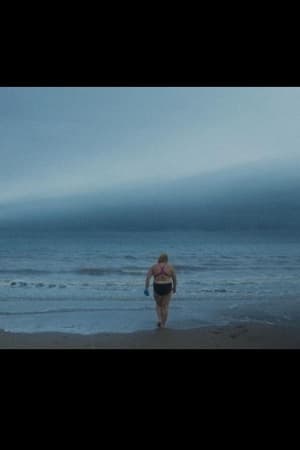
Cold Refuge is about the physical, psychological, and spiritual aspects of full immersion in the natural world: how, though it may seem counter-intuitive, swimming in cold water helps mitigate some of life’s most serious challenges. The film’s diverse film subjects include a wheelchair-bound, paralyzed swimmer who faces fear by diving off a high pier; a Black man who was told by whites when he was 13 that “Black people don’t swim” (it took him 30 years to try); a blind man who tethers himself to a sighted swimmer; a woman with aggressive breast cancer who “swims to chemo;” a lawyer who reduces courtroom stress in the open water; and a young woman who communes with her late mother in San Francisco Bay, where they both swam together. Along with swimmers’ stories of adversity and resilience, the film’s marine mammals, birds, artwork, and a variety of open-water locations create a visual meditation on what it means to escape our abstract digital world in favor of what’s real.
A film about the cultural evolution of the Sydney beach side suburb of Maroubra and the social struggle faced by it's youth - the notorious surf gang known as the Bra Boys.
Originally broadcast on ABC's True Stories in 1993, Feed Them to the Cannibals tells the story of Sydney's Gay and Lesbian Mardi Gras. It was the first time cameras were allowed at Sleaze Ball and the Mardi Gras Party.
A visual journey into the life and legacy of one of Australia's most celebrated artists, Brett Whiteley.
The Untold Story of the Suffragists of Newfoundland (1999) is a docu-drama celebrating the thirty year struggle by the women of Newfoundland to win the right to vote.
An anthology of award winning short films, this feature show cases an international cast and crew, shooting all over New South Wales, telling all kinds of stories.
A 3-minute tribute to the late Mac Miller.
Short film showing Ragnhild Hveger and 'Little Ravishing Inge' Sørensen in a little more intimate setting than normal. Gunnar 'Nu' Hansen interviewing the two girls 'glorious' show.
Swimming, Dancing examines audiovisual representations of the Yangtze (1934–present), from silent film to video art to the contemporary vlog. Inspired by the city symphonies of the 1920s, Swimming, Dancing pieces together a “river symphony”, evoking the images, sounds and contradictions that make up the river’s turbulent history.
A documentary covering the 2000 Olympic Games in Sydney.
Green Valley was a housing commission estate in western Sydney, much maligned by the media of the day. The residents were hurt by the criticism but lacked access to the media to respond. Supplied with equipment by Film Australia, they used this film to present a different image of themselves and their daily lives. In so doing, they answered the question of "Whatever happened to Green Valley?" The core of this film is the work of half a dozen residents, co-ordinated by acclaimed filmmaker Peter Weir in one of his earliest film projects. Weir also acts as the moderator at a public forum that is included in the film.
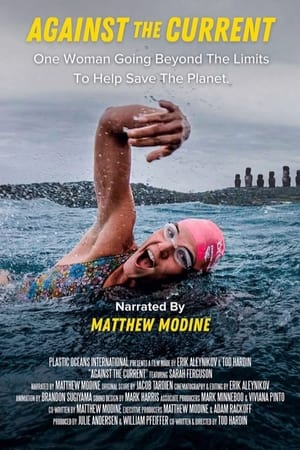
Against the Current is a feature-length documentary that chronicles the journey of South African endurance swimmer Sarah Ferguson, as she attempts to become the first person ever to swim around Easter Island (Rapa Nui) non-stop. It tells the story of a global team united, not only in trying to make Sarah’s 40-mile challenge a success, but also in using it to raise awareness about the issue of plastic pollution. Without being able to touch a boat or another person, her daunting swim was estimated to take up to 32 hours to complete, through strong currents, large waves, powerful winds and other hurdles along the way. Against the Current is now screening at film festivals.
Three women, three men, all very high level athletes, Olympic medalists, world champions in basketball, judo, rugby, fencing, swimming and figure skating have agreed to testify in a documentary. For the first time, they publicly reveal their homosexuality.
The film provides a comprehensive guide on snorkeling skills and rescue techniques, emphasizing the importance of proper equipment such as masks, snorkels, and fins. It discusses how to choose the right mask for comfort and fit, the proper use of snorkels, and techniques for clearing water from both masks and snorkels. The film also covers essential skills for entering the water safely, practicing buddy systems during snorkeling, and techniques for locating and rescuing submerged victims. It highlights the need for training and emphasizes that while these skills are crucial for rescue, they do not replace the need for a full certified course in skin diving.