Yu Xiuhua was raised to hope for little from her life in the rural Chinese province of Hubei. At 19, Xiuhua’s mother encouraged her to marry a man nearly twice her age, fearful no one else would accept a wife with Xiuhua’s condition — cerebral palsy. But as her 20th anniversary approaches, Xiuhua’s poetry goes viral, and she becomes the voice of a rising feminist movement throughout China.
Documentary about the making of ’Spring Break Zombie Massacre.’
Altergo : trois histoires, une victoire
The battle for accessibility in New York City Transit told by those fighting it. Less than a quarter of stations in the city's sprawling subway system are accessible to people with disabilities and those that need elevators. This film takes you on the frontlines of the disability rights movement featuring the perspectives of activists, local and state legislators, transit advocates and MTA officials.
Faced with a traumatic injury that renders you permanently disabled; how would you reinvent yourself? Full Circle tells the story of Trevor Kennison and Barry Corbet’s shared resiliency and refusal to let their passion for life be limited by Spinal Cord Injury. It is an unblinking examination of the challenges of Spinal Cord Injury, and a celebration of the growth that such tragedy can catalyze.
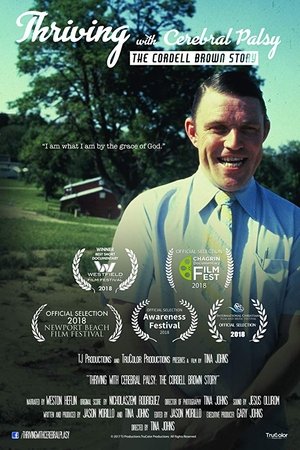
A young man born with Cerebral Palsy battles a paralyzed left hand, bullies and stereotypes about the disabled to defy the odds and make it as a rock and roll guitarist. Ultimately, sharing the stage with the very band that inspired him to start (or to achieve the impossible).
Sign The Show: Deaf Culture, Access and Entertainment is a feature-length documentary providing insight into Deaf culture and the quest for access to entertainment. It brings together entertainers, the Deaf and Hard of Hearing (HOH) community, and American Sign Language interpreters to discuss accessibility at live performances in a humorous, heartfelt, and insightful way.
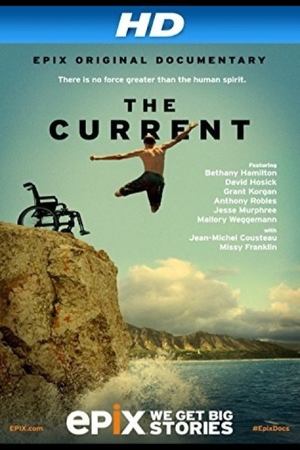
The story of individuals from all walks of life that have faced incredible obstacles, found the drive to overcome their disabilities, and have through water sports become real everyday heroes.
Segregation, abandonment, and the meaning of home are discussed by the people that lived in, worked at, and crusaded for one of the largest and oldest Intellectual and Developmental Disability Institutions in the United States. The facility, in its closing, challenged society's perception of those with intellectual disabilities and ultimately fought for better rights.
Documentary about cartoonist John Callahan and the creation of his animated series Quads!
Adam Pearson - who has neurofibromatosis type 1 - is on a mission to explore disability hate crime: to find out why it goes under-reported, under-recorded and under people's radar.
Madeline Stuart is a fashion celebrity who has walked the runway at the New York Fashion Week, has 700 000+ followers on Facebook and is covered by international media world wide. This documentary follows Madeline on her journey to becoming the world's first professional supermodel with Down syndrome, challenging our perception of identity, beauty and disability.
When filmmaker Yoshifumi Tsubota learns about his slightly autistic uncle who lives alone, he decides to visit him. Drawn to his uncle’s unique personality, he begins to roll his camera as he visits him over the years. Tsubota himself had been diagnosed with a developmental disability and so understanding his uncle is also an act of understanding himself. Through intimate and personal footage, this charming film is gem of a documentary that also highlights contemporary social issues surrounding aging and social care for the disabled.
As Daniel Radcliffe's stunt double in the Harry Potter films, David Holmes' work has been seen worldwide by millions of people. Tragically an on-set accident ended what David calls "the best job in the world," leaving him paralyzed. Like the on-screen character he helped bring to life, David is determined to continue seeking adventure and living life to the fullest despite mounting obstacles.
Ava
As the AIDS epidemic was spreading in 1987, the Swedish government commissioned Roy Andersson to make an educational film about the disease. In these twenty or so monotone scenes, Andersson criticizes the medical community for its dehumanizing and racist tendencies when researching HIV and AIDS.
We all share the same kind of brain yet everybody has a different view of the world around us. As a very intriguing example, Carlotta vividly explains how a world without faces does look like. She suffers from the miswiring of a tiny brain region that makes it impossible for her to see and remember faces as a complete construct, called prosopagnosia or face blindness.
A look into the life of Brett, a boy born without arms due to thalidomide exposure.
A group of friends with Down Syndrome have been attending the same school for 40 years, and they are tired of being treated like children, they are grown-ups and want to live as such.
Crownsville Hospital: From Lunacy to Legacy is a feature-length documentary film highlighting the history of the Crownsville State Mental Hospital in Crownsville, MD.