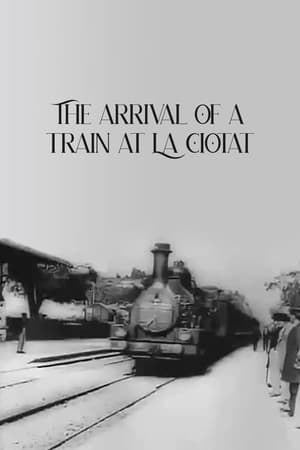
A group of people are standing along the platform of a railway station in La Ciotat, waiting for a train. One is seen coming, at some distance, and eventually stops at the platform. Doors of the railway-cars open and attendants help passengers off and on. Popular legend has it that, when this film was shown, the first-night audience fled the café in terror, fearing being run over by the "approaching" train. This legend has since been identified as promotional embellishment, though there is evidence to suggest that people were astounded at the capabilities of the Lumières' cinématographe.
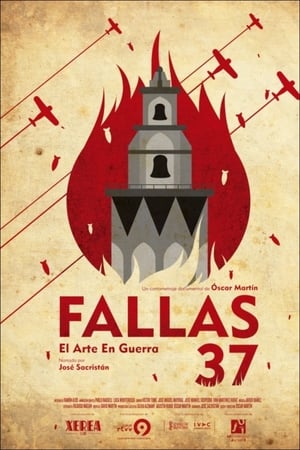
In November 1936, a few months since the beginning of the Spanish Civil War, the government of the Second Republic moves to Valencia. In this situation, several Valencian artists and intellectuals decide to build four fallas — satirical plasterboard sculptures created to be burnt — to mock fascism.
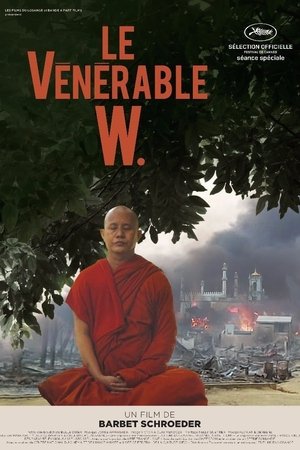
A view of the religious tensions between Muslims and Buddhist through the portrait of the Buddhist monk Ashin Wirathu, leader of anti-Muslim movement in Myanmar.
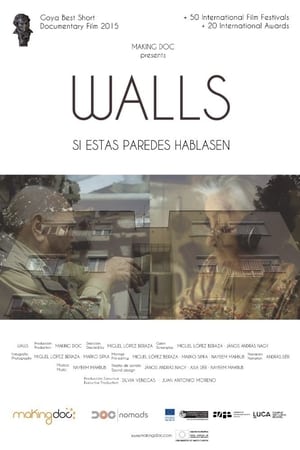
A day in the life of Mr. Istvan and Ms. Magdi, neighbors for many years, is narrated by the building of Budapest where both live. The walls surrounding them reveal their small passions, stories and routines.
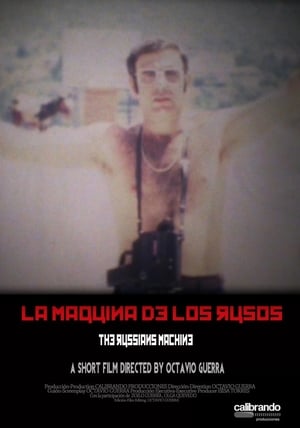
The Russians Machine
Rolf and Susanne visit an indoor swimming pool. They learn how to buy tickets at the ticket office, how to find and use the changing rooms and showers and how to behave correctly in the pools for swimmers and non-swimmers.
How can children communicate with other road users as pedestrians and cyclists? A pantomime also explains sign language.
Two boys aged 9 and 10, Jan and Christoph, want to visit their grandma, who lives in another town. They travel by train, on their own. They buy their tickets, find the right platform and get on the right train. And they know how to behave on the train. So, as expected, the train trip to Grandma's is a safe affair and great fun for the boys.
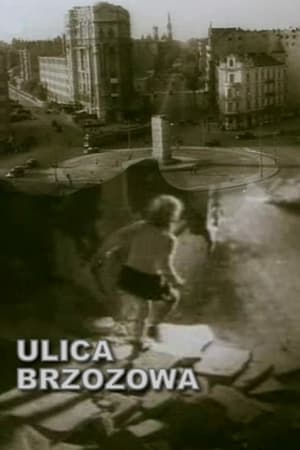
Battered Warsaw is getting back to life after the WW2 destruction. The ruins of the Old Town become homes once again.
Short documentary on Poland's first steam locomotive.
A miniature parable about a young boy who misunderstands the function of a bird feeder.
A short lyrical document about an ancient Oriental discipline, this film moves from the streets of China, where the people practice Tai-Chi daily, to North America, where the same movements are executed by a solitary figure in a park.
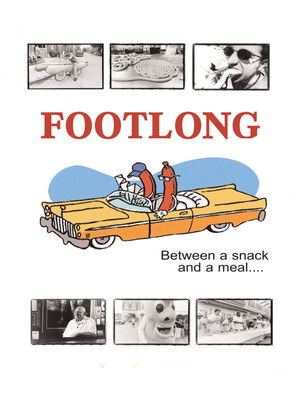
A documentary about the social impact of the hot dog on American Culture. Follow the crew as they travel across the country to explore the many facets of hot dog culture. 'To understand a bike, you look at the wheels. To understand a wall, you look at each brick. And to understand America, you must look at the hot dog."
Paul Fierlinger's unique animation captures five individuals from diverse backgrounds as they describe their bouts with loneliness, its challenges and benefits.
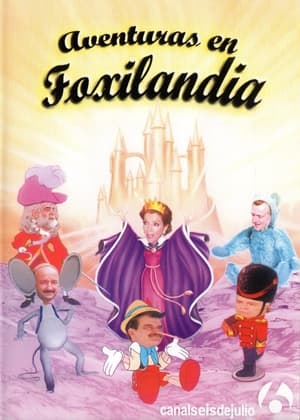
Based on careful research, this documentary touches on the most striking aspects of Foxilandia, the management of President Vicente Fox, and dissects this national tragicomedy from the political, economic and social points of view.
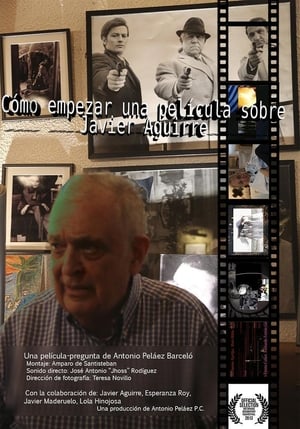
Cómo empezar una película sobre Javier Aguirre
Documentary - Short Film
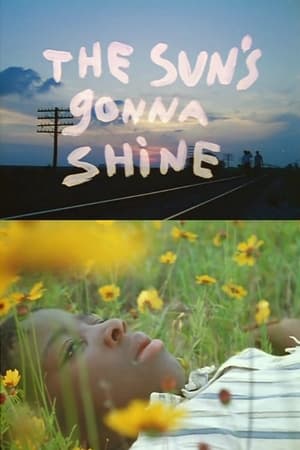
A lyrical recreation of Lightnin’ Hopkins’ decision at age eight to stop chopping cotton and start singing for a living. Preserved by the Academy Film Archive in 2013.
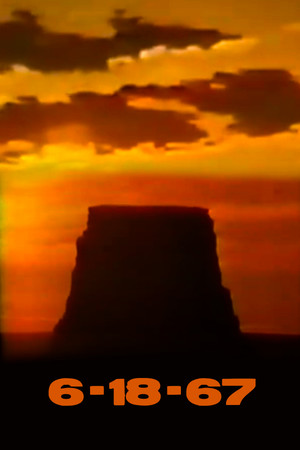
Filmed during the production of the Columbia Pictures western "Mackenna’s Gold," this short work presents a non-narrative visual study of the Arizona desert. Rather than documenting the film set itself, "6-18-67" assembles landscape images, time-lapse photography, and ambient sound into an abstract record of place and duration.
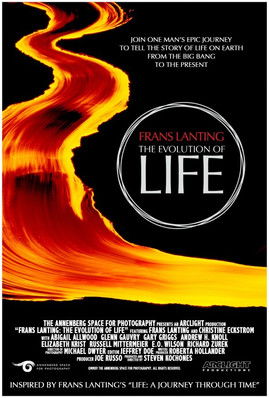
A dazzling journey through time via the remarkable images of National Geographic photographer Frans Lanting and his epic "LIFE" project, which presents a stunning interpretation of life on Earth, from the Big Bang through the present.